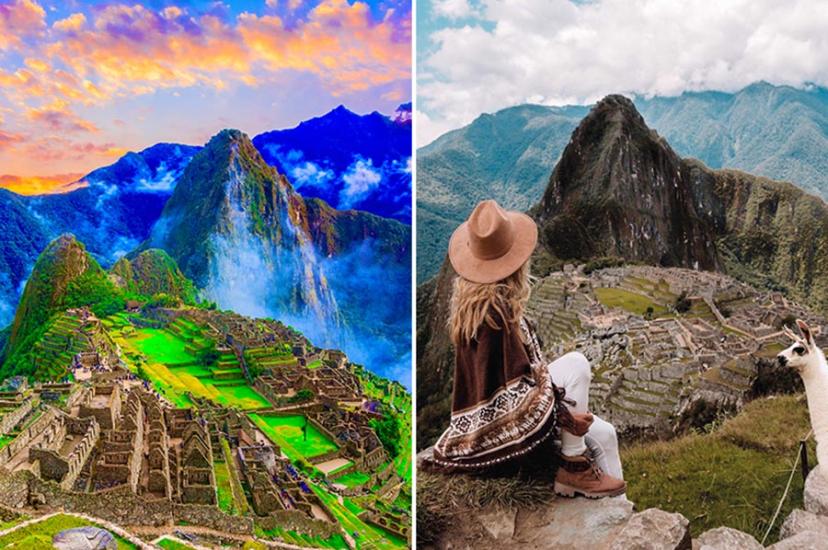
With the rise of social media over the last decade, consumers increasingly use it to discover, research and plan their next getaway, and decide who they’re going to book it with.
Whether it be in brochures, TV ads or on social media, picture-perfect content that makes the sea look that bit bluer, the pool look that bit bigger and the hotel rooms look like they had a fresh lick of paint yesterday has been used to influence consumers to book.
Holidays have always been sold to every consumer by showing them exactly that: picture perfection. The reign of picture-perfection continued well into the social media timeline. In 2018, you couldn’t scroll for 30 seconds on Instagram without seeing your favourite influencer post their pool snaps overlooking Santorini (you know the ones).
At first, travel providers were at home… “we can post our picture-perfection content here too”. And it worked… for a while. But the world is changing, and social media is no exception.
Social media use is at an all-time high, with one estimate putting the average internet user as spending two hours and 32 minutes scrolling a day, but, with the rise of fake news, AI-generated content and filter-edited content, consumer scepticism has increased too.
This is a major problem. Trust is key to purchase decisions. Picture-perfect content has become false advertising.
One of the biggest frustrations for travellers is when a trip doesn’t live up to expectations. So much so that the Expectation VS Reality trend currently has over five billion posts across Instagram and TikTok.
Picture-perfection isn’t what people want or trust any more; they want reality.
Remember, consumers know if it looks too good to be true, it probably is. Authenticity is about being genuine, transparent and relatable. By using these tips, you’ll engage your audience, foster trust and ultimately drive bookings.