In business, having a great idea is just the first step. The challenge is putting the right strategy in place to deliver and implement the idea.
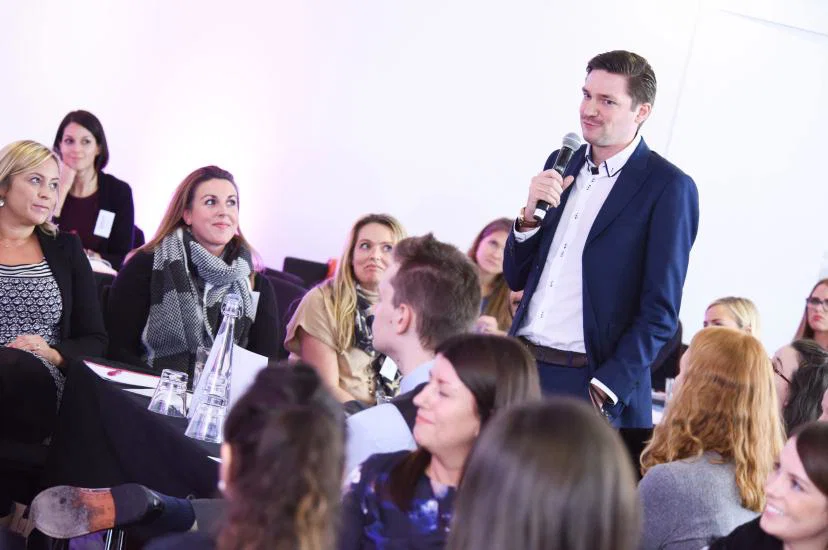
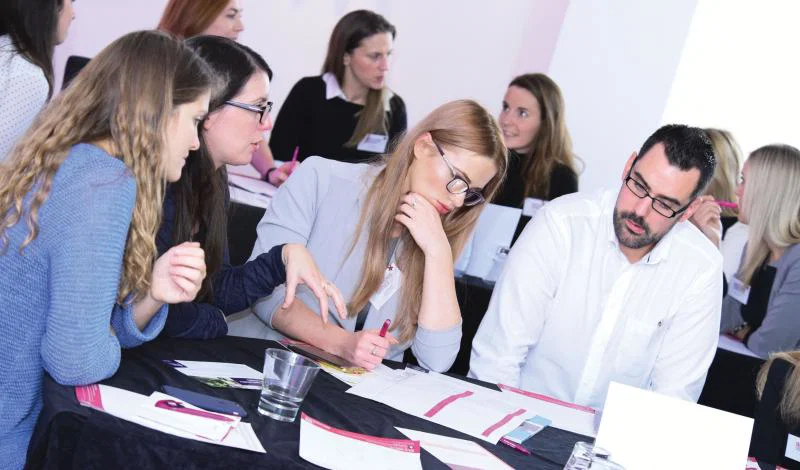
This was the concept behind the “Making Things Happen” workshop at TTG’s recent Tomorrow’s Travel Leaders Conference, focusing on how companies and entrepreneurs can turn good ideas into reality.
The session was chaired by TTG editor Pippa Jacks and welcomed Dermot Blastland, former UK managing director at Tui Travel; Gaby Marcon, director, Shine People & Places; and Steve King, chief executive, Black Swan.
Speaking from personal experience, the panel shared tips about how to take a good idea and bring it successfully to fruition, and warned of the pitfalls that can derail a good idea.
“Don’t kill an idea by over-interrogating it,” warned Blastland, now a non-executive director of Loveholidays and investor in several start-ups.
In terms of getting approval of an idea from above, he described a useful “BBC” test, standing for “bigger, better or cheaper”. Any ideas that save a company money, or make it better without costing any money, shouldn’t need approval, he suggested.
Blastland also pointed out that an idea doesn’t necessarily have to be original, and that some of the best ideas are taken from existing concepts but add extra value.
King, whose business Black Swan uses artificial intelligence to predict human behaviour, said ideas often involve taking a huge risk, especially financially. He suggested the key to success was timing, warning that if an idea was ahead of its time it can fail. Other businesses will then learn from any mistakes to create a better model.
Business coach and adviser Marcon said that “not owning an idea” and “lack of strong leadership” can stop it turning into a profitable venture. “Be clear about what you’re trying to achieve and determine whether there is a real necessity for it,” she urged.
Marcon also advised businesses and entrepreneurs to go over the figures carefully, as often they don’t add up, and to make sure there are enough resources, such as time, skills and money, to put the plan into practice.