






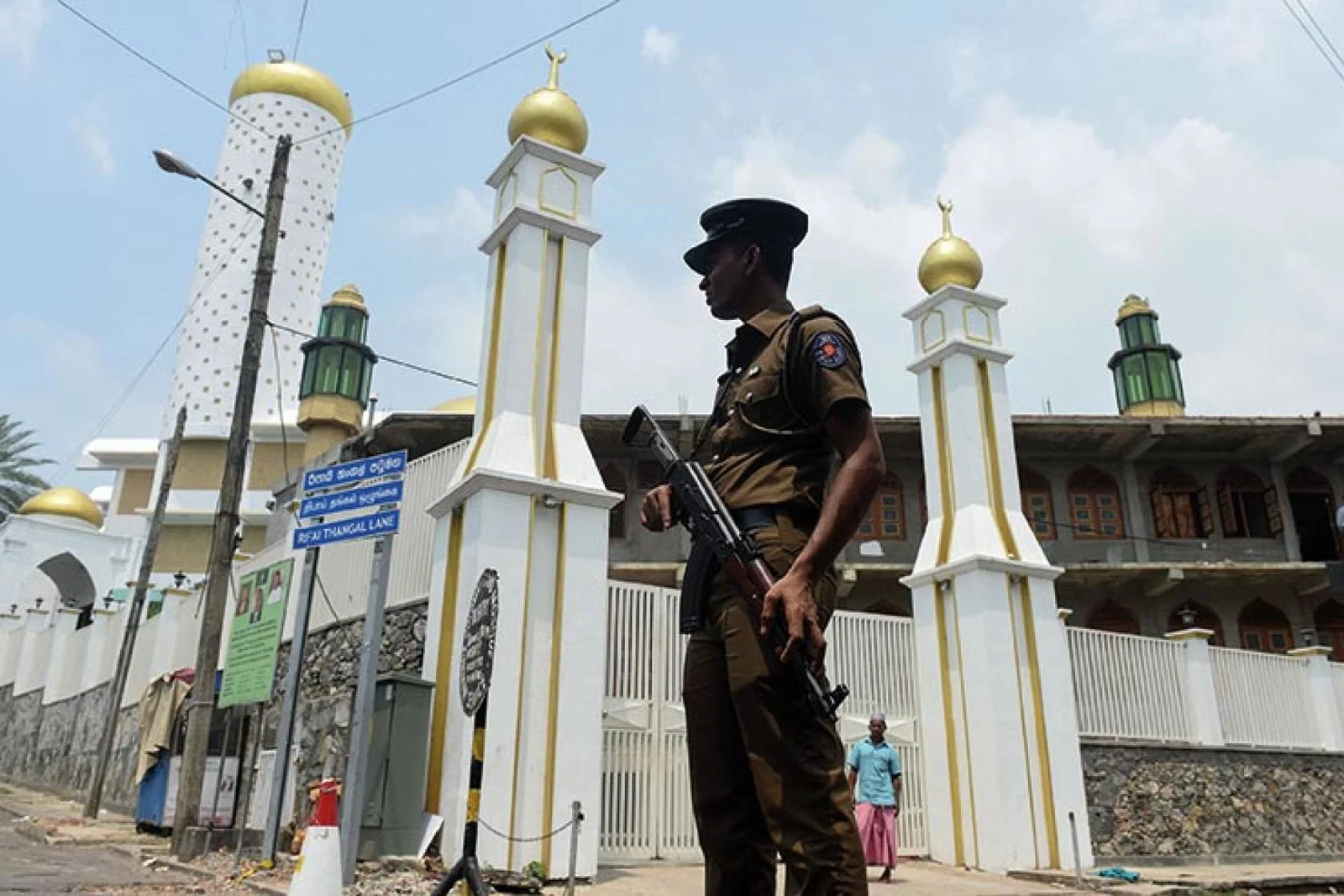
A state of emergency was declared on March 6 following anti-Muslim violence, in which mosques and businesses were targeted.
While this state of emergency is expected to end this week, Prime Minister Ranil Wickremesinghe said the skirmishing on the outskirts of the city had delivered tourism “a great blow”.
Civil war raged in Sri Lanka for more than 25 years but since hostilities ceased in 2009, the country has become an increasingly popular tourist destination. However, the recent violence comes as an unwelcome reminder of the country’s troubled past.
Curfews were enforced and the authorities temporarily shut down social media and other messaging platforms.
Some road and rail travel was also disrupted, but the capital Columbo’s Bandaranaike International airport has been operating as normal.
Nick Clark, head of travel at Experience Travel Group, said the Aito operator had kept a close eye on the situation: “It’s calmed down a lot now,” he explained.
"We had five or six groups there and we spoke to them all. Our main role was speaking to clients about to travel calling us to find out what was going on. People should not be put off.”
Hari Daggubaty, sales manager at TransIndus, added: “The situation has become quieter. There is some increased security though where the violence was.
“Our local office has been checking in with our clients every six hours or so. We would say there is no reason not to travel to Sri Lanka at the moment.
“Travellers are a little wary because it has been on the news. We have had people calling us to ask what the situation is in the country before they book.”
