







The vast majority (95%) of respondents to a recent TTG survey of UK travel professionals said they believe agents who skip events without sufficient notice should be financially penalised, with almost two-thirds (63%) saying transgressors should be blacklisted altogether.
Event organisers say no-shows can be devastating for businesses, pointing to the immense time, effort, and resources required to host these gatherings.
With some arguing the issue is “only getting worse”, monetary penalties have now been proposed as a deterrent for unexplained absenteeism. But not everyone believes fines are the right solution.
Several disability advocates have concerns about the unintended consequences of charging no-shows, with many arguing the policy will create extra barriers to an already marginalised community.
“A blanket fine on event no-shows would be a significant step back in terms of diversity, equity and inclusion for the travel industry,” Allie Mason, an autistic author and advocate for neurodivergent travellers, told TTG.
“As a neurodivergent professional with Ehlers-Danlos Syndrome, even with the best will in the world, I can't guarantee I'll wake up well enough on the day of an event to attend. My capacity fluctuates day-to-day, so the introduction of a fine for not attending an event would be enough for me not to sign up in the first place.”
Mason, who was named on the 2025 TTG 30 Under 30 list, went on: “We don't need more barriers to access. There has to be a better solution that doesn't penalise the disabled community for something that's ultimately out of their control.”
This sentiment was echoed by Jasmine West of World Accessible Holidays. The Somerset native, who lives with spinal muscular atrophy, highlighted how disabled professionals are often forced to miss events due to unforeseen circumstances.

Jasmine West says there are many unconsidered factors which can prevent a disabled person from attending an event
“What happens if your carer suddenly goes off sick and you have no alternative support available? Or you become unwell yourself and simply aren’t physically able to attend?” she said.
“There are also so many other things that can be completely outside of your control, such as an unreliable accessible vehicle breaking down, public transport not having a ramp, the wheelchair space already being taken, the assistance at the train station not showing up.”
West added that while she “completely understands the frustration around no-shows”, there must be consideration for individual circumstances.
“For someone who is disabled, attending an event can require considerably more planning and coordination than it does for a non-disabled person,” she explained. “Even with the best preparation, there can be last-minute barriers that simply cannot be anticipated.”
Harry Wales of Travelosophers agrees with West, having had many of his own work journeys disrupted by unreliable infrastructure.
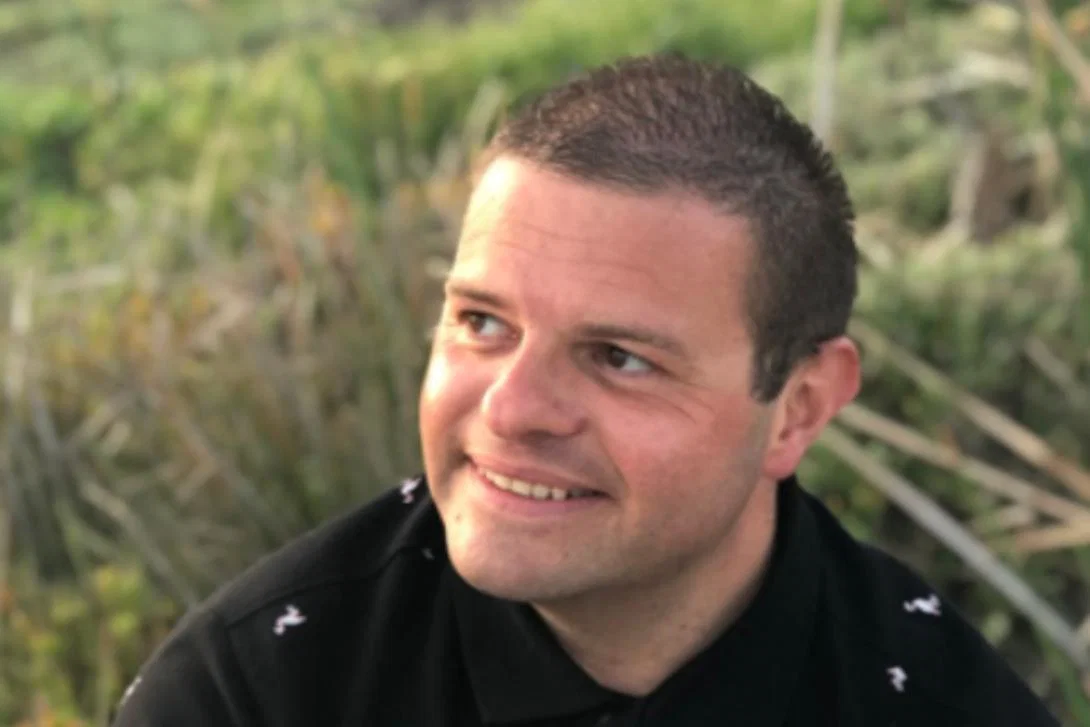
Harry Wales has had many journeys to events disrupted by unforseen circumstances
“I have travelled into London only to find that the lifts I need to use are unexpectedly out of service,” he said. “On another occasion, my mobility scooter has not worked as it should. I can plan my journey, leave plenty of time and do everything I possibly can to attend, but there can still be circumstances where getting to an event simply becomes impossible.”
A number of agents also told TTG that cancellation fines may even discourage them from accepting an invitation to an event.
“If I knew that registering for an event could potentially result in a financial penalty if my accessibility needs or circumstances unexpectedly prevented me from attending, I might simply decide not to register in the first place,” Wales said. “And that, in my view, would be a much bigger loss for our industry.”
These concerns were shared by Carrie-Ann Lightly, who has written extensively about her experience of travelling with cerebral palsy.
The Lake District-based accessibility consultant calls for a “fairer approach” to dealing with no-shows, such as “flexible cancellation policies and easier ways to alert organisers of short notice.”
Wales agrees, adding that “reminders and waitlists” could further help to reduce no-show rates. “You could also perhaps have a conversation with individuals who repeatedly fail to attend,” he suggested.
All of the agents and advocates stressed that they aren’t looking for special treatment – but simply a recognition that their circumstances may differ from other guests.
“I’m not asking for disabled agents to be exempt from the responsibility of cancelling where they can,” said Wales.
“I think we all have a responsibility to let organisers know as soon as we possibly can if we cannot attend. What I am asking for is some degree of understanding and flexibility when there is a genuine accessibility-related reason for a cancellation or no-show that was outside the agent’s control.”