







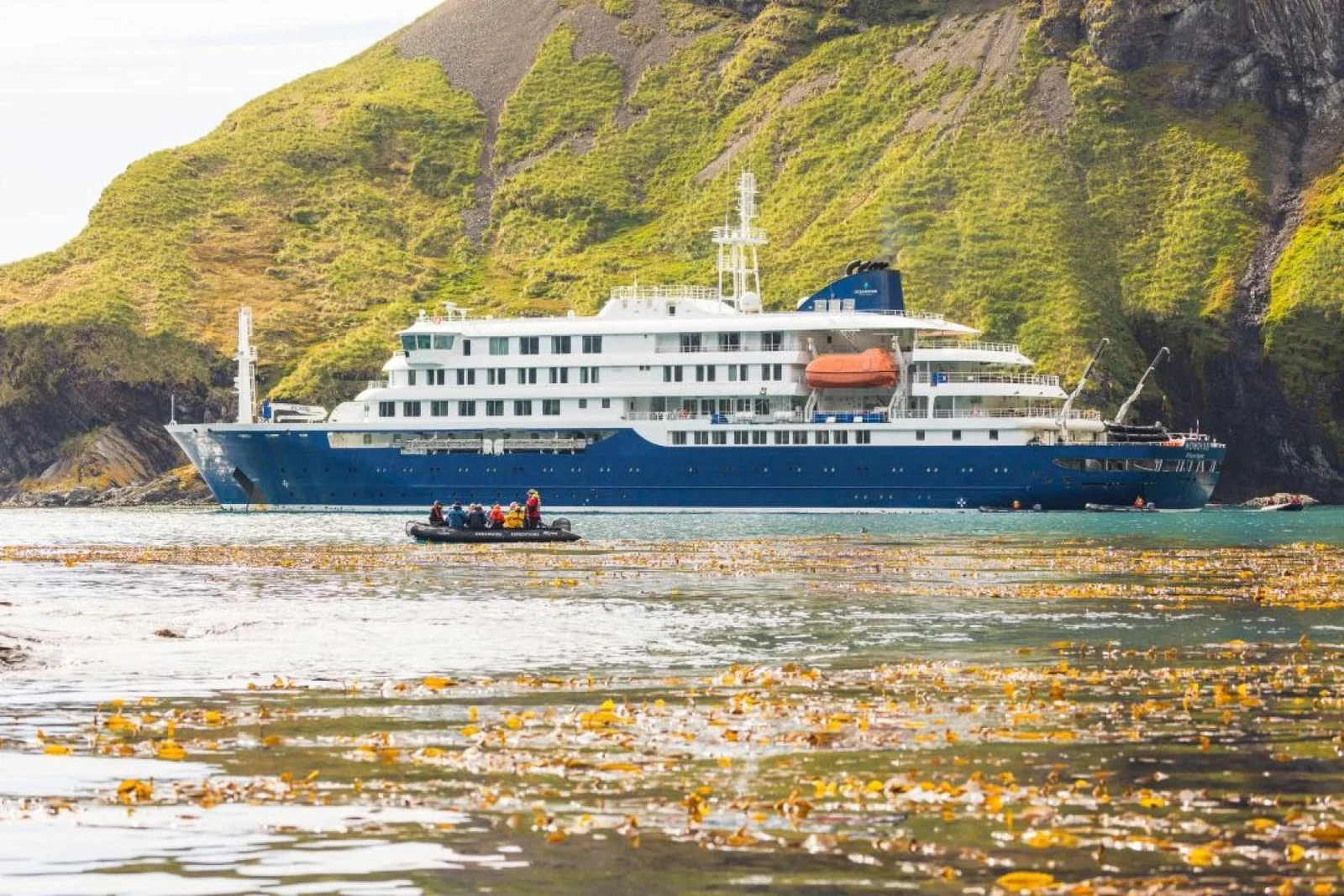
Around 150 people from 23 countries – including a reported 22 Britons – are on onboard MV Hondius, which is currently docked near Cape Verde. Three people who were onboard the ship, two Dutch nationals and a German national, have died.
According to the World Health Organisation (WHO), eight cases of hantavirus – three confirmed and five suspected – have so far been identified in people who were onboard the ship, operated by Oceanwide Expeditions.
Three individuals were evacuated on Wednesday morning (6 May) using specialised aircraft and are en route to the Netherlands for treatment, the WHO has confirmed.
The Dutch foreign ministry later confirmed this included one British national, the BBC reports. It said the patients would be transferred to specialist hospitals "in Europe" upon arrival.
In a statement, Oceanwide Expeditions said: "At this stage, the planned destination for Hondius is the Canary Islands. Oceanwide Expeditions remains in close and continual discussion with relevant authorities regarding our exact point of arrival, quarantine and screening procedures for all guests, and a precise timeline.
"We are unable to confirm the details of onward travel for guests at this stage. This is dependent on medical advice and the outcome of stringent screening procedures. Close cooperation continues with local and international authorities, including the WHO, the RIVM, relevant embassies and the Dutch Ministry of Foreign Affairs."
Cape Verdean officials declined to grant Hondius permission to dock in its country, leaving the vessel anchored nearby.
Canary Islands' response
Despite the Spanish government's decision to allow Hondius to sail to the Canaries, Fernando Clavijo, the president of the Canary Islands, told a Spanish radio station: "I can not allow [the boat] to enter the Canaries. This decision is not based on any technical criteria and nor have we been given enough information."
He added he was seeking an urgent meeting with Spanish prime minister Pedro Sanchez to discuss the matter, with the ship expected to dock in Tenerife.
Meanwhile, UK prime minister Keir Starmer posted on X (formerly Twitter): "We are working closely with international partners to support British nationals onboard and we're putting plans in place for their safe onward travel.
"The risk to the wider public remains very low – protecting the British people is our number one priority."
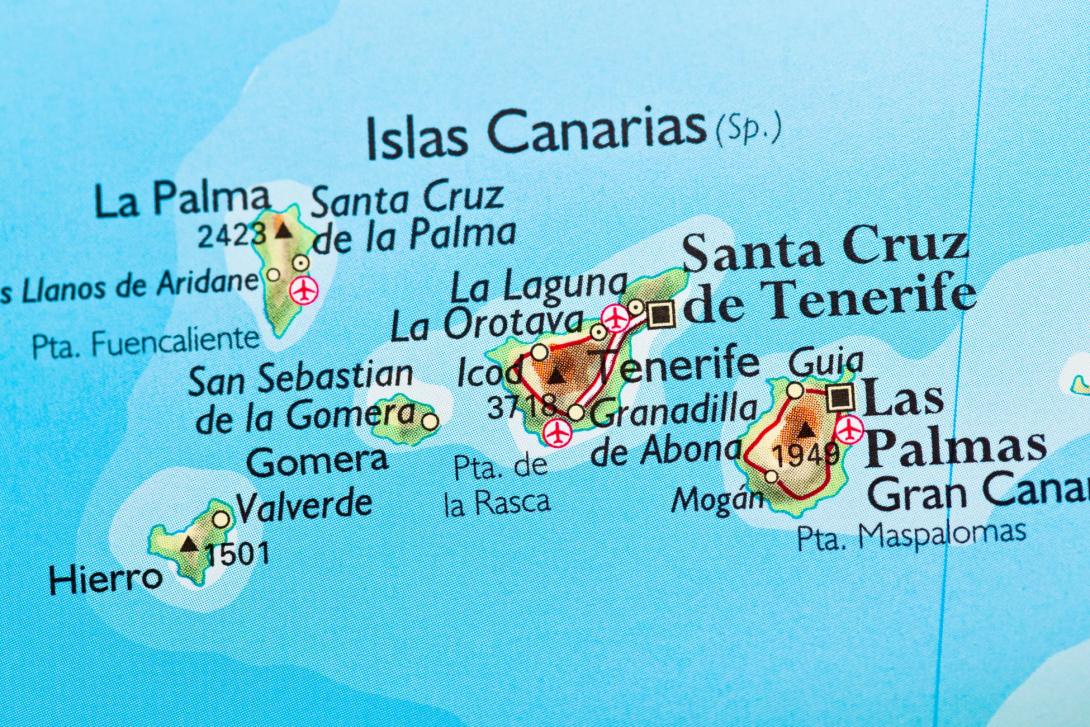
Oceanwide Expeditions' Hondius ship to set sail to the Canary Islands (Credit: iStock/ Pawel Gaul)
Hondius departed Ushuaia in Argentina on 1 April. A first passenger died on 11 April. Just under a fortnight later, on 24 April, the wife of the deceased passenger was flown from St Helena to Johannesburg where she died two days later.
A second sick man was flown to hospital on 27 April. On 2 May, another passenger died onboard the ship before it arrived in Cape Verde the following day.
South African health authorities have confirmed it identified a strain of hantavirus that can – in rare cases – spread among humans, according to Reuters.
Clia defends cruise industry
A Clia spokesperson stressed the global cruise industry follows "comprehensive health, sanitation and medical protocols" designed to protect the health and wellbeing of passengers and crew.
The Clia spokesperson added: "Clia-member cruise lines operate under strict requirements that include advanced cleaning and disinfection procedures, continuous monitoring for illness, and rapid response measures when health concerns arise. These protocols are informed by international public health guidance and are regularly reviewed and updated.
"Cruise ships are also subject to oversight and inspection by public health authorities in key jurisdictions, and Clia-member oceangoing cruise lines are required to operate with onboard medical facilities and trained personnel equipped to manage a wide range of health situations.
"As a result of these layered measures, available public health data indicates that rates of illness on cruise ships are low and, in many cases, lower than in comparable land-based settings."