





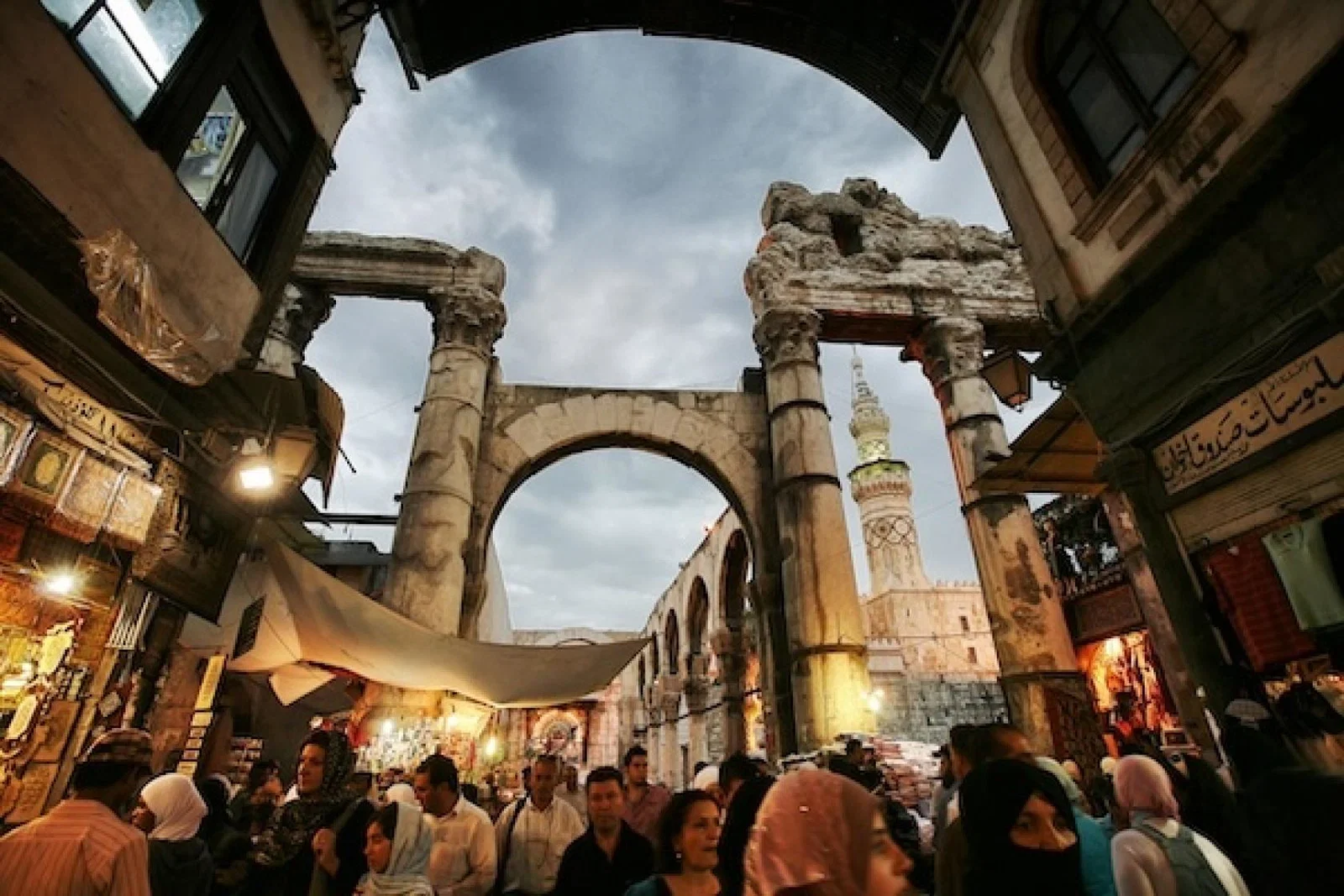
Fourteen years ago in March 2011, Syrians marched through the streets of Damascus and Aleppo, demanding democratic reforms. Just days later, anti-government demonstrations spread across the country.
We all know what happened then. The government, led by dictator Bashar al-Assad, responded to the protests with lethal force, leading to a civil war which raged across the country and resulted in the deaths of an estimated half a million people, and sparked a refugee crisis as more than five million fled the country.
Tourism, which once reportedly accounted for 14% of Syria’s GDP, dropped off a cliff. World Bank data shows that international arrivals peaked at almost 11 million tourists between 1995 and 2010 before stopping almost overnight as a result of the devastating conflict.
Now, with the collapse of the Assad regime in December, many in the country have tentative hopes for a return to democracy. If so, could Syria could once again return to the tourist map?
’People are anxious about what is to come’
Incredibly, visitor numbers to the war-torn country recovered slightly between 2016 and 2019. Around two million visitors travelled to Syria, before the pandemic put a stop to travel everywhere.
In the past three years however, numbers have returned to pre-Covid levels after some niche tour operators started running trips to the country. And now, with hopes that interim president Ahmed al-Sharaa will oversee a peaceful transition to democracy, all eyes in the tourism industries at least, are wondering whether visitor levels will return to the heady heights of 2010.
“It’s strange because people are obviously very excited to talk about all the things they’ve kept to themselves for many years,” says Tomas*, tour leader at adventure tour operator Lupine Travel. “But at the same time, people are quite anxious about what’s to come.”
Niche interests
Tomas has travelled to Syria several times for the Wigan-based tour operator Lupine Travel and has recently returned from a 12-day trip in the country
The tour operator, which launched in 2008, has received attention for offering tours to unconventional destinations such as North Korea, Libya and Iraq. It restarted its Syria tour programme in 2019 and, post-Covid, has run two or three tours a year for usually between five and 15 people.
“I’ve led tours with people as young as 18 and up to 80 years old but the average age would be between 50 and 65,” Tomas says. “It’s usually people who have a bit of money or retired and they’re interested in travelling to niche destinations.”
Tomas tells TTG Lupine Travel customers are generally interested in the cultural and archeological aspect of the tours, rather than the dark tourism aspect.
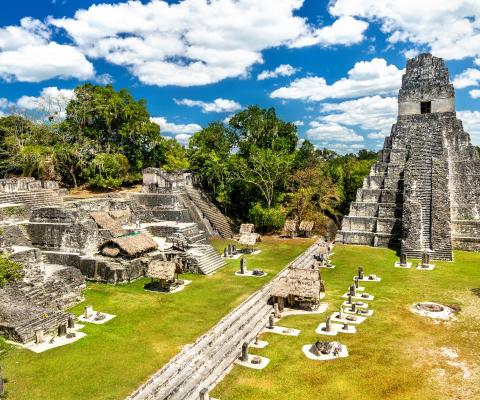
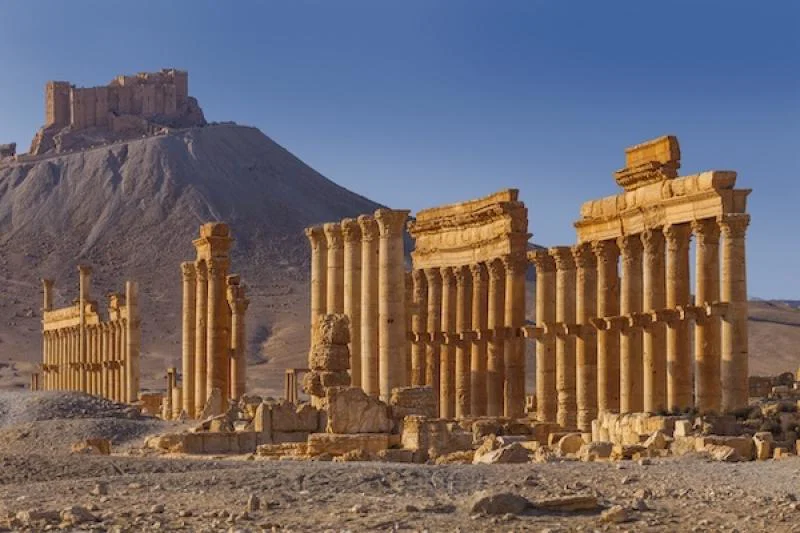
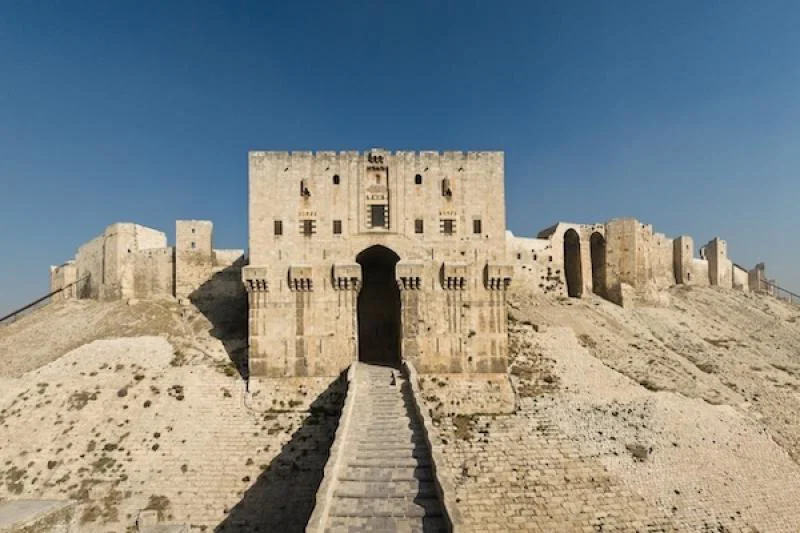
Just like many tour operators before the war, Lupine’s programme includes visits to some of Syria’s biggest cities as well as to Unesco World Heritage sites such as the ancient city of Palmyra and the crusader castle of Krak des Chevaliers.
It’s an itinerary that other more mainstream tour operators are keen to one day include too. “Syria was one of our bestselling destinations, the second most popular after India,” notes Clare Tobin, managing director at London-based small group operator Wild Frontiers.
Meanwhile Intrepid Travel EMEA managing director Zina Bencheikh says tours to Syria used to focus more on the human element.
“But beyond the landmarks, it was the warm encounters with locals — sharing home-cooked meals, learning about daily life and experiencing Syrian hospitality — that made these trips so special,” she says.
While Lupine continued to offer tours to Syria, Wild Frontiers, Intrepid and many others stopped tours when the Arab Spring uprising began. They have yet to resume operations in the country.
Andrea Godfrey, head at off-the-beaten-track operator Regent Holidays adds: “From a travel perspective, the country’s cultural and historical significance is undeniable, but ethical concerns, safety risks, and infrastructure damage make it a challenging destination to reintroduce."
Syria’s future as a tourist destination
UK-based operators have flagged several concerns around restarting tours to Syria – citing political, ethical and infrastructural issues.
Titan Travel product director Ben Davis says it will be difficult to operate programmes as things stand as some of the tourism infrastructure and landmarks were badly damaged during the conflict, and have yet to be reconstructed.
“While the situation has stabilised in some areas, many parts of Syria are still under reconstruction and political tensions remain,” Godfrey adds.
However, Tomas insists hotels in tourist areas have generators, meaning customers have access to electricity and hot water.
The Lupine Travel tour leader also thinks the country’s landmarks are as impressive today as they were before the war.
Plus, he strongly believes it’s important to show visitors the effects of the war on monuments, to demonstrate the heinous atrocities carried out by Isis and other terrorist groups.
“Palmyra was taken by Isis twice and they would use the amphitheatre to behead and hang people,” he explains. “But if you visited now not knowing about its recent history, you’d still think it was one of the most impressive sites you’d ever seen.”
Other concerns revolve around Syria’s uncertain political future and the implications of dealing with a new government.
Companies have told TTG they would feel more secure to resume operations in the country if the Foreign Office removed its ‘do not travel’ advice.
“For us to travel there again, we would need foreign travel advice levels from our key markets to be lowered from the current ‘do not travel’ [advice] and to build partnerships with local communities to ensure that a resumption of tourism is managed in a way that is driven by and benefits local people,” explains Bencheikh.
“If the UK government said it was safe, and once we’ve gathered our own information through personal trips and contacts on the ground, we would try to get back there as soon as we could,” adds Tobin.
Lupine Travel insists it keeps its groups in Syria safe by keeping the tours very simple and by asking for proof of specialist insurance.
“There are now [new places] around Syria to visit," Tomas adds, "but we’re not going to take guests there until we’ve done our due diligence and travelled there ourselves."