





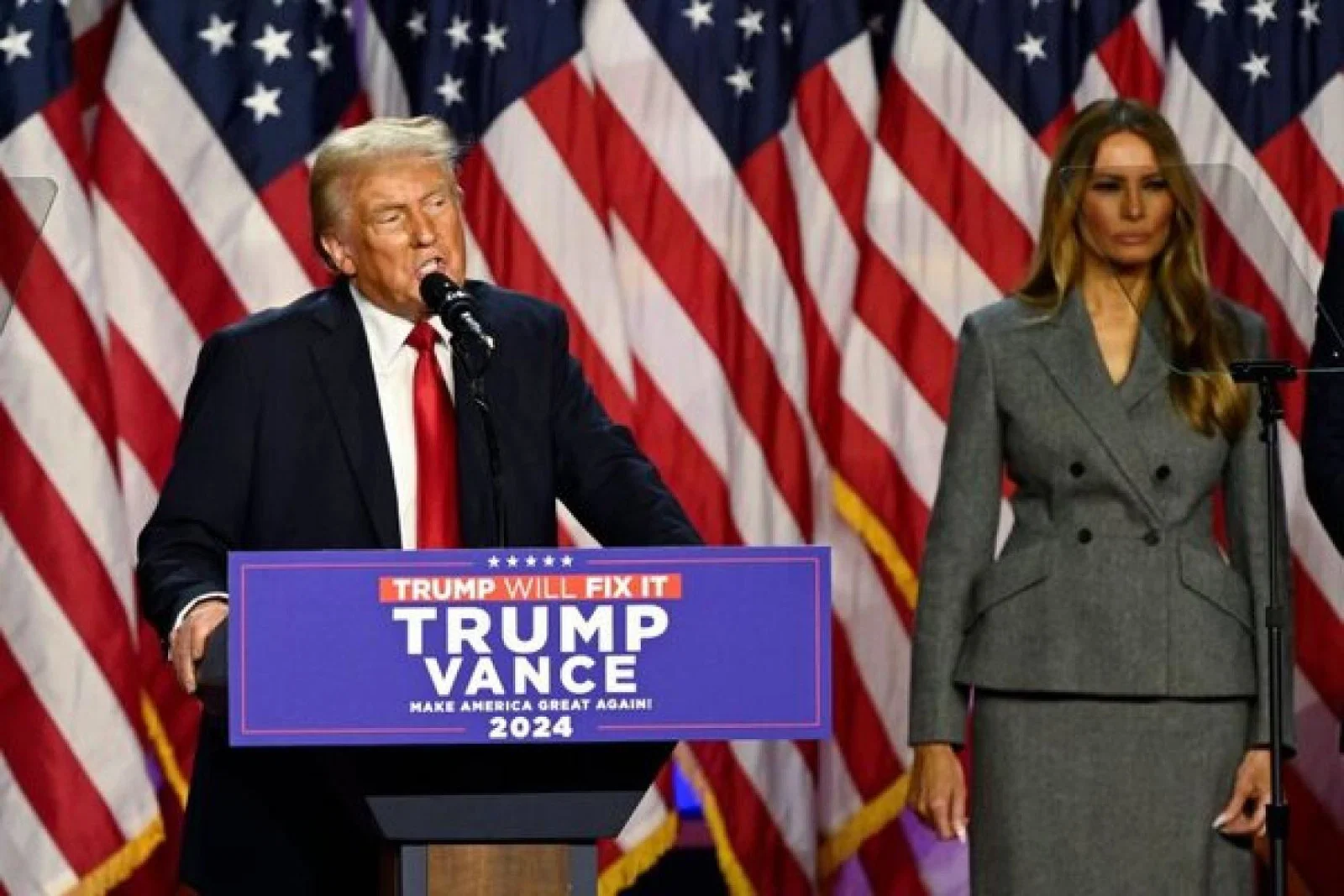
Tuesday (29 April) will be the 100th day of Donald Trump’s second presidency, and there’s been no shortage of drama and intrigue. But what has it all meant for travel and tourism, so far? And what could it yet still mean?
Well a recent snap poll by TTG seemed to underline what many in travel predicted – and feared – after last year’s presidential election; we appear to be staring down the barrel of a second "Trump slump" with two-thirds (67%) of respondents stating they had "definitely" seen a downturn since Trump returned to office.
US bookings ’steady’ says Visit USA despite Trump factor
Data from the US International Trade Administration would appear to back this up, highlighting how visitors to America from 20 major countries dropped by 10.3% in March compared with the same month last year.
The overall figures for the first quarter of 2025 also showed overseas arrivals were down by 3.3% compared with 2024, with sharp drops in visitors from Canada and Mexico, in particular.
These figures are in stark contrast to the overwhelmingly positive predictions for 2025 from The National Travel and Tourism Office, which initially suggested total international arrivals would increase by 6.5% to 77.1 million in 2025.
Instead, a new forecast from Tourism Economics predicts a 9.4% drop in total international visitors this year – almost double its previous forecast of a 5% decline made just weeks earlier. To put this into monetary terms, visitor spending in the US is expected to drop by $9 billion this year.
What the numbers say
Citing "official figures", The Guardian reports the number of UK residents visiting the US went down by 14.3% compared with the same month last year. This dip could be indicative of an even bigger drop to come this summer, as tourists typically book holidays months in advance.
Meanwhile, Jean-Francois Rial, chief executive of French luxury tour operator Voyageurs du Monde, stated that since Trump’s inauguration, bookings for US travel have dropped 20%. “In the 30 years I’ve been in this business, I’ve never seen anything like this for any destination. It’s huge,” he told CNN Travel.
Further afield, Donald Trump’s suggestions that Canada should become America’s 51st state have, unsurprisingly, generated plenty of responses.
“When you piss off a country and threaten to annex them, they are not going to want to travel here," said Matt Levy, owner of New York tour guide company Spread Love Tours, quoted in the New York Times. He forecasts a 50% drop in his firm’s business with Canadian groups this year.
It’s worth noting Canadians have been one of New York’s most dedicated visitor groups, second only to Brits, pouring $600 million into the local economy last year alone, as stated in a New York Times article. But that flow is set to slow.
What it means for search
Much has been written about the Trump effect on travel, but what does it mean for online search? Well, the findings are a little more mixed.
Compared with the same period last year, global searches for "USA holidays" were up by 14% in March according to search data tool Semrush, while variations on the same keywords yielded similar findings.
Searches to specific locations within the US varied, with "Florida holidays" and "New York holidays" seeing drops of 6% and 13% respectively, while "California holidays" saw a 6% rise. Searches for New Orleans and New England, meanwhile, were flat year-on-year.
Perhaps more telling is the fact that searches for "is USA safe?" are up by 25%.
Closer to home, searches from UK users tell a similar story, with "New York holidays" and "Orlando holiday villas" down by 18% and 23% respectively, although searches for "USA holidays" are up by 26%. "Florida holidays" searches saw no change year-on-year, while searches for "Holidays to Canada" are up by 47.5%.
What happens next?
The US will play host to the two of the world’s biggest sporting events during Trump’s second term: the Fifa Men’s World Cup in 2026 and the Olympics in 2028.
These global events are likely to pose a diplomatic question for the Trump administration, with thousands of international athletes – many from countries targeted by Trump’s rhetoric or tariffs – set to compete on American soil.
And it’s not just about spectators coming to watch the events. Tariffs are likely to have a negative impact on businesses across the world involved in construction, sponsorship, logistics, materials and so on.

But it’s not all doom and gloom. The US remains a vitally important destination for travellers, and there will always be a desire to visit its many iconic attractions and destinations – whether that be on a land-based holiday or a cruise.
In fact, total number UK visitors to the US is forecast to be 4.19 million in 2025, so it would be remiss for travel operators and agencies to overreact and not cater to this market.
What does make sense, though, is for businesses to consider their overall strategy and how the impact of a loss of business to the US could be lessened with an increase in marketing and advertising to other destinations.
As it has proven many times in the past, the travel industry – and all those who work in it – will adapt and continue to innovate, no matter the roadblocks in its way.
Andy Headington is chief executive of digital marketing specialist Adido.