








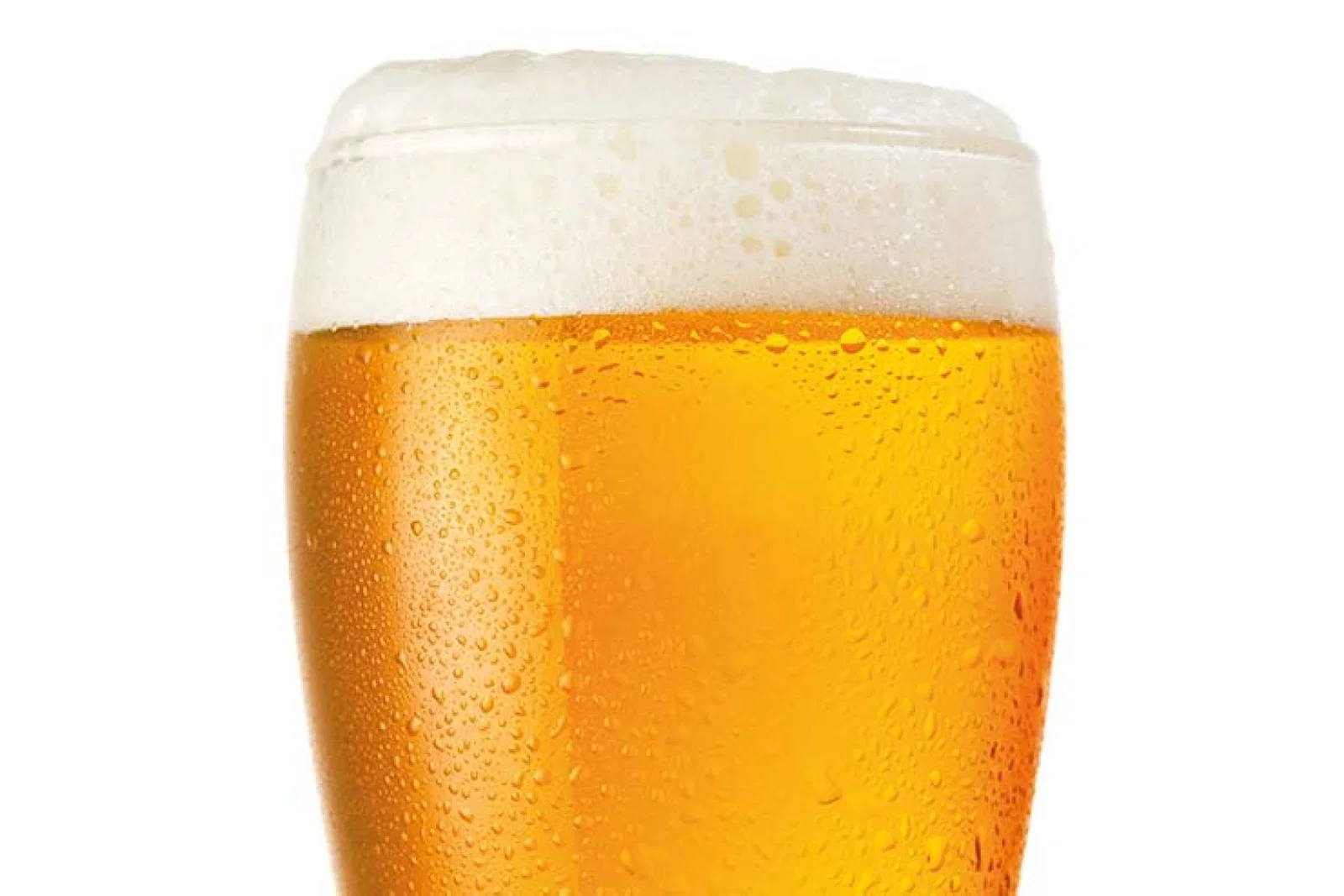
The Department for Transport unveiled its Future of UK Aviation report at the weekend, which reveals how the government may look to shape the future of the sector after Brexit. One of the key objectives is to “reduce disruptive passenger behaviour” caused by travellers drinking too much alcohol either before the flight or onboard.
The CAA recorded a 600% increase in disruptive passenger incidents in the UK between 2012 and 2016, with 418 incidents of one or more disruptive passengers in 2016.
Although disruptive passengers already face “tough” penalties, including up to two years in prison and/or an unlimited fine, the government says it may have to go further to “raise awareness” of the consequences.
Extra measures being considered include penalties for boarding an aircraft while drunk or getting drunk onboard, and ensuring that duty-free alcohol is placed in sealed bags that passengers cannot open on the flight.
Some airlines have already introduced procedures, such as Jet2.com’s ban on the sale of alcohol onboard flights before 8am, which was introduced in 2016. Last year Ryanair called for a ban on selling alcohol in airport bars and restaurants before 10am.
A Virgin Atlantic spokesperson told TTG: “We’re pleased the government is looking into the issue of alcohol and disruptive passengers, and will continue to provide our full support to the DfT. While incidents onboard are rare, we always treat them seriously.”
Meanwhile, the government also signalled a plan to review whether a “single dominant carrier at airports could harm consumer interests”. The DfT cites the situation at Heathrow, where British Airways (BA) operates 52% of flights, as well as easyJet’s 42% of services at Gatwick and Ryanair’s 78% share of the schedule at Stansted – as of 2016.
“Concerns were raised around the ability of airlines to acquire slots, particularly at congested airports, and whether the existing slot regulations incentivise behaviour that could harm the interests of passengers when new capacity is due to be allocated,” says the report.
Another focus will be “minimising delays” at the UK border post-Brexit by improving immigration processes at airports. Tim Alderslade, chief executive of Airlines UK, said: “We’re looking for a strategy that will seek to address some of the key challenges facing our sector, including putting in place a well-funded and effective border operation.”
A BA spokesperson added it would respond to the aviation strategy consultation “in due course”.
The report will go out to consultation later this year, with the government planning to publish a “comprehensive and fully informed aviation strategy” in early 2019.