Responsible tourism
Thankfully, a much broader responsible tourism movement is unfolding across the travel industry, and it is encouraging to see it led by some of its biggest players.
Tui, for instance, is more than halfway through its five-year sustainability strategy, while Thomas Cook launched its own new three-year programme in March. G Adventures and Responsible Travel have long led the way on sustainable travel efforts at home and in-destination.
Hurtigruten boss Daniel Skjeldam, speaking at the 2015 Paris climate change conference, said the Norwegian line was “strongly committed” to greater environmental responsibility. Norway later became the first industrialised nation to sign the Paris climate agreement.
This longer-term strategising is no longer an aspiration but a necessity. If travel is to protect the destinations it so readily sells, all sectors must proactively embrace and pursue change that is scalable, sustainable and treated with equal importance – from multibillion-pound fleets of new fuel-efficient aircraft to reducing brochure waste at travel agencies.
There are everyday practices companies of all sizes can adopt to reduce plastic, save electricity and water, and encourage recycling.
“Sustainable tourism is essential for the industry’s long-term viability and is something holidaymakers are now looking for when choosing a travel company,” says Clare Jenkinson, Abta’s senior destinations and sustainability manager. “When it comes to sustainable tourism, it’s vital to have a collaborative approach – it can’t be down to one person or one organisation, nor is it about tackling a single issue.”
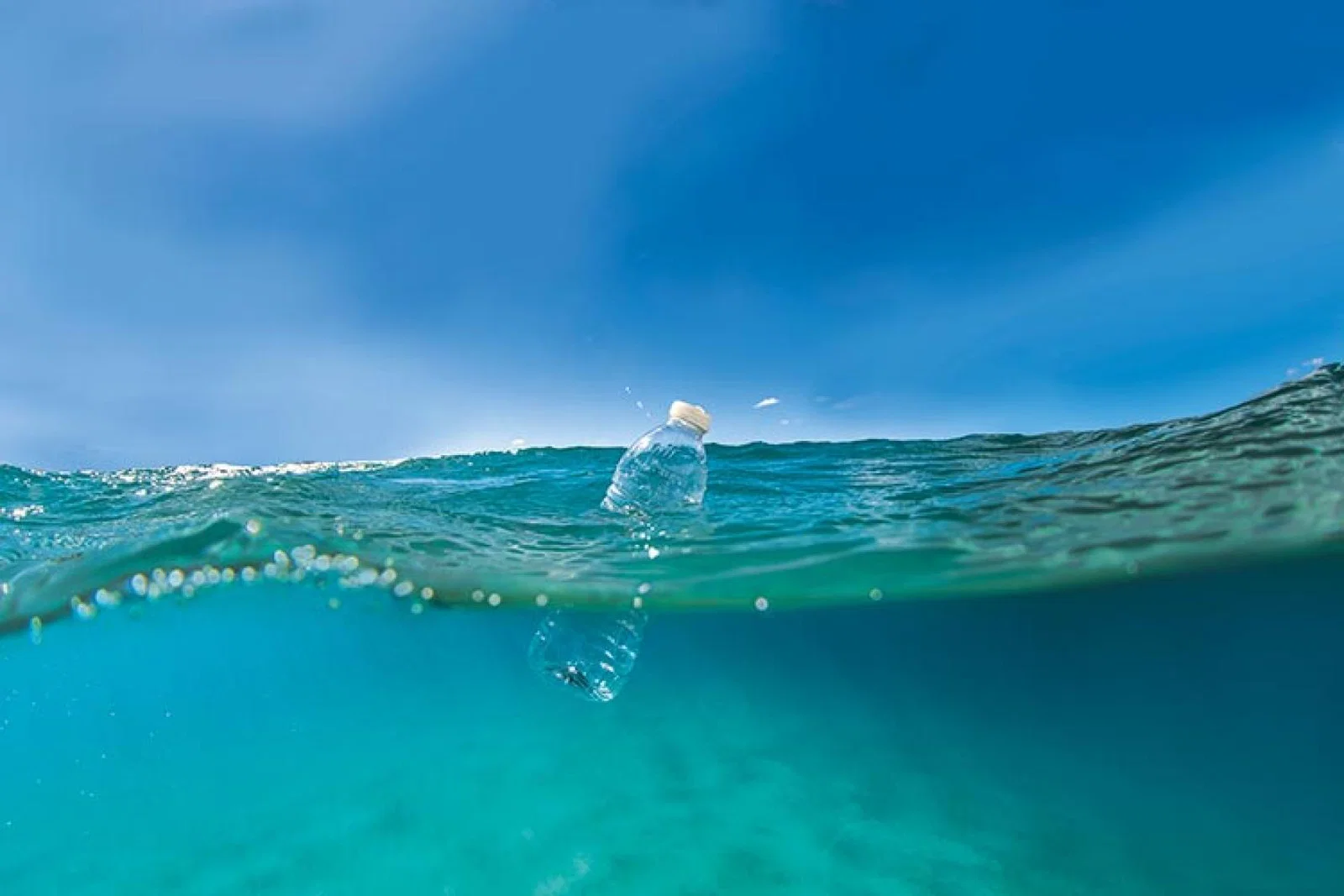
Abta’s 2018 Make Holidays Greener campaign, launched last month, seeks to capitalise on the momentum generated by Blue Planet II under the banner: “Say no to plastics”.
The association is urging businesses to reduce plastic usage, commit to operators and suppliers that have pledged to forego plastics, and take direct action such as hosting a beach clean-up or otherwise encouraging prospective holidaymakers to make one of its 14 sustainable holiday pledges.
Spreading the message
On the high street, as multiples with networks of more than 600 retail stores across the UK and Ireland, Tui and Cook have long blazed a trail, with the two groups’ respective sustainability strategies introducing a range of initiatives that smaller companies can learn from and adopt.
Last year, Tui reduced its group-wide carbon emissions from ground operations by 3.1% and rolled out energy monitoring technology across its retail operations, presented through a dashboard that tracks energy usage and savings. By the end of the year, all the electricity powering its UK stores will be purchased on green tariffs.
Tui has also pledged to eliminate paper brochures in the UK entirely by 2020 following a two-thirds reduction since 2012. The company says it will improve its “digital infrastructure” to compensate.
Meanwhile, Cook derives nearly 50% of its electricity group-wide from renewable sources, while objectives set out in its latest 2017-20 sustainability report include focusing on energy efficiency and improving recycling rates across its office and retail networks.
Cook is also encouraging sustainable travel options for employees including bicycle leasing and car-sharing programmes, and has installed electric car-charging points at key facilities.
Like Tui, Cook is working on reducing its reliance on brochures, targeting a 60% reduction in paper usage compared with 2010. In 2016, it sourced 57% of brochure paper from sustainable sources.
Away from the high street, Cook has introduced smart device “e-receipts” on its aircraft, so far saving more than 2,000 miles’ worth of paper – or 250 trees.
Going paperless
Going paperless is perhaps less daunting than it seems. In just a few years, we’ve seen those huge racks of paper brochures in many agencies significantly reduce in size or disappear altogether.
Paperless brochures, itineraries and quotes are becoming increasingly viable and affordable for many agents, and may result in a final proposal that is significantly more engaging for customers.
Last year, Oxfordshire’s Full Circle Travel was awarded TTG’s Top 50 Travel Agencies’ Fresh Thinking Award for its innovative use of technology such as itinerary-planning software Travefy, which allows its agents to pull in hotel, flight and cruise details to create detailed electronic itineraries on-the-fly.
Meanwhile, at its new Wimbledon travel lounge, Swords Travel is using Wetu software to create interactive, immersive itineraries it can present to clients on-screen rather than through a lengthy paper document. Canada specialist tour operator First Class Holidays recently told TTG it was looking to improve its online quotes and was exploring video versions.
Elsewhere, 2018 TTG Top 50 agency Deben Travel is experimenting with perhaps one of the most innovative paperless solutions by embracing VR at its new specialist cruise store in Woodbridge, giving clients near first-hand experience of various destinations. Deben also hopes cruise lines will soon adopt VR technology to produce interactive ship experiences.
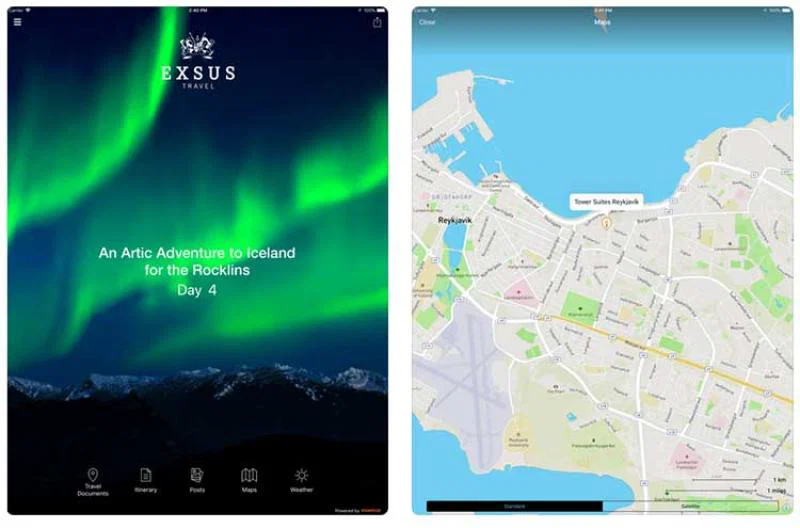
Agency or tour operator apps may be another logical development now the smartphone revolution of the past decade has placed devices in so many pockets.
Neil Sealy, Exsus Travel’s new head of trade sales, told TTG the luxury operator was encouraging clients to use the Exsus app (pictured) for their travel documentation rather than printed itineraries.
Sealy said Exsus is also reviewing its entire social responsibility policy to boost recycling and reduce printing, defaulting to black and white as much as possible.
Agencies and travel businesses can, and do, clearly learn from one another. At its new Brixton HQ, Intrepid Travel has banned single-use-plastic water bottles and encouraged staff to embrace refillable, reusable bottles instead. It has even replaced its coffee machines to get rid of plastic coffee pods.
Nick Harding-McKay, managing director of TTG Top 50 Travel Agencies’ Travel Designers, in nearby Balham in south London, said his business had undergone a similar process of introspection.
“Wherever possible, we recycle,” he said. “Landfill rubbish has gone from seven bags a week to one – that’s 312 less a year. Brochure consumption is down 65% and paper consumption 50% – wherever we can, we use digital copies and email documents to people.”
Other Travel Designers initiatives include “carbon offsetting fam trips”, cutting company cars, switching to a green energy provider, installing low-energy lighting and turning off all office equipment – not just computers – overnight.
“We’ve implemented a few changes. They’re small but they all make a difference,” said Harding-McKay.
“When it comes to sustainable tourism, it’s vital to have a collaborative approach – it can’t be down to one person or one organisation”
Clare Jenkinson, Abta
Future action
Attenborough’s warning demonstrates that action on plastics is essential. But it should not come at the expense of other sustainability measures and must not become a tick-box gesture when it comes to environmental commitment.
Our plastics problem should be considered as part of a diverse range of measures that will put travel on a much more sound and sustainable footing.
Action by larger operators such as Cook and Tui is welcome; even more heartening is that it is filtering down to smaller businesses too.