







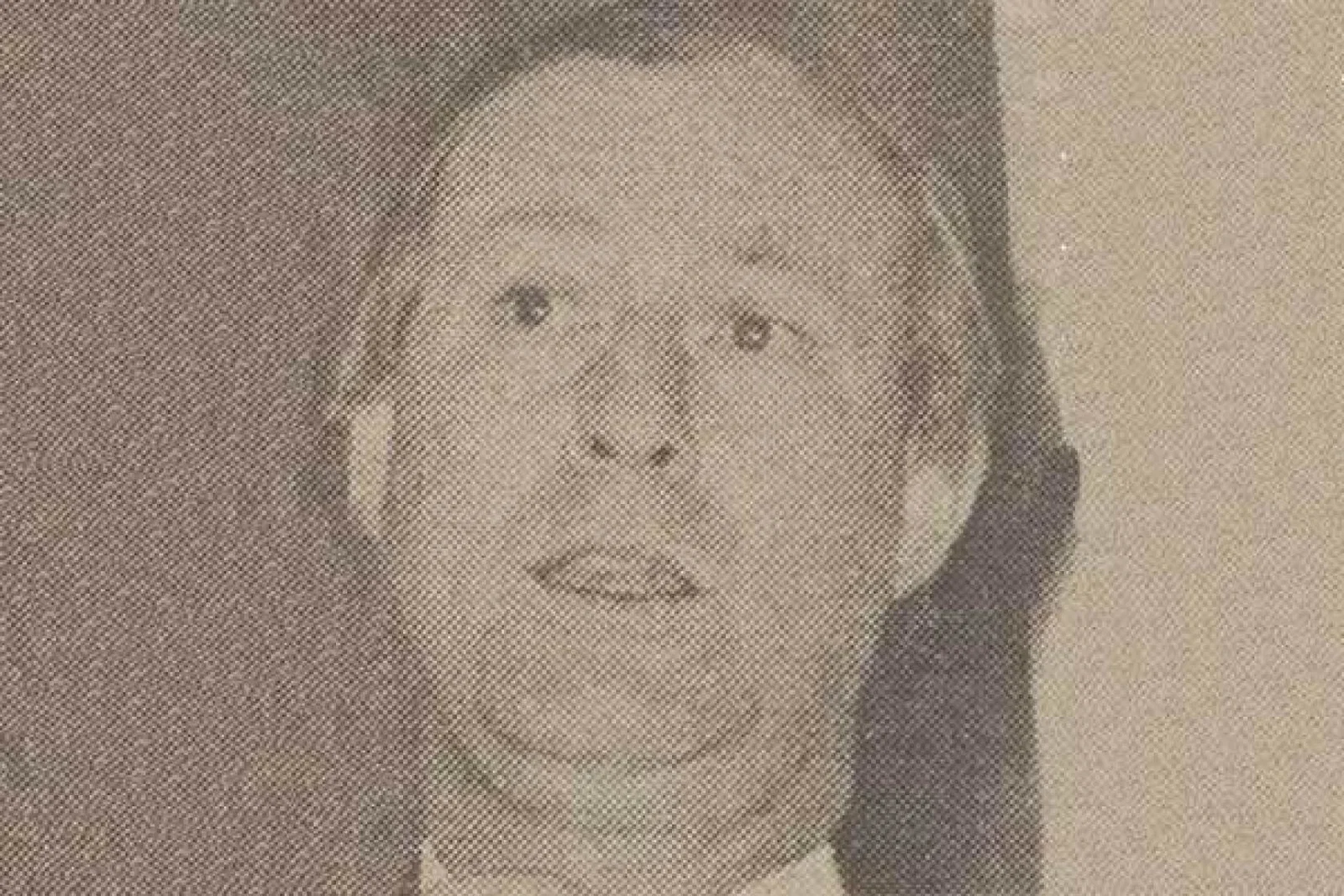
Gullick (7 March 1931 – 7 June 2023) built the company from a single-branch travel agency in the City of London to become the UK’s largest tour operator by 1970 with a “pile ’em high, sell ’em cheap” ethos that was widely copied.
He left the company two years before its collapse at the height of the summer season on 15 August 1974 following the failure of Court Line – an aviation, shipping and tourism group that had bought Clarksons the previous year for a nominal £1. The failure led to a crisis at the heart of government and lasting changes to financial protection that still benefit consumers today.
For some, Gullick was an entrepreneur with a flair for making deals, who made it possible for many to go on holiday abroad for the first time. For others, he was a maverick who cheapened the whole industry, which led to Clarksons’ inevitable demise.
Gullick was given free rein to develop Clarksons but was never his own boss as the agency H Clarkson & Co was owned by a shipbroker with a history going back 200 years, which had become part of a group called Shipping and Industrial Holdings.
He joined in 1958 at the age of 27 after a career in the Royal Navy at a time when air travel was poised for growth. His first tour was for a business group to the Brussels World’s Fair (later Expo) in 1958. Day trips to the Dutch bulb fields were soon added. Clarksons steadily built up its touring business over the next few years, becoming separate from the travel agency.
Package holidays to sunshine destinations by charter flight were pioneered in the early 1950s by a company called Horizon, but by the early 1960s, none of the operators involved were very big.
They were held back by a government regulation, Provision One, aimed at protecting British European Airways, a forerunner of British Airways, which meant operators could not sell a package holiday for less than the return air fare to that destination, which at that time was very expensive.
Gullick argued long and hard against this restriction until it was abolished in 1971. Operators, though, were able to subvert it to some extent by offering discount vouchers for meals, drinks, excursions and other add-ons.
Clarksons operated its first holidays to Spain in 1964, and Gullick saw the opportunity for major expansion as the Spanish government was offering incentives to build hotels in resorts – including Benidorm. The advent of jet aircraft was another big opportunity, slashing journey times and bringing huge economies of scale.
’Social service’
Jet aircraft travel expanded so rapidly over the next few years that by 1970, it celebrated its one millionth passenger. Clarksons advanced money to Spanish hoteliers to help them build more, and also had interests in everything from nightclubs to beach donkeys.
Cheap package holidays became all the rage, but the mass media often gave Clarksons a hard time, especially when newly built hotels failed to open and customers were switched to inferior properties or alternative resorts.
“There was a huge press campaign against us, and the media were moving cement mixers from one hotel to another to make a better story,” Gullick said. “Right from the start, Clarksons was never a very commercial operation. But we were providing a social service, making holidays available to people who could never otherwise have afforded them.
“The thing to remember is that 95% of our customers were totally happy, but to make the other 5% happy, we would have to raise prices when a lot of their grievances were not genuine. The price of perfection was simply not attainable.”
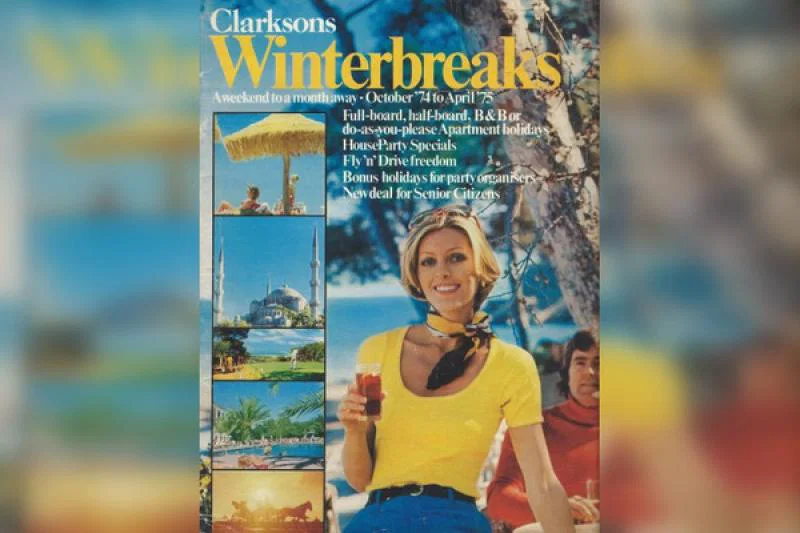
By the early 1970s, Clarksons’ main rival was Thomson Holidays, now Tui UK – set up after Canada-based media conglomerate the Thomson Organisation bought three British tour operators in 1965. Thomson had a quality reputation but wanted to grow, and started cutting prices and putting Clarksons under pressure. Gullick departed in 1972 following a disagreement with its owners over prices. Clarksons was effectively bankrupt when Court Line, whose charter airline had Clarksons as its biggest customer, took over.
The whole Court Line group went down in 1974 as a result of over-expansion and a huge rise in oil prices caused by war in the Middle East, which also hit its non-travel operations and caused economic chaos worldwide.
Although financial protection for package holidays had been gradually introduced over the previous decade, the safeguards were nowhere near sufficient in such a big collapse which took down Clarksons and other brands, including its former rival Horizon.
Lasting legacy
Faced with many thousands of people being stranded abroad and with many more booked to travel, the government asked the travel industry to work together on the rescue. It later built up a trust fund through a levy on package holidays, which together with tougher financial monitoring has prevented such a crisis being repeated.
Thomson became the top tour operator after Clarksons’ demise, and retained that position for nearly half a century until this year when, as Tui UK, it was overtaken by Jet2holidays in terms of licensed capacity. Ironically, Thomson had a history of fighting off lower cost rivals keen on becoming top operator, who later disappeared.
