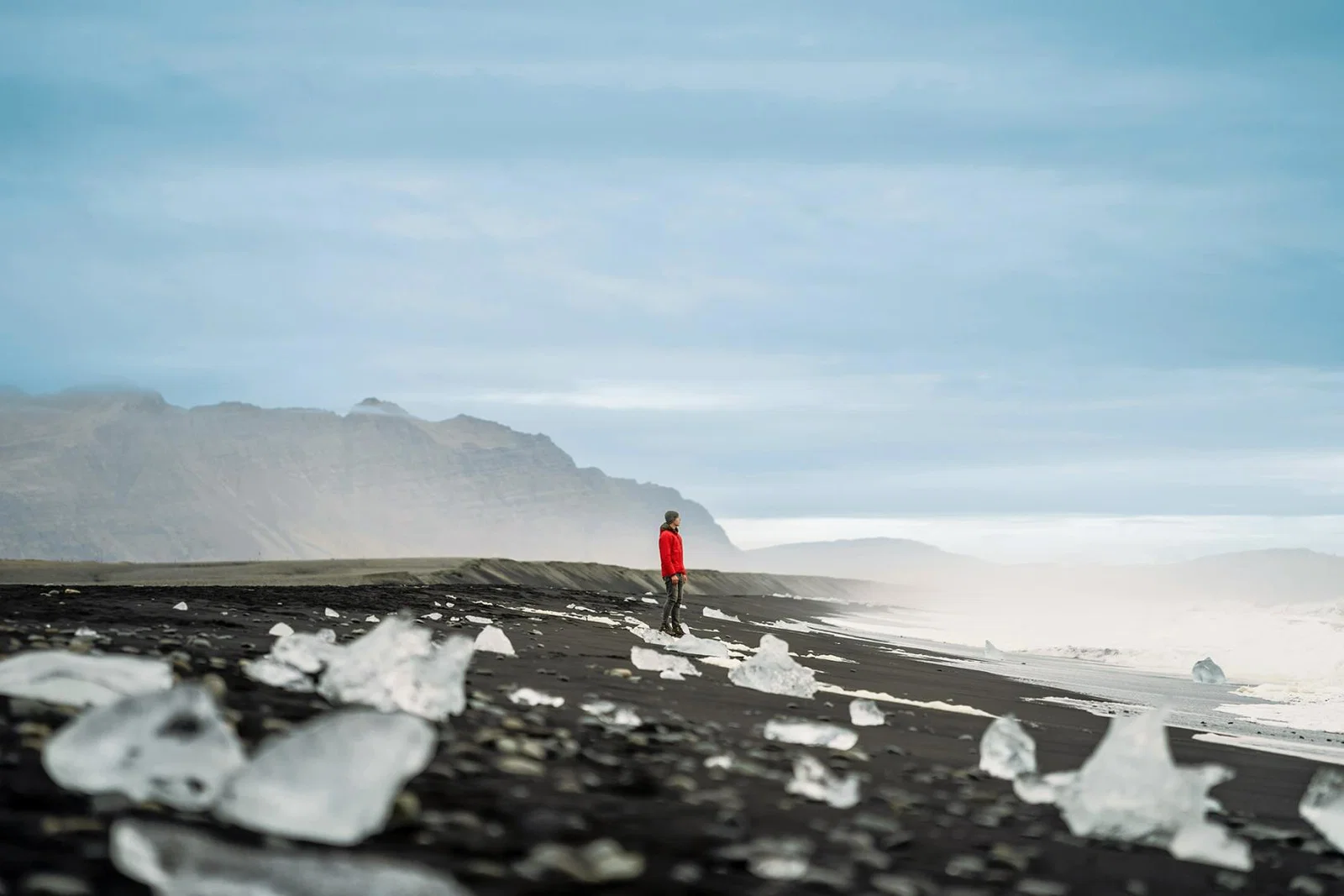
Two of DERTOUR Group’s UK-based specialist brands – Jules Verne and Explore Worldwide – are highlighted for their experience in solo travel.
The research found:
– Solo travel is not just for singles – around a quarter of respondents who were married or in stable relationships indicated they were likely to take a solo trip in the next 12 months
– “Travelling alone offers dedicated time to focus on [the traveller’s] own interests and priorities”
– Younger solo travellers want choice. Older solo travellers want connection
DERTOUR Group’s own booking data showed:
– Solo travellers stay on average 10.4 day, compared with 8.9 days for travellers overall
– Solo travellers are also more likely to travel outside the traditional peak months of June to August – 65% of solo trips vs 56% of trips overall
– 51% of bookings for Jules Verne’s 2027 small group tours are solo travellers, up from 48% for 2026
– Solo bookings for Explore Worldwide increased 18% between 2023 and 2026
This trends report – the third and final in a series – also looked at slow travel and the rise of a new travel mindset. The JOMO (Joy of Missing Out) traveller is someone who finds joy not in doing everything, but in missing out on the unnecessary. Instead of ticking off as many sights as possible, JOMO travellers focus on fewer, better, more memorable experiences.
“Travel has always been about discovery, but today we see travellers placing even greater value on experiences that feel more meaningful. Whether through slow travel, digital detox breaks or solo adventures, Europeans are embracing new ways of travelling that reflect their individual needs, interests and aspirations,” says Christoph Debus, CEO DERTOUR Group.
The report is based on a survey among 8,000 respondents across 13 European countries and is complemented by booking data from 16 European source markets as well as expertise from the travel brands behind millions of European holidays each year.
The full report can be read here: dertour-group.com/wp-content/uploads/2026/08/DERTOUR-Travel-Trend-Report-No3-2026-EN.pdf