




From finding partners who truly champion sustainability to working out which certification schemes to look for, knowing the suppliers you can trust isn’t always easy. To help this year’s TTG Sustainable Travel Ambassadors in Training navigate the challenges, Richard Hammond, a journalist and the founder of Green Traveller, presented the second TTG Sustainable Travel Heroes workshop, and outlined six key areas to focus on:
1.CONSIDER EACH COMPONENT
Hammond said because every element of a supplier’s holiday has some impact on its carbon footprint, it’s worth understanding the figures around carbon emissions. Intrepid agrees, labelling the emissions of more than half of its trips. On average, flying accounts for more than 70% of a trip’s emissions, with accommodation and food waste each generating another 10%, and the remainder coming from everything else.
When flying is essential, various factors affect the carbon footprint, such as the aircraft’s age, fuel, class of travel and the route. Google Flights gives an emissions estimate in search results.
Hammond said focusing on what happens in the destination has a real effect, explaining: “When you start seeing accommodation providers doing more about their energy use, that can have a significant impact [on emissions], and so too can food. It’s not just about how it’s grown, but how it’s transported, and the waste.”
He praised Iberostar for its Wave of Change movement and its journey towards a circular economy, which has seen it ambitiously tackle waste with the goal of not sending anything to landfill by 2025.
2. FOCUS ON GETTING AROUND

Hammond stressed that suppliers’ transport choices in a destination can also make a huge difference, and highlighted how, on a return journey from London to Glasgow, one person travelling by coach generates 40kg of CO2e, compared to 64kg by train, 368kg by plane, and 1,020kg driving a large SUV. Use ecopassenger.org to compare the energy consumption, CO2 emissions and other environmental impacts for different transport options.
3. ASK QUESTIONS
Don’t be afraid to quiz suppliers to help you understand how they’re operating. Questions could include:
- Have they published a responsible tourism policy and/or an ESG Report?
- Do they measure their carbon footprint and set targets to reduce it?
- Do they hold, or are they working towards, any certifications?
- What is their impact on the environment, the local community and animal welfare?
- Do they pay all staff a living wage?
- How do they influence and add real value across their supply chain?
- How do they communicate all this to their customer base?

4. BE AWARE OF GREENWASHING
Watch out for over-simplistic, exaggerated or ambiguous language, particularly regarding carbon claims and recycling. Hammond recommends Sustainable Travel International’s guide, How To Spot and Avoid Greenwashing in Tourism, and the Competition and Markets Authority’s Green Claims Code. Look for claims that are backed up, for example, Intrepid, Iberostar, TTC Tour Brands and AE Expeditions (part of Aurora Expeditions) set verifiable targets through the Science Based Targets initiative.

5. LOOK FOR CERTIFICATIONS
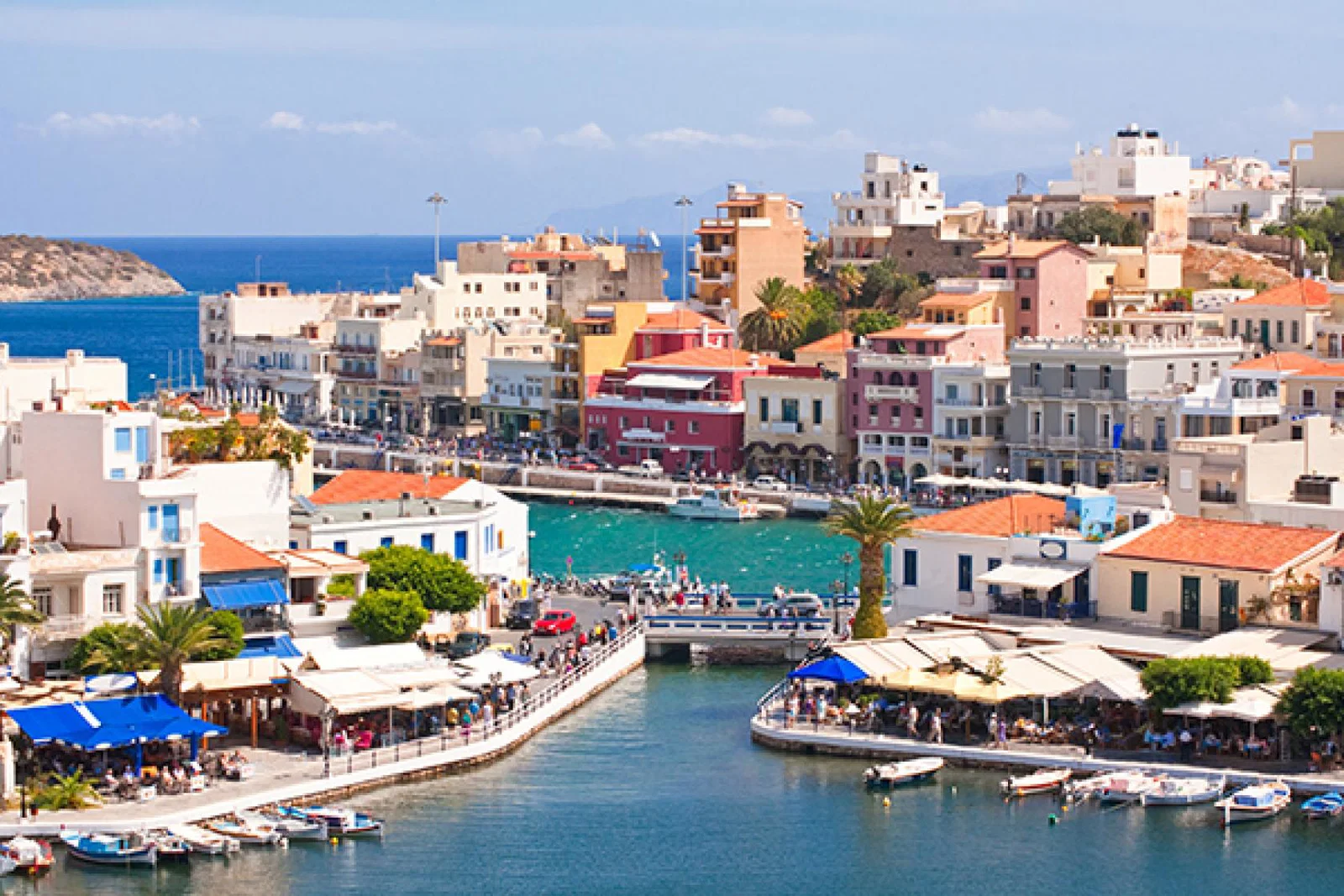
Hammond acknowledged that with more than 250 certification schemes in the tourism industry, it can be hard to know which ones to trust. He praised GSTC (Global Sustainable Travel Council)-approved labels and highlighted schemes including Abta’s Travelife, which has certified more than 180 properties in Greece alone, alongside EarthCheck, Green Key and Biosphere.
He also suggested seeking out certified B Corps, such as Intrepid and AE Expeditions. He said “a really good indicator” is when companies align their work with some of the 17 Global Goals developed by the United Nations – look to AE Expeditions and TTC Tour Brands for examples.