









After more than a decade of discussion, new rules covering how air passengers are treated look finally to have been agreed by politicians, if not airlines.
EU261, as the rules are known, mostly covers delays and disruption, but also embraces ticketing and disabled passenger rights.
Technically, Brexit means the UK can set its own laws, but the airline industry is inextricably linked with the EU, and the UK government so preoccupied with other things that EU261 will be adopted by Westminster.
Don’t, however, expect immediate change; the legislation must be rubber stamped by the European Parliament before it applies “after 12 months”, the European Commission told TTG. So realistically, not before winter 2027/08.
Here's what to expect, and what it will mean for the industry.
Monetary compensation for delays unchanged
Despite airlines complaining about pay-outs for delays often exceeding ticket prices, the rates of compensation will remain unchanged.
Passengers can claim compensation after a cancellation or a delay of three hours, amounting to €250 for flights of less than 1,500km, €400 for flights between 1,500km and 3,500km, and €600 for flights beyond 3,500 km.
One key change is that during disruption, airlines must “proactively” inform passengers within 96 hours of their rights and how to claim compensation.
Setting out to passengers how they can claim direct to the airline could have a big impact on law firms specialising in air passenger rights, which take a cut of the passenger pay-out.
Unsurprisingly, some carriers are up in arms. Budget airlines, in particular, are angry that fares – often of less than £50 – automatically incur a €250 penalty or higher.
Wizz Air said: “While passenger protection remains important, the decision not to modernise a framework drafted more than 20 years ago fails to reflect today's operational realities, including increased air traffic, infrastructure constraints, air traffic control disruptions and geopolitical challenges affecting airlines across Europe.
"The revised agreement also does nothing to address the real issue of long delays and cancellations caused by air traffic control authorities: the EU seems still to consider it fair for airlines to pick up the bill for the air traffic control system's shortcomings.”
What constitutes 'extraordinary circumstances'?
Delay compensation is not payable by airlines under "extraordinary circumstances". Carriers have in the past tried to confuse passengers by arguing they were not due compensation by falsely invoking this clause, but examples will now be set out in a list by the EU, giving consumers more power.
The EU says this “will contribute to more consistent interpretation and application of the rules”.
It lists severe weather (such as electric storms), industrial action unrelated to the airline, terrorism, sabotage, security risks, unrest, or instances where a manufacturer grounds a type of aircraft because of a defect, as being extraordinary circumstances.
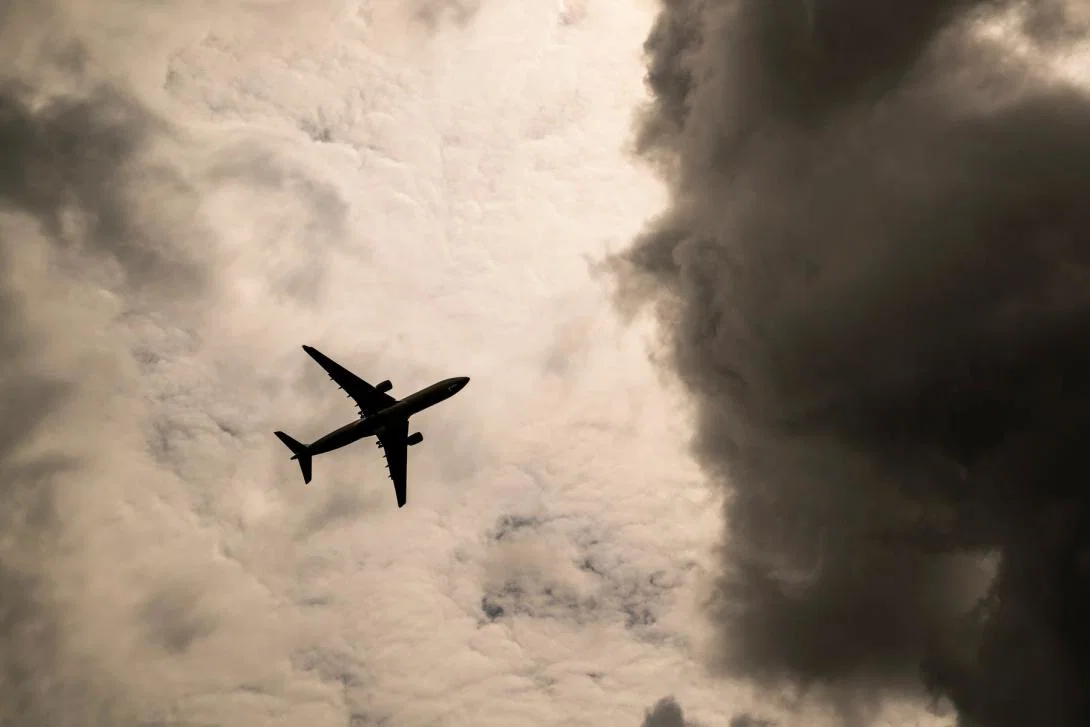
Extraordinary circumstances represent a range of get-outs for airlines, including electric storms
It notes technical problems identified during routine maintenance or pre-flight checks are not extraordinary circumstances. Unavailability of flight or cabin crew, unless caused by labour disputes, does not count either.
The EU says the list is not exhaustive and “a more precise definition” of extraordinary circumstances is needed.
Headline prices must include hand baggage
This is perhaps the most contentious, and to consumers the most beneficial, change.
Currently, some budget airlines’ lowest fares are based on the passenger having a small bag placed under the seat in front of them, which consumer groups argue is unrealistic given most passengers need more luggage.
Under the new proposals, headline fares must include a "standard" cabin bag as well.
Predictably, Ryanair, which bases its pricing on the minimum luggage allowance, is unhappy. The changes mean its headline fare will not be its cheapest, as passengers should be able to pay a lower rate by opting not to take a cabin bag on board.
Ryanair points out more than half its customers travel this way, describing the proposals as “bunkum”. There are also practical considerations; if every passenger brings a cabin bag, most of these will end up in the hold.
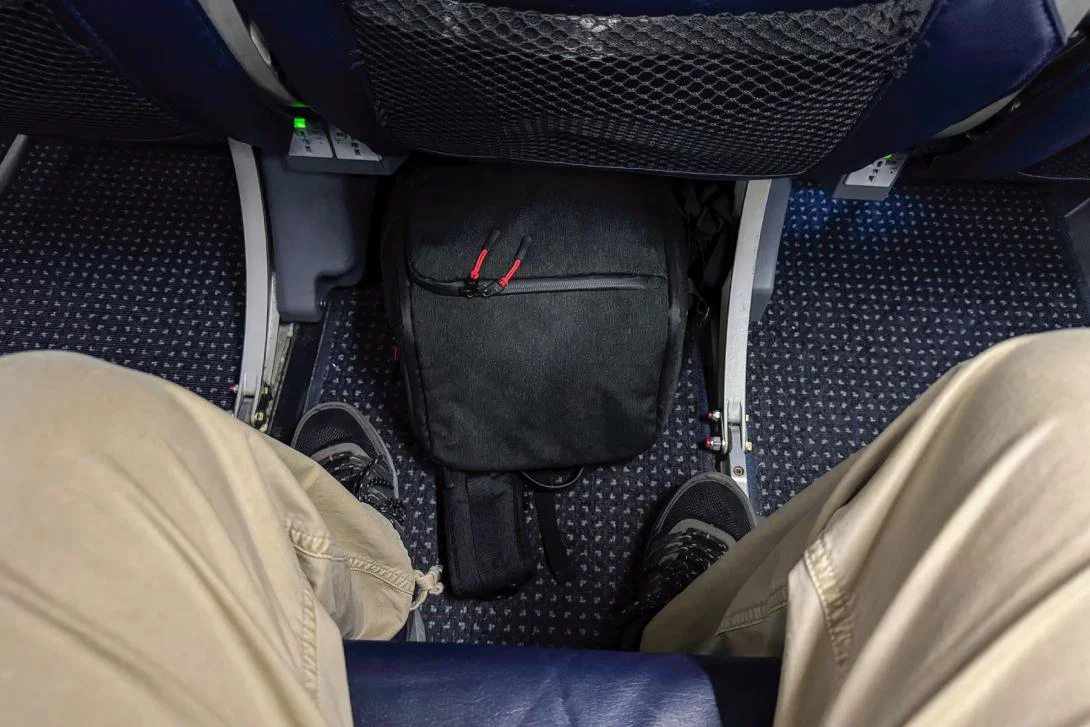
The EU is stipulating headline air fares should include a carry-on cabin bag
Airport technology firm Sita said: “Aircraft cabin capacity remains a finite resource. If more passengers choose to travel with a cabin bag, airlines will need greater visibility into expected cabin baggage volumes to avoid unnecessary gate interventions, last-minute transfers to the hold, and the delays and frustration that can follow for passengers and staff alike.”
Industry body Airlines For Europe added: “Obliging airlines to artificially inflate prices by including the cost of hand baggage in the displayed airfare contradicts established EU law protecting opt-ins instead of opt-outs.”
However, the EU says: “The agreement strengthens transparency and comparability of air fares, including for hand baggage charges. Passengers will be better equipped to compare offers across airlines and booking platforms, enabling more informed choices. At the same time, airlines retain the freedom to determine their own pricing structures.”
The EU adds passengers are “sometimes confused” about the weight, size and number of bags allowed onboard. "Air carriers should clearly indicate these allowances at booking and at the airport," it says.
Tarmac delays – new right to disembark
There are, instances, albeit rare, of passengers being stuck on an aircraft on the tarmac for hours going nowhere, such as during a sudden collapse of air traffic control. Under the new rules, they will have the right to disembark after five hours.
Right to care – single time limit for all flights
The amount of care passengers receive during a delay, such as food vouchers, currently depends on the length of flight – meaning a wait of two, three or four hours for assistance. The proposals will introduce a single time threshold of two hours for all flights.
Ticketing errors – free changes for 'reasonable corrections'
Some airlines penalise passengers for spelling errors in their names by “punitive administrative fees”, the EU says. Under the new rules, “reasonable corrections of booking errors should be provided free of charge provided they do not imply a change of times, date, itinerary or passenger” – something agents will welcome.
Ban on no-show policies for return flights
Another proposal will benefit agents who have received frantic calls from passengers stuck the other side of the world – ‘no-show, no fly’ policies for return flights are banned.
This means passengers who, for whatever reason, do not take the outbound journey cannot be denied boarding on the return flight, something network carriers often enforce. Airlines may not charge a fee for allowing passengers to board the return flight.
Improved rights for those with reduced mobility and disabilities
Under the proposals, any loss or damage to mobility equipment such as wheelchairs must be paid in full, with airlines not allowed to put a limit on claims.
During delays, the disabled, persons with reduced mobility or special needs such as unaccompanied children, pregnant women, or those needing specific medical attention, must receive special treatment at whatever cost.
The EU says: “It may be more difficult to arrange accommodation when flight disruptions occur. Therefore, any limitations on the right for accommodation in cases of extraordinary circumstances... should not apply to these categories of passenger.”
'These are fairly lacklustre changes'
Fox Williams partner Lucy England said: "The Regulation 261 changes are fairly lacklustre considering they have been so long in coming. For the wider travel industry, they make no attempt to bridge the gap with the Package Travel Regulations/Package Travel Directive, but will add more to airlines’ operational burdens at a time when air travel is trying to recover again.
"These changes are not yet final and won’t be in force for a few years yet and we’ll see if the UK follows suit; the UK may want to diverge from EU law, but not doing so will make an already complex regulatory regime even more complicated."