







The line's Chief Executive Remi Bouysset said the current thinking was based on the latest medical and epidemiological information available.
"The indications strongly suggest the virus was introduced prior to embarkation and did not originate from the vessel itself," he said, adding: "Investigations remain ongoing regarding the exact location where the virus may have been contracted."
Bouysset described the outbreak, which resulted in three deaths from the rat-borne virus and "several others" falling serious ill, as "a human tragedy".
"At time of writing, several affected individuals remain hospitalised, including some still in critical condition, while many guests and crew members remain under quarantine and medical monitoring," Bouysset continued.
"Beyond those directly affected, the situation has weighed heavily on guests, crew members, expedition staff, families, and friends. Throughout this entire period, our thoughts have remained with them."

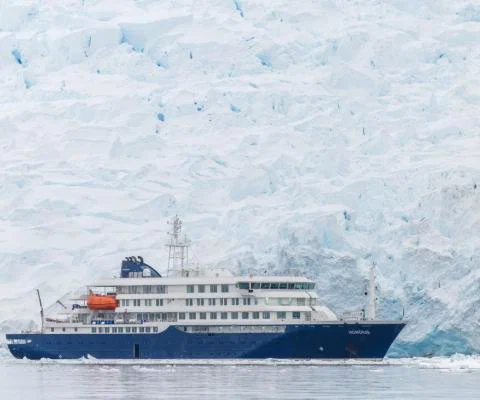
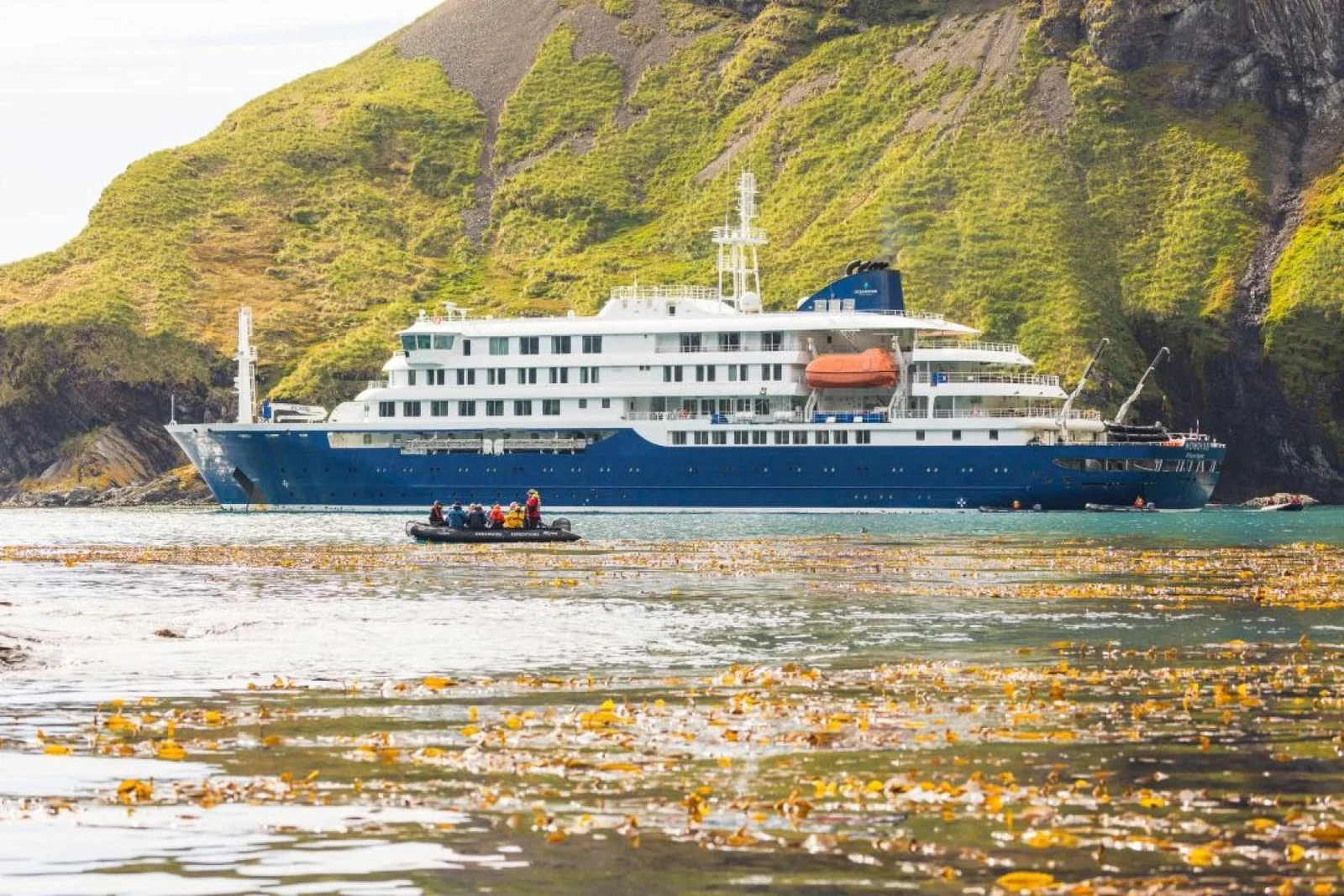
The ship arrived in Rotterdam on 18 May and is undergoing a "complete cleaning and sanitisation process" before returning to operations. Its Arctic season is currently set to resume on 13 June. "We want to take the necessary time to complete every step properly and responsibly," Bouysset added.
Some 20 Britons who sailed on MV Hondius began 45 days of self-isolation at Arrowe Park Hospital in Merseyside on 10 May after flying back to the UK on a charter flight from Tenerife where the ship eventually docked.
The outbreak has been linked to the presence of hantavirus in rodents in and around Ushuaia in southern Argentina where the ship departed from.
Earlier this week, authorities in the captured a number of rats in forested areas around the town that were previously thought not host rodents carrying hantavirus, the Associated Press reports.