






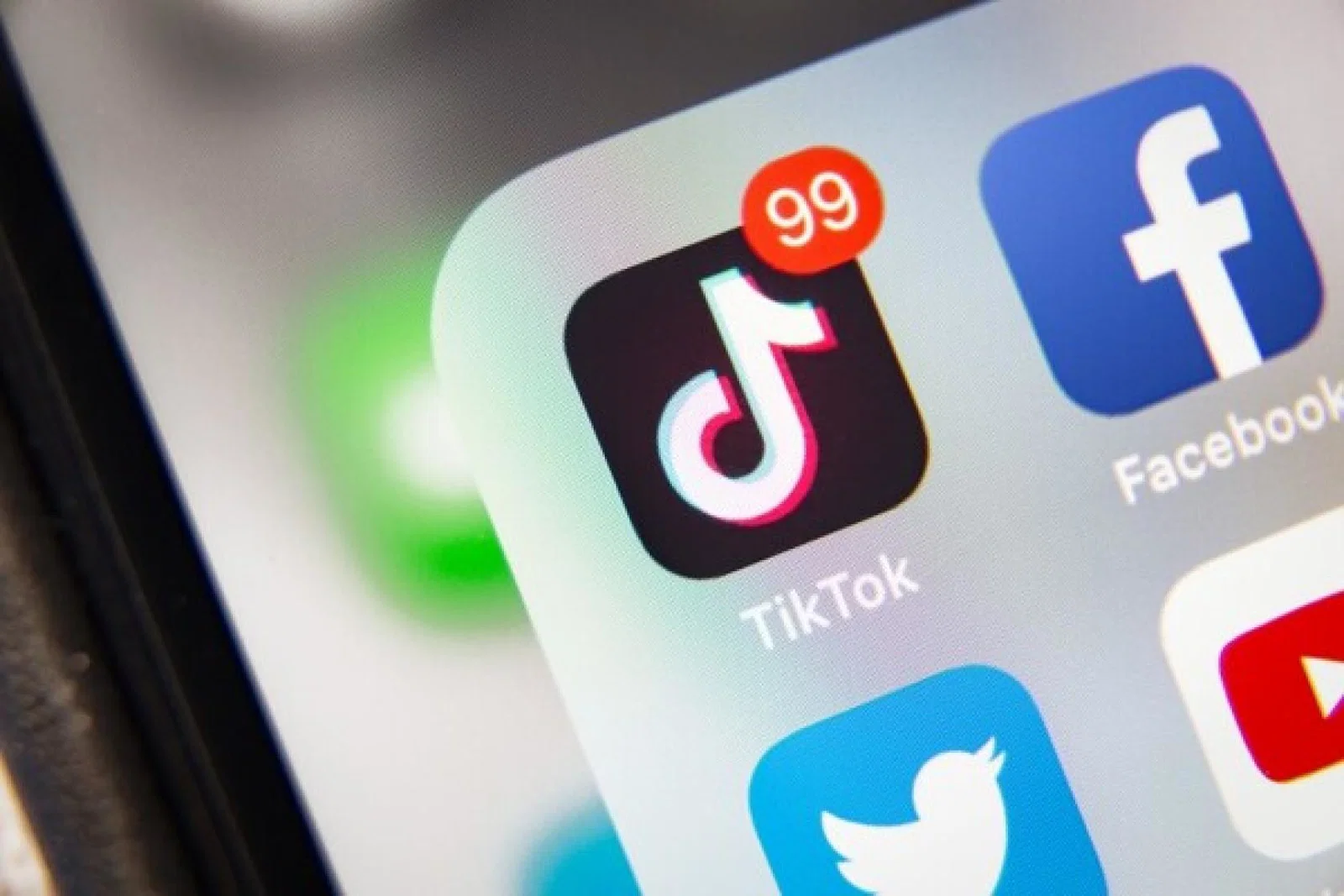
A press release dropped into TTG’s inbox recently, claiming: “TikTok is now Britain’s most powerful travel agent.”
It immediately raised a few eyebrows across the team, what with TTG being a publication that very much writes for travel agents of the human kind.
Travel and airport experience platform Dragonpass states in its release: “Social video has effectively become the modern travel agent, influencing not just where people go, but how confident they feel getting there.”
Now, it's clear what Dragonpass is trying to highlight, with chief marketing officer Andrew Harrison-Chinn arguing: “The real impact of social video is confidence.”
The press release continues: "Watching someone else successfully navigate an airport, manage transfers, understand costs and arrive smoothly removes the uncertainty that once held people back.”
It cites statistics such as “73% of travellers globally say influencer recommendations have influenced a booking decision”, and “61% of travellers now discover trip ideas on social platforms”.
This may all be true, but the gist seems to reduce the role of a travel agent down to merely a primary source of inspiration.
We asked Lotte Gossage, a former agent and social media whizz who now runs Hotel Fam Club for travel advisors, for her thoughts on Dragonpass’s bold claim.
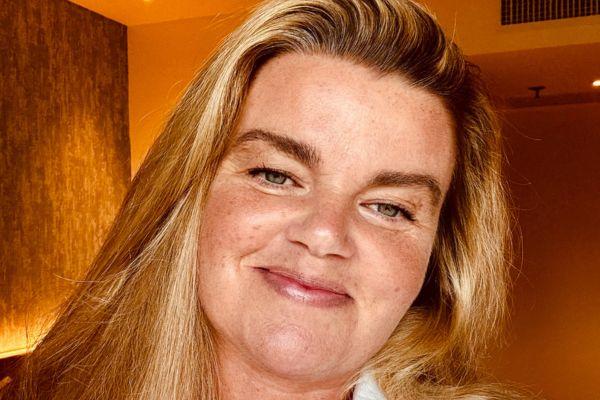
Lotte Gossage, who runs Hotel Fam Club, says TikTok is 'brilliant' at inspiring travellers but stops short of calling the platform 'a travel agent'
'Inspiration is not advice, and advice is not booking'
Calling TikTok the “new travel agent” makes for a catchy headline, but it misunderstands what travel advising actually involves. TikTok is undeniably brilliant at one thing: inspiration.
It can make people want to visit destinations, hotels – and try out experiences – they hadn’t considered five minutes earlier. In that sense, it functions brilliantly as a modern travel brochure... fast, visual, emotionally led.
But inspiration is not advice. Advice is not booking. A short-form video cannot ask the right questions, understand client budgets or tailor recommendations to a traveller’s style. It cannot manage expectations, anticipate problems or advocate if plans go awry. It cannot take responsibility for the outcome.
Even the platform itself is only half the story. TikTok wouldn’t exist without the creators making content. It’s the stage, not the actor. Stunning videos of beaches, hotels, foodie spots and city streets might stop viewers in their tracks, but the people filming them aren’t accountable for the trip. TikTok itself is simply the loud, visual window display on the high street, eye-catching, persuasive, excellent for inspiration but not advice.
The platform’s success is also creating challenges. As more creators share content, experiences blur. The same hotels, the same destinations, the same “hidden gems” appear repeatedly. What once felt personal and exciting now feels crowded and interchangeable. Consumers are not short of ideas; they are overwhelmed by them.
Likeability and credibility are harder to earn when everyone is recommending everything. Awareness of affiliate links and algorithmic incentives only amplifies the trust problem.
Even when content links directly to a hotel’s booking page, the underlying issue remains: it is distribution, not advisory. Direct booking narratives have been promoted for years, but they don’t replace the expertise of a travel advisor. Platforms optimise for scale; travel advisors optimise for fit, context and long-term client relationships.
TikTok might consider itself the “new travel agent,” but it isn’t. It gives anyone the chance to be a “travel expert”, but an expert without accountability is just content. Inspiration is valuable but it’s not advice, and it’s certainly not a substitute for someone who will take responsibility for a trip from start to finish – an actual travel agent.
Lotte Gossage is the founder of Hotel Fam Club.