







Did you know, according to a survey TTG Media conducted in partnership with Gaydio, that 60% of LGBTQ+ travellers don’t use a travel agent? In fact, 23% of respondents said they didn’t think agents were “knowledgeable enough” to book a holiday for a member of the LGBTQ+ community. The majority of this group (65%) takes between three and seven holidays every year, so if you gather the right knowledge and tools, it could be you booking their next trip.
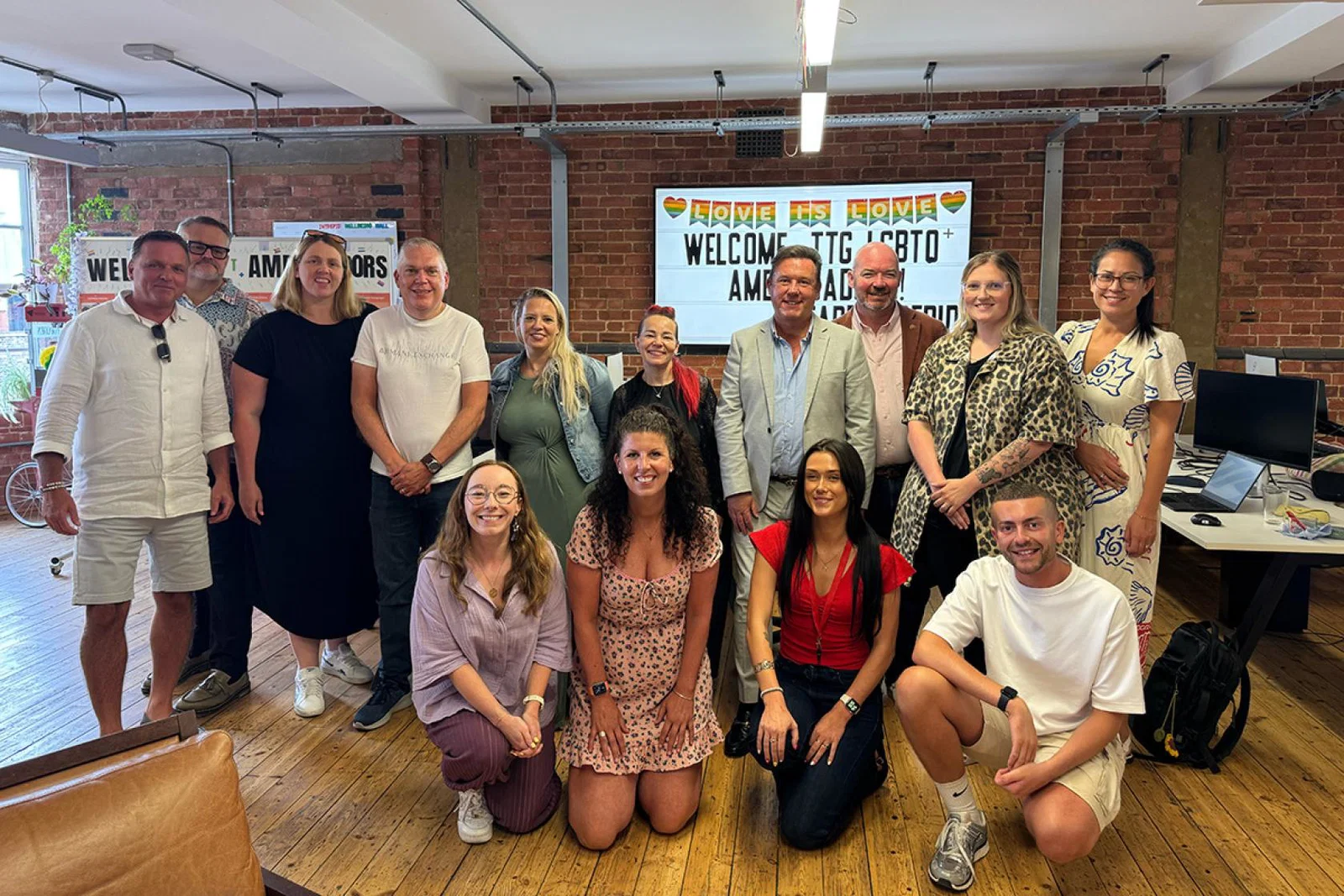
But don’t run before you can walk. It’s essential to ensure you’re able to cater to every need of every LGBTQ+ traveller, should a relevant enquiry come in. How? This was among the discussion points at the first TTG LGBTQ+ Travel Ambassadors workshop of 2026, hosted by TTG, Intrepid and Eurostar, and attended by 12 travel agents undergoing training to become knowledgeable ambassadors.
Here are five actions the group decided travel agents should be taking, to make sure they're providing a welcoming, inclusive and trustworthy service for the LGBTQ+ community.
Understand safety is a concern, and highly subjective
The Human Dignity Trust reports there are 66 jurisdictions around the world that criminalise same-sex activity, while 59% of LGBTQ+ travellers have experienced discrimination when travelling according to Globetrender/Booking.com. Every LGBTQ+ traveller – whether they’re lesbian, gay, bisexual, non-binary, transgender, questioning, intersex or asexual – will have concerns unique to them, and these concerns will differ depending on who they’re travelling with. Some may wish to adopt a secondary persona to travel (41% have taken this route according to Globetrender/Booking.com), while others may not. And sometimes, that simply won’t be an option.
Don’t make a one-size-fits-all assumption, but the following graph provides a general guide to safe destinations for LGBTQ+ travellers.
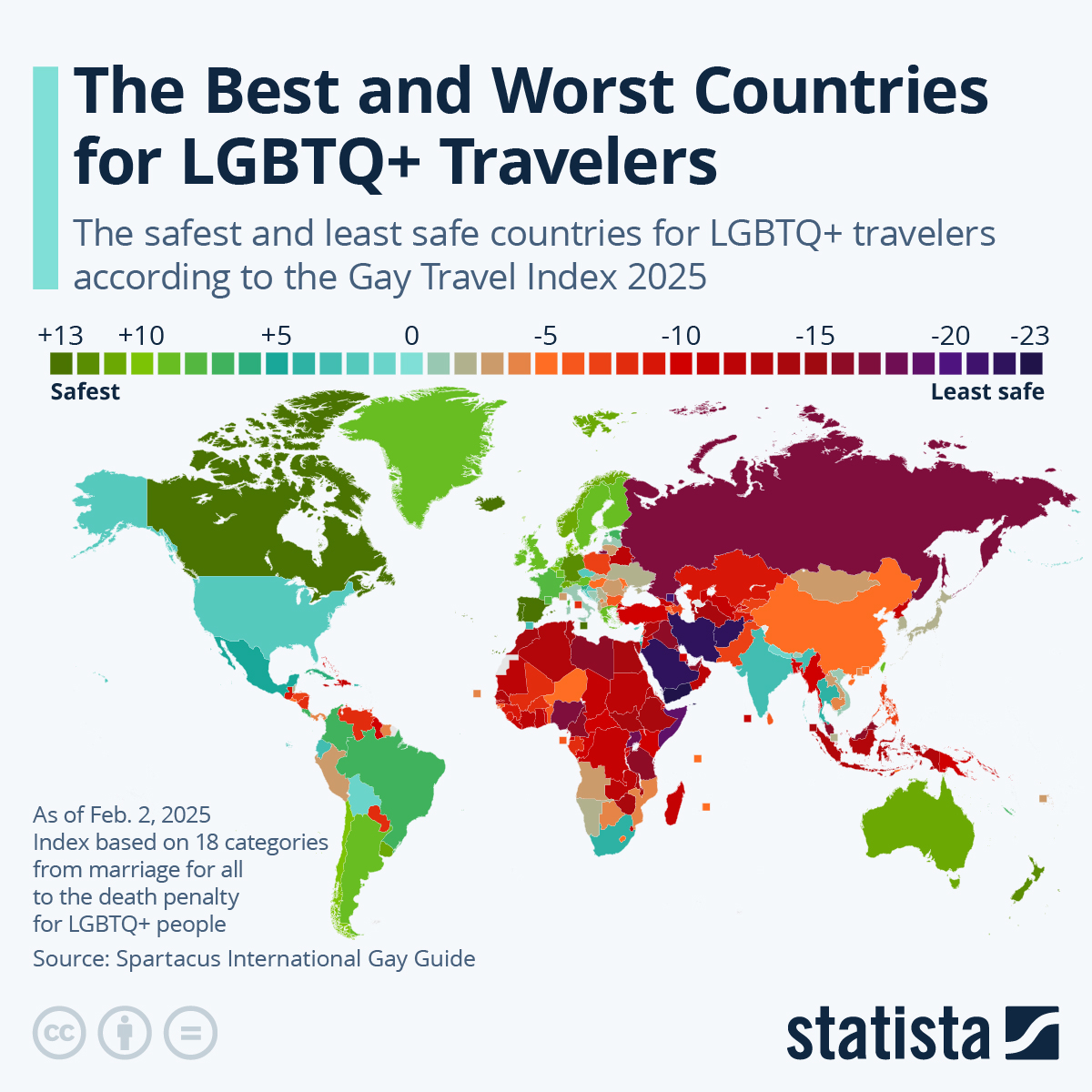
It’s also important to note a country’s legislation may not reflect a visitor’s experience on the ground. For example, some destinations with archaic laws may well have developed welcoming and inclusive communities in more recent years, or a destination considered LGBTQ-friendly on paper may have pockets of hostility.
Other recourses you may find helpful include the Pew Research Center Fact Sheet, which tracks the global landscape of marriage equality and hosts the complete list of 39 countries where same-sex marriage is legal, and the Equaldex Marriage Laws Map.
Assess the whole journey, not just the destination
Airport security protocols and airline policies also need looking into. Might it be worth booking support if a transgender or non-binary person is feeling anxious about gender mis-matches during identity document checks or body scans, or pat-downs by security staff? Can you choose an airline or rail company that has robust inclusivity policies and non-gendered ticketing systems?
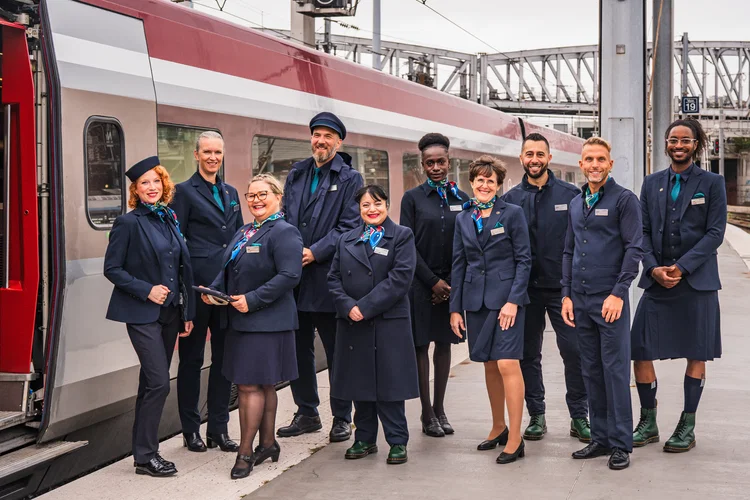
Eurostar, for example, has non-gendered tickets and the company implemented a gender-neutral uniform policy last year. The latter means staff members can choose clothes, hair styles and makeup that match their identity, which has created an immediately welcoming environment for LGBTQ+ passengers.
Choose reputable suppliers who hold their partners accountable
Operators have a responsibility to ensure their hotel partners and staff are equipped to welcome LGBTQ+ travellers. For example, hotels should always check whether twin or double beds are required and staff should never make assumptions about people’s preferred pronouns.
A good example of this in practice is Intrepid, which owns and operates its local Destination Management Companies (DMCs) and directly employs its tour leaders. This allows for strict non-discrimination policies, regular diversity training and the employment of local guides who foster inclusive group dynamics.
Consider the safety and comfort a group tour can provide
Not every LGBTQ+ traveller will feel excited about the idea of a small-group tour, but it’s worth considering – and sharing – the benefits. Travelling in these groups of around 12 people can reduce anxiety about being singled out in unfamiliar destinations and provide a safe space filled with like-minded travellers. Plus, local leaders like those employed by Intrepid understand regional nuances and are trained to encourage and support an inclusive environment.
Aria Sa'id, a transgender woman who visited Egypt (a country where being LGBTQ+ is illegal) with Intrepid, only had positive things to say about the experience, and returned with a newfound admiration for group tours.

Think about creating a checklist
With so much to consider when selling holidays to LGBTQ+ travellers, it can help to do your research and write yourself a checklist, or a range of checklists, catering to different client types (you could even consider using AI to do this, although it's worth thoroughly checking any AI-generated content).
You may want to include asking for preferred pronouns, informing hotels of desired rooming arrangements and advising on any required paperwork for LGBTQ+ family travel. There could also be prescription medications to consider general reminders for (such as keeping them in the original packaging alongside a copy of their prescription).
Ultimately, these tips will help you provide the best customer service to any customer who happens to walk through your door or drop an enquiry into your inbox.
You may also be interested in “Mistakes agents make when selling LGBT+ holidays – and how to avoid them” and “Nine do’s and don’ts of marketing to LGBT+ travellers”.