





Over a fifth of UK adults listen to one or more podcasts a week according to Ofcom, with the numbers steadily rising. Nearly a quarter of those enjoy travel shows on at least a weekly basis.
There are surprisingly few travel industry podcasts however, which means plenty of scope for agents to set up their own to engage clients. Existing trade podcasts can meanwhile provide valuable business advice.
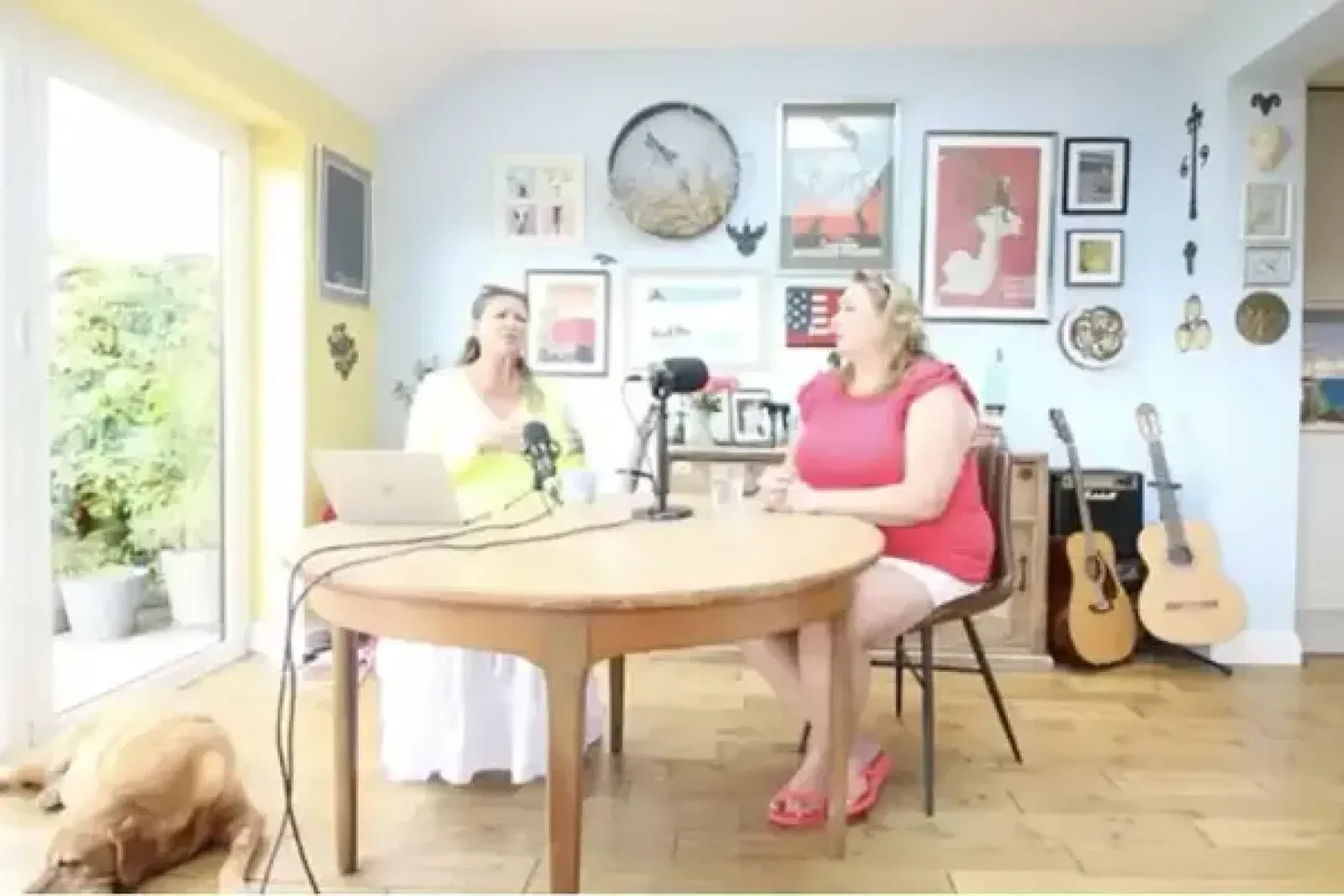
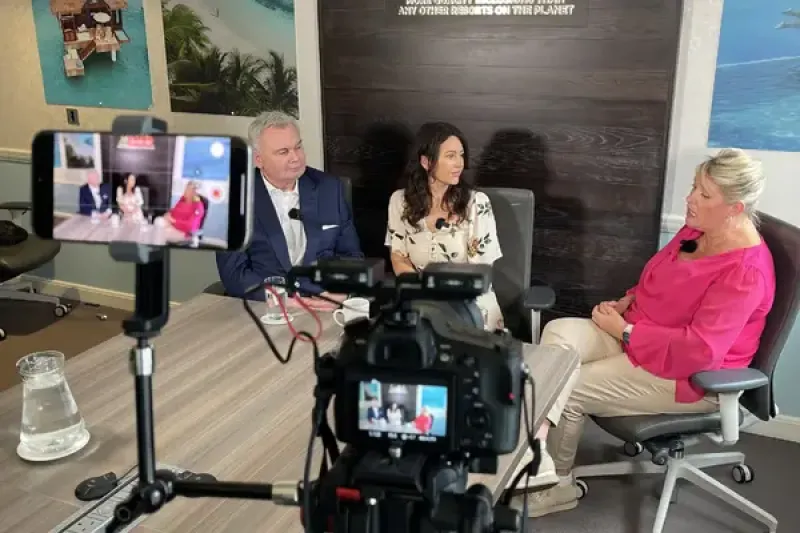
Travel Counsellor Jo Shayler-Tarrant recently took the plunge, aiming to “engage with my clients on a regular basis in a manner [which means] I’m not always selling”. She also sees her podcast as another channel for client referrals.
In conversation with her friend and travel buddy, her first show was a top five of hotel gripes from family and clients. “I don’t want to make a series of podcasts that are all about negatives in the industry, but I want it to be irreverent, because that’s me,” she says. For future episodes, she’ll invite suppliers and clients she has a good rapport with to be guests.
Thanks to a technical hitch, it took half a day to record her first hour-long show. In future, she plans “shorter and snappier,” episodes and she’s rethinking her decision to also film for YouTube as it required a separate edit. “The learning curve has been massive,” she admits.
Not Just Travel’s weekly consumer-facing podcast already attracts thousands per episode and is consistently in, and sometimes leading, Apple’s UK top 10 for travel. It covers destination inspiration, travel news, trends and interviews with tourist boards and airlines. Recent episodes have included Why River Cruise is Booming and Top Eight Winter Sun Destinations, while Thailand, Australia, Sandals and cruise have been top-performing topics.
“As well as being a fantastic educational tool, our network of travel consultants find the podcast a useful marketing tool for reaching out to clients and following up on enquiries," says Steve Witt, co-founder of Not Just Travel and The Travel Podcast.
Clarify your objectives
Other trade podcasts are designed exclusively for agents. Jet2Holidays’ Partners2Success is nearing its 20th episode. Through conversations, Lloyd Cross, general manager of trade sales shares product updates, tips from Jet2Holidays’ bestselling agents, plus career and business inspiration. “There are so many agents with fantastic stories. So many who run businesses that started off as travel agents,” Cross enthuses. Besides Jet2Holidays’ team, interviewees have included Idle Travel owner Tony Mann and Hays Travel CEO Jonathon Woodall-Johnston. Agents can get in touch if they’d like to appear.
For those starting a podcast, Cross advises recording conversations face-to-face for a more natural rapport, adding: “Don’t make it too corporate… add in some humour, be honest and show personality.” As for content, he suggests: “Interview customers about their holidays… maybe tour operators talking about their destinations and key selling points.”
Another trade podcaster, Iberostar uses six-episode seasons to explore hotel trends and insight with celebrity and expert guests. It takes a hybrid approach, UK business development director Aishling McLoughlin explains. “We created podcast episodes which are also relevant for customers to listen to. This ensures our travel agent partners can utilise and share the content…” A family holidays interview with A Place in the Sun’s Laura Hamilton was a prime example.
McLoughlin advises would-be podcasters to clarify their objective: “is it a selling tool, an information tool or just a fun project?”; to structure episodes by planning conversation points but remain “natural and unscripted”; and to always pre-test equipment.
Here’s the know-how
The technology needed for podcasts is relatively low budget. On the recommendation of her sound engineer husband, Shayler-Tarrant bought three microphones and cables, an interface to connect them to her laptop and editing software, totalling around £500. She used CapCut (capcut.com) to edit her video for YouTube, and BuzzSprout (buzzsprout.com), whose plans range from free to $24, to host and promote her podcast and track its downloads. Cross, meanwhile, uses the free edition of editing and distribution software Riverside (riverside.fm) which also allows him to create transcripts.
Professional studio hire is another option. In London and Manchester, podcasts specialist Outset Studio (outsetstudio.com) offers attractive backdrops and synched audio and video recording. Most clients book an hour (from £84) to 90 minutes’ studio time. CEO and founder Michael Olatunji says planning is important. “What are you trying to get out of your podcast, what’s your theme or aesthetic? Be very clear about what your vibe is.”
Secondly, he advises being prepared to run a podcast solo if a guest is unavailable. Agents’ analysis or tips make “evergreen content” he points out.

Thirdly, he stresses consistency with brand, tone of voice and scheduling, even if only running 30 or 60 minutes fortnightly or monthly. He recommends recording in five- or six-episode blocks, “then while those are being released, record your second series”.
To maximise a show’s reach, editing video into different formats for YouTube and social media helps. Video clips, or even graphics or pictures with a sound clip, can be used as teasers. Olatunji stresses SEO is also important, so creators should describe each episode’s content in its title and provide a transcript if possible.
As for the effectiveness of a business podcast, the indications are encouraging. US-based Travel Trends with Dan Christian, which features international guests, is Apple’s top-ranking B2B travel podcast. Speaking at WTM in November, Christian highlighted research showing media marketing engagement averages 3%, yet nearer 30% for podcasts, with listeners more likely to “retain that information and take action”.
Jet2Holidays’ Cross is enthusiastic about the medium’s potential for agents: “I totally think there’s a massive gap in the market. Someone needs to snap it up… it’s a great way to connect.”