





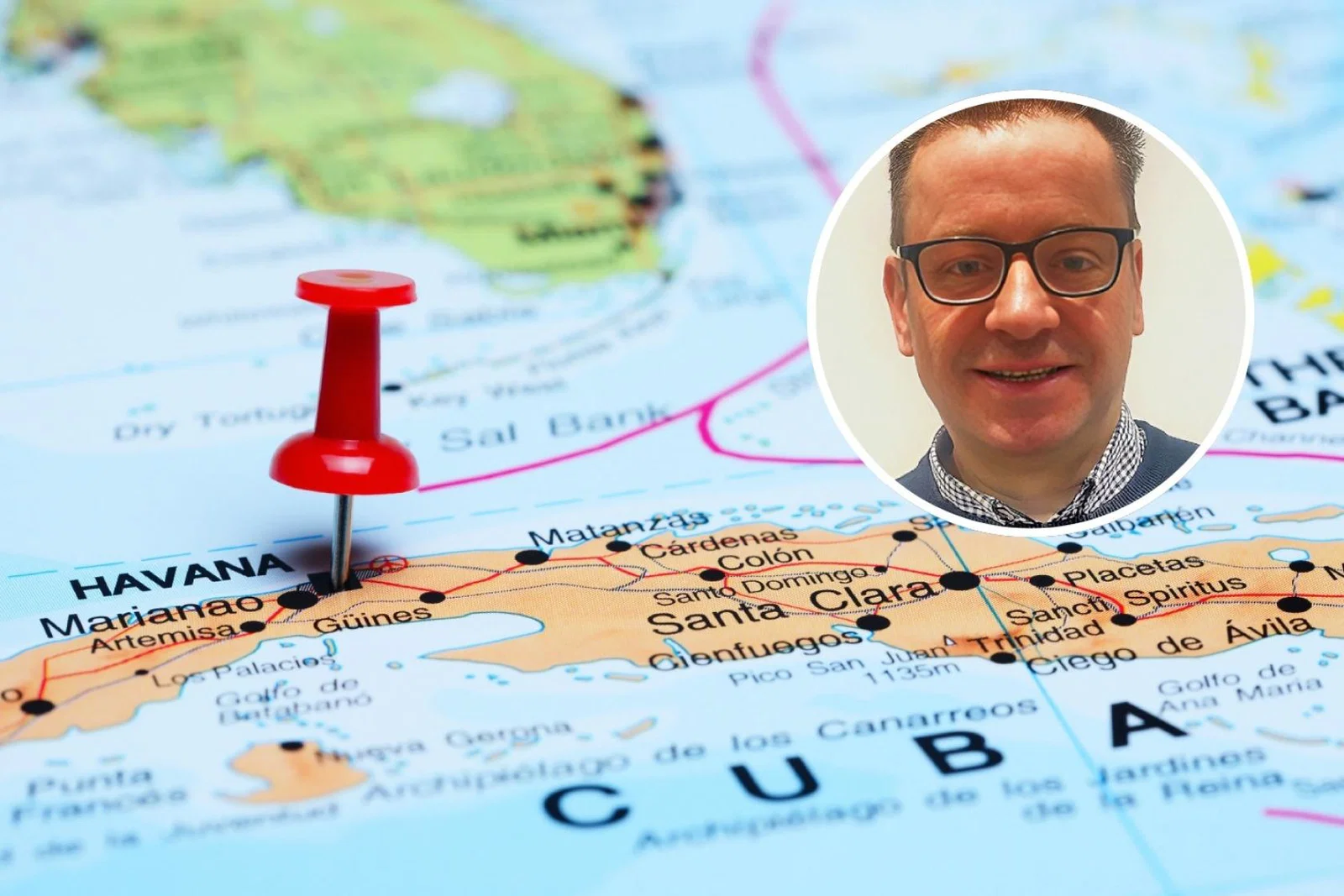
Most evenings my phone pings with chatty WhatsApp messages from our colleagues in Cuba. They are fun and friendly messages, checking in on UK events, the latest football stories and family news. They are lovely to receive; however, they hide the sad reality that life is very tough for Cubans right now.
As my last TTG article (published 20 February) highlighted, the situation in Cuba has taken an unprecedented turn for the worse. The surprising events in Venezuela, when the United States Government seized Nicolas Maduro in an audacious operation, led quickly to all oil shipments to Cuba stopping.
Since February the island has received only one humanitarian shipment of oil from Russia – that’s it.
The consequences for the local people have been catastrophic and they face constant power cuts and an average of only two to four hours of electricity per day.
There are growing food shortages, huge price rises for basic items, and piles of uncollected rubbish accumulating. Most worrying of all, Cuba’s excellent health service is under severe strain leading to increasing health concerns from lack of medicines and fuel to allow hospitals and clinics to operate.
Protests are increasing on a local level; they take place after dark where neighbourhoods fill with the sound of pots and pans being struck. These are among the only forms of protest considered relatively safe in a country where dissent can carry serious consequences.
Tourism has temporarily collapsed, and many involved in the sector are now losing their jobs and income. Most airlines have stopped flights, with Air Europa being the only airline now flying to Cuba direct from Europe. The important Canadian market is no longer connected directly by flights and hotels are closed or have very few guests.
Sanctions increased
If things were not bad enough, the United States Government further increased its stranglehold on the island on 1 May by increasing the severity of its sanctions. Among many new measures came an aggressive stance towards any international company involved with Cuba.
This has directly led to the major international hotel chains such as Melia Hotels, Iberostar and Blue Diamond either pulling out of Cuba completely, or severely reducing their management contracts with Cuba’s hotels.
These increasing sanctions have also led to Visa and Mastercard temporarily pulling out of Cuba, causing more distress for the locals, and dramatically affecting local and international commerce.
All these measures take place with the menacing news that a United States aircraft carrier and other warships lie close to Cuba in the Caribbean.
High-level diplomatic talks
However, behind the scenes interesting developments continue to take place.
We’ve seen a visit to Havana by the Director of the CIA for very high-level talks, a meeting between Cuban and USA military leaders at the infamous Guantanamo Bay in Cuba. Continued dialogue between United States Secretary of State Marco Rubio and representatives of the Cuban Government, with rumours continuing of involvement by the Vatican.
Many hotels remain open under the management of local Cuban chains, and are looking forward to a summer high season from domestic tourism and Cuban immigrants. Incredibly, despite all the sanctions, there are still three daily flights a day between Miami and Havana.
It’s been a little more than three months since the oil stopped, and a lot since then has happened What will the situation be for Cuba in another few months? Could we see life stabilising after a compromise between Cuba and the USA?
Those who WhatsApp me each evening are desperate to welcome visitors to their amazing island again.
Matthew O'Sullivan is a travel specialist at Archipelago Choice. He is the former owner and director director of specialist tour operator Captivating Cuba and has 35 years' experience working in and with the destination.