




In a summer when consumers have various reasons to reconsider travelling to some of their favourite destinations, Turkey (officially known as Turkiye) is holding a couple of ace cards up its sleeve.
It’s not part of the EU Entry/Exit System (EES), which has been the cause of so many border delays, its beach resorts are perceived as safe to visit, and lesser-known areas of Turkey have just been profiled on BBC’s Race Across the World.
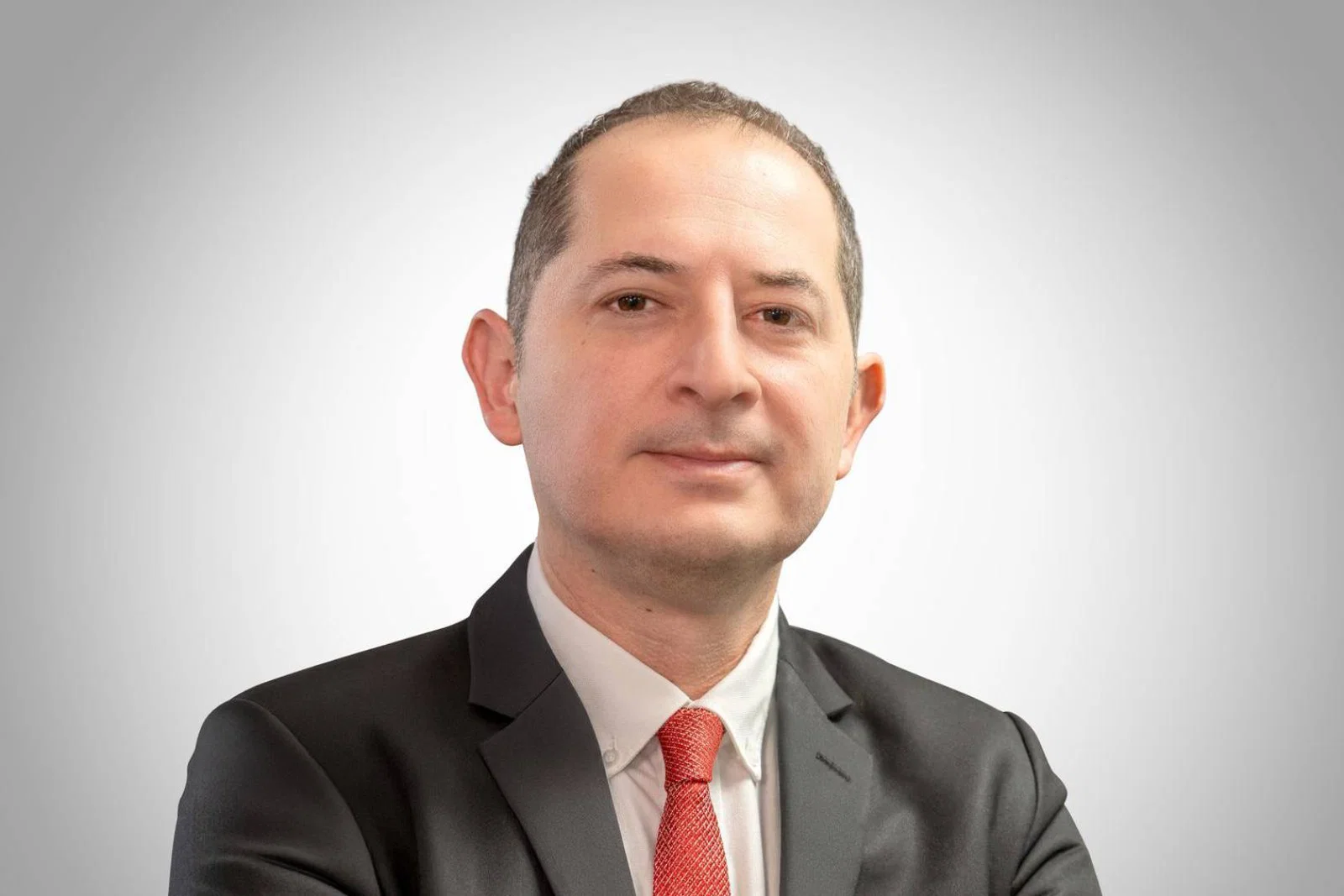
Sinan Seha Turkseven, General Manager of Turkey Tourism Promotion and Development Agency (TGA), believes the destination is benefitting from not being tangled up in EES bureaucracy.
He tells TTG: “Turkey’s position outside the EU Entry/Exit System continues to ensure a streamlined and familiar entry experience for UK travellers, offering an advantage in ease and efficiency.”
He does not want to comment on whether Greece pressing pause on EES has ramped up the competitive rivalry between the two touristic destinations, but he does stress that a seamless arrivals process is not Turkey’s only competitive advantage: “It also lies in our scale, diversity and year-round offering, combining cultural depth, coastal tourism, gastronomy and emerging niche markets such as wellness, archaeology and experiential travel.”
Strong growth
The lead-up to this year has been positive. The UK market remained one of Turkey’s most important source markets in 2025, with over 4.2 million British visitors recorded for the year. With these figures, Turkey maintained its position as one of the top three global destinations for UK outbound travel, and UK visitation grew by over 30% between 2022 and 2024.
Tourism revenues have also risen by 24% in the last three years, reaching £47.6 billion in 2025, which the tourist board attributes to an expansion of the tourism ecosystem, successfully serving a wide-range of travellers, while simultaneously growing high-value segments including luxury tourism, gastronomy, wellness, yachting and cultural travel.
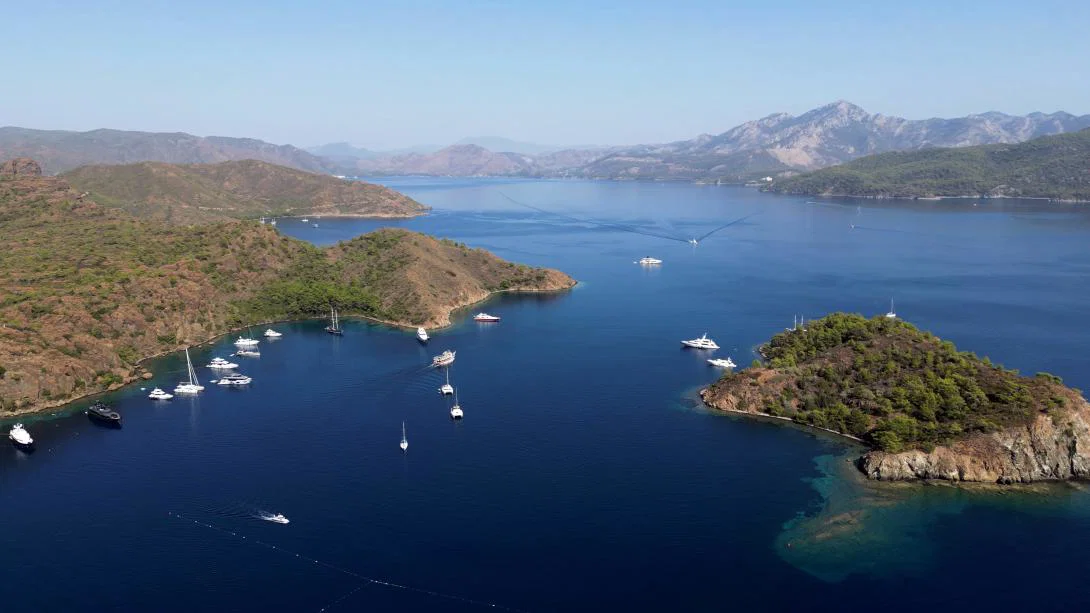
The coastline around Gocek serves as a peaceful yachting hub in the Turkish Riviera
Turkseven adds: “Our outlook for summer 2026 remains positive, and the first quarter of the year provides encouraging early signals. In Q1 2026, we welcomed 9.2 million international visitors globally, with total tourism revenue reaching £7.3 billion, representing a steady 4.2% increase.
“UK arrivals also increased, by 3.4% year-on-year, and these early figures indicate sustained demand from the UK market heading into the summer season. In terms of traveller behaviour, we continue to see British consumers prioritising value, convenience and certainty in their travel decisions.”
However, he does concede that even Turkey’s tourism industry is vulnerable to the economic and geopolitical factors that are prompting travellers to be more cautious this year: “There is evident economic consciousness across all markets we operate in, and we foresee that last-minute reservations are likely to increase,” he says.
'Trust us for operational reliability'
Agents can feel confident booking Turkey, he says, thanks to strong direct connectivity from right across the UK, a wide range of price points, and a diverse tourism offering that reduces the need for complex itineraries.
“Our message to UK travel agents is that Turkey continues to offer exceptional breadth, value and reliability for British holidaymakers,” he says. The destination also wants to be seen as a dependable option in these uncertain times.
“Importantly, Turkey’s tourism industry is highly experienced, operationally resilient, and well-prepared for peak-season demand,” he explains. “Our infrastructure across key destinations such as Antalya, Istanbul, Mugla and Izmir continues to operate to a consistently high standard, supported by strong coordination across the sector.”
Product diversity
Although many Brits to head to Turkey for their classic fly-and-flop-style break, Turkseven points to continued growth in cultural, archaeological and heritage tourism, supported by major restoration programmes and expanded museum initiatives.
“There is strong momentum in both gastronomy and wellness tourism, reflecting growing demand for experience-led travel,” he says.
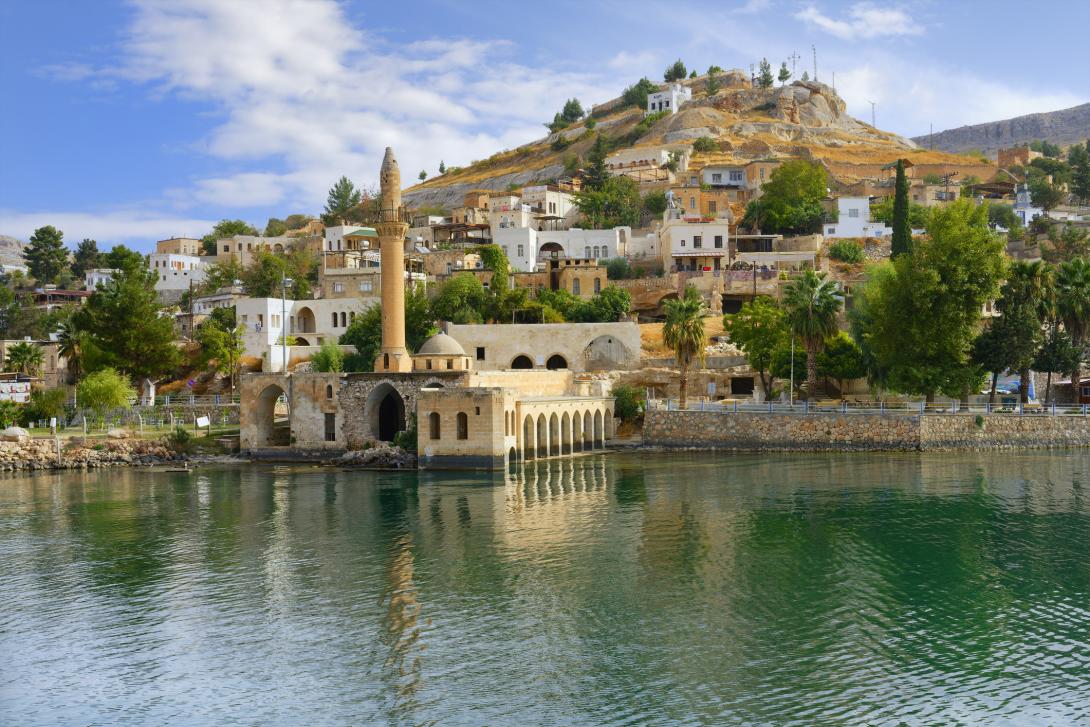
The "Sunken City" of Halfeti was the checkpoint at the end of leg 3 in Race Across the World 2026
A growing calendar of international events is also helping put Turkey front of mind for travellers, including the return of F1 to Istanbul from 2027-31 and the UEFA Europa League Final.
In pushing these, along with seasonality diversification, Turkseven says the tourist board is “working closely” with our key tour operators and airlines by operating co-marketing campaigns.
The British market can also expect a focus on lesser-known Turkey, building on the success of the recent series of Race Across the World, which saw contestants cross the interior of Turkey to reach Georgia.
“Television continues to play an important role in shaping destination awareness,” says Turkseven. “Programmes such as Race Across the World have helped introduce audiences to a broader and more authentic view of Turkey beyond its most established resorts, and we welcome the way such programming highlights regional diversity, local culture and the depth of experiences available across the country.
“Our strategy is to build on this interest by further promoting regional tourism corridors, cultural routes, gastronomy destinations and nature-based experiences.”