


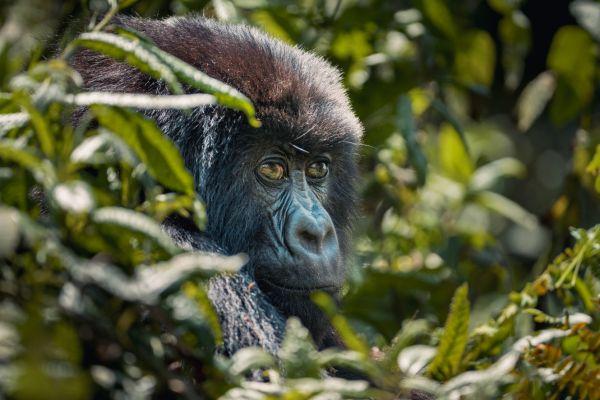
Deep in the middle of the rainforest in Rwanda’s Volcanoes National Park, we catch only the vaguest hints of what’s lurking behind a clump of leaves; a patch of black fur, a snout, a few fingers.
The group falls silent, barely breathing, as we strain to hear some very satisfying-sounding grunts and chomps; something in there is tucking heartily into lunch.
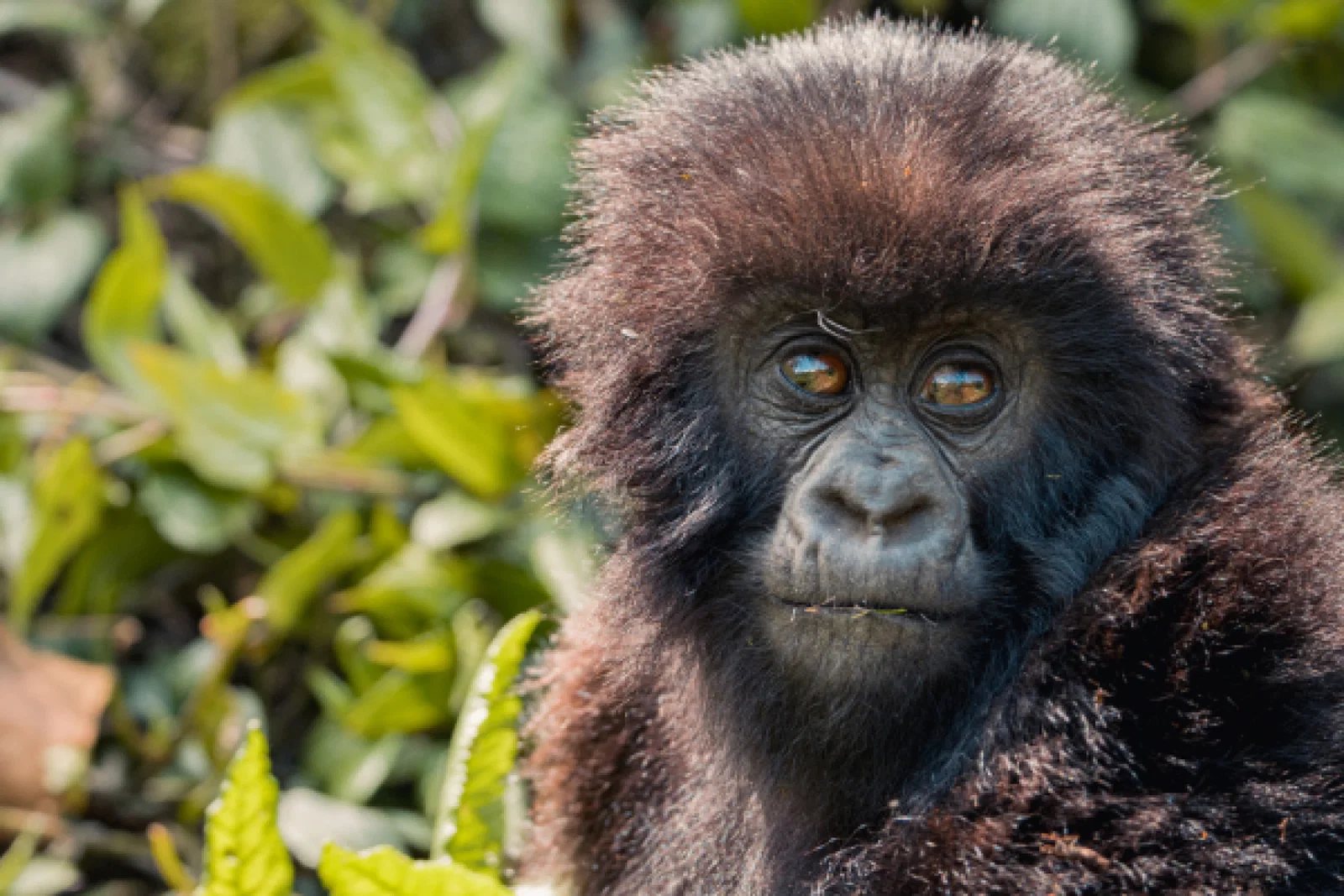
Then, with a gentle signal from our tracker, who, along with his colleagues, interacts with these creatures every day, we edge sideways, and suddenly there she is. A young female gorilla, named Urahiriwe, sits calmly plucking handfuls of greenery to scoop into her mouth.
Just seven years old, she’s part of the Sabyinyo family, one of several which inhabit the park, but who also travel freely along what is known as the Virunga Massif, a chain of volcanoes in the area where Rwanda, Uganda and the Democratic Republic of the Congo meet.
Make no mistake: this is not necessarily for all clients, as it does need a level of fitness – and patience. We’ve trekked for two and a half hours to find this family, and can consider ourselves lucky; some groups who come to view gorillas here can be walking, and waiting, for much longer.
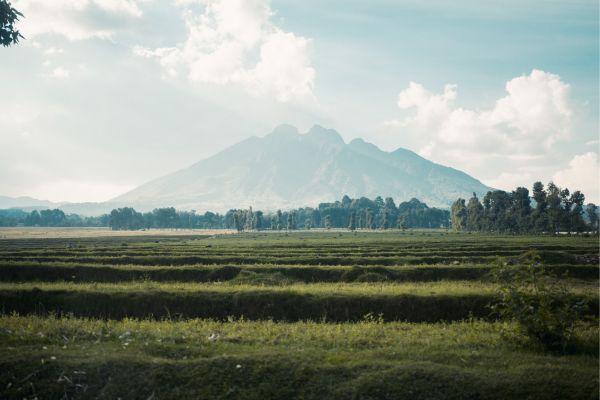
Volcanoes National Park is home to Mount Karisimbi, Rwanda's tallest mountain
Beside me, one of my fellow trekkers, Theodore, is becoming emotional. A 30-something teacher from New Jersey, he’d struggled to reach this point, largely because our route to the park entrance (there are several different ones) was, to put it mildly, tricky. There were a few moments when I didn’t think I was going to make it either, having fully forgotten about the effects of altitude.
But of course it was all worthwhile for this absolutely jaw-dropping, bucket-list experience. Then it gets even better. In a nearby clearing, two playful juveniles somersault from bushes while their mother looks on with weary indulgence. And then, the most awe-inspiring sighting of all.
First, it’s only a glimpse: a flash of argent moving at pace through the undergrowth. But then he turns around, making piercing, and rather uncomfortable, eye contact. It’s the silverback of this group: the alpha male, the protector, the father. He weighs approximately 430lbs and stands around 5ft high; he is utterly magnificent and utterly terrifying, and we’re essentially invading his territory.
Our trek began at 2,400m, winding through lush farmland before climbing into the dense rainforest and we might even, warned our guide, park ranger Jovit Siborurema, reach around 3,000m, depending on where these gorillas headed today in search of food. I was breathless and panting all the way to the entrance (from where things thankfully leveled off).
I ask Theodore how he’s feeling when we eventually see the gorillas: “incredible,” he says with tears in his eyes. “I’ve wanted to do this since I was 13 years old, watching Animal Planet with my brother. I can’t believe I’m actually here.”
Why it matters
That sense of awe is exactly why gorilla trekking in Rwanda, known as the “land of a thousand hills,” has become one of the world’s most sought-after wildlife experiences. But not only does this give humans the life-changing experience they’ve been looking for; it’s life-changing for this species too. The country has become something of an ecological success story.
Volcanoes National Park was actually Africa’s first national park, established in 1925 to protect the gorillas from poachers. Despite this, by the 1980s, the country’s gorilla population had plummeted to just 230–250, from a total of around 400–500 in the 1960s. This had become one of the most critically endangered species in the world.
This crisis was only reversed thanks to the tireless efforts of conservationist Dian Fossey and it’s worth a visit to the Ellen DeGeneres Campus of the Dian Fossey Gorilla Fund nearby to understand the work she did. Today, the latest (pre-Covid) census shows a much healthier number of more than 1,000 in the wild, with more babies being born every year.
Protective measures are far-reaching; just 96 visitor permits are issued daily, each allowing a maximum of 60 minutes in the company of the gorillas.
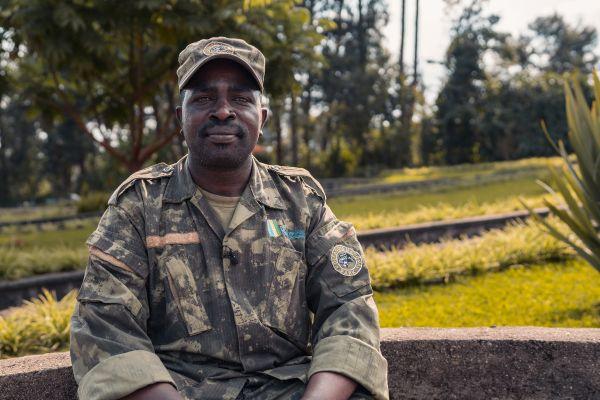
Park rangers guide the treks through lush farmland and dense rainforest
At $1,500 (£1,115) per person, the cost is steep, but essential. Revenue funds habitat preservation and directly supports local communities, with 10% reinvested into schools, health centres and roads. A compensation scheme ensures farmers are reimbursed for crop damage, helping to foster harmony between local people and gorillas. The industry also sustains livelihoods, employing rangers, trackers, porters and lodge staff.
Now, in the park’s anniversary year, there are plans afoot to ensure the number of gorillas keeps on growing, thanks to new government-led initiatives.
“We are hoping to extend the park by around 500 hectares, buying back farmland that was once the gorillas’ habitat,” explains our ranger Jovit. The project will return vital bamboo forest to the animals, attract more visitors, and ensure the gorillas’ survival well into the future.
Life beyond the jungle
Certainly, in terms of tourism, Rwanda as a whole has turned itself around. After the horrific genocide of 1994 – a sobering, angering trip to the Genocide Memorial museum in the capital, Kigali, is essential to put what happened into some kind of context – visitor numbers are on the increase, particularly in luxury travel.
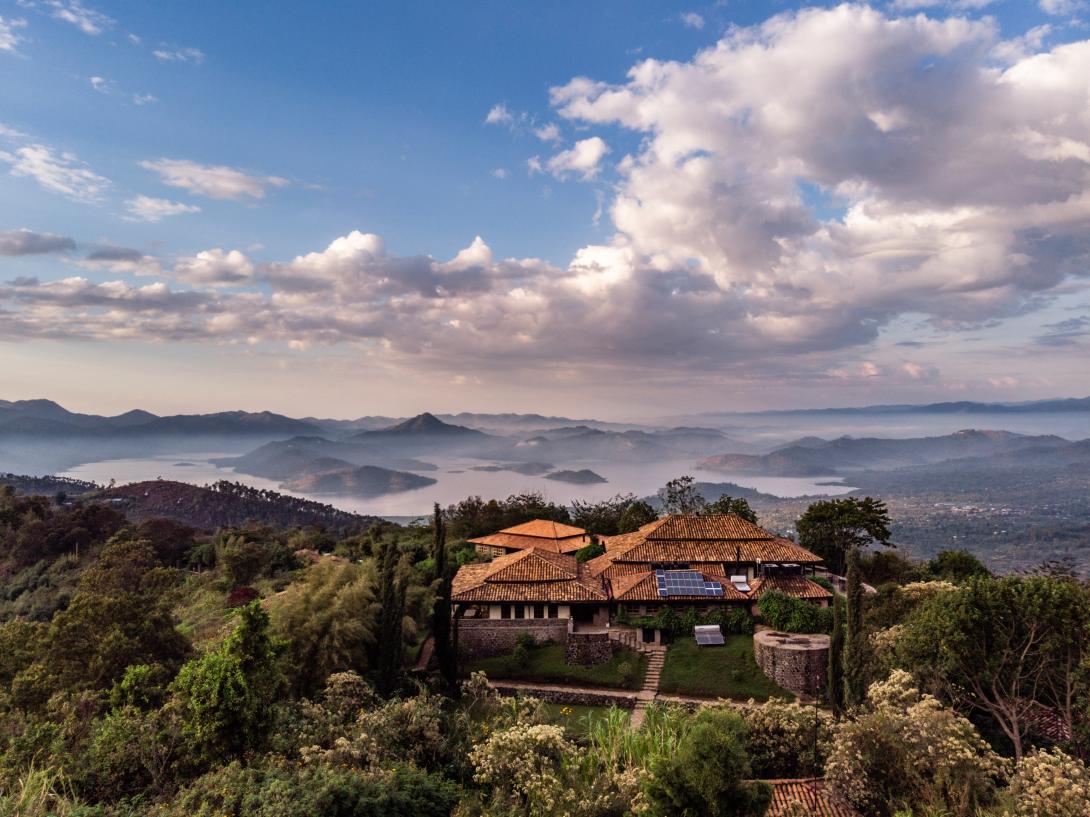
Virunga Lodge, Rwanda
The first hotel I stayed in, Virunga Lodge, was in fact the first luxury hotel to open near the park, in 2004. Consisting of 10 stone-clad “rooms” bigger than my London flat and two cottages, they are tastefully designed with touches of bamboo, wood, wicker and rattan.
Outdoor showers, four poster beds, a working fireplace and wraparound terraces overlooking one of the two lakes we’re perched above, at 2,300m are welcome indulgences. The food is delicious, using local ingredients; expect anything from vegetable curries to beef stew, sautéed tilapia or spiced chicken.
Affluent clients can fly here comfortably too, with a good quality business class product on RwandAir, which is also expecting an investment of around $500 million over the next few years, as well as a potential 49% stake coming from Qatar Airways.
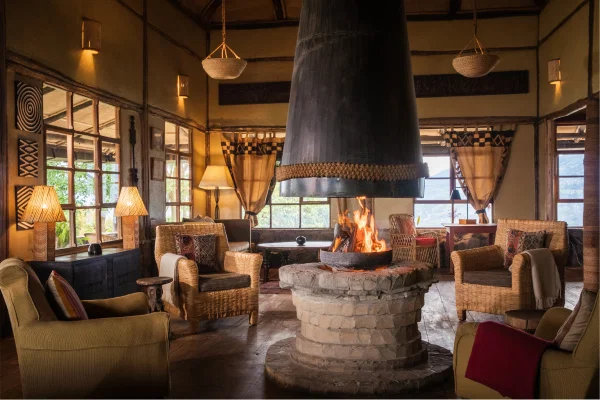
The lounge at Virunga Lodge offers a cosy atmosphere with natural fire
During a stop off in Kigali en route to Akagera National Park in the northeast of the country, I’m one of the first to stay at The Pinnacle, a recently-opened, extraordinary construction of steel and glass, perched high above the city in the upmarket Rebero neighbourhood.
It was originally intended to be a second home for the wealthy family who had it built by South African architect Marinda Bjornstad. Why they decided not to live here, I can’t imagine; the nine vast rooms are all individually and tastefully designed, with the family’s own stylish furniture and artworks scattered throughout. There’s an infinity pool, an on-site bowling alley, several restaurants and a huge spa and fitness centre.
This slick, urban polish couldn’t be more of a contrast to my final luxury stop in Rwanda, Wilderness Camp Magashi. A safari lodge tucked deep within a private reserve, overlooking the shimmering waters of Lake Rwanyakazinga.
There are just eight elegant, tented suites, with an exclusive new development called the Peninsula, with three bigger villas, a restaurant and wellness centre, positioned some way from the main lodge, currently scheduled to open next year. The friendly, welcoming staff genuinely make the stay special, on top of the beautiful, Out-of-Africa design touches in each tent, combined with dusky pink velvet tub chairs, perfect for sinking into while gazing out over the lake from your own private terrace.
The animals, too, are a reminder that it’s not all about the gorillas – with twice-daily game drives seeing us spot hippos, crocodiles, giraffes, zebra, elephants and fish eagles.
Akagera also has its own conservation success story, with the relocation and rewilding of rare white rhino and lions from South Africa helping keep the park as Rwanda’s last remaining refuge for savannah species. It’s a further sign of how this country is doing more than its fair share to ensure its wildest animals not only survive, but thrive, for many years to come.
How to book it
Major Travel offers two nights at Virunga Lodge with one day’s gorilla trekking (including permits) at Volcanoes National Park; one night at The Pinnacle, Kigali; two nights at Wilderness Magashi (full board); business class flights from Heathrow on RwandAir; and VIP meet and greets, from £12,359 per person.