



It’s often said one of the potentially positive impacts of the pandemic has been to force some areas of the travel industry – and the travelling public – to stop and consider the impact the boom in travel of recent years has been having on destinations and the planet in general.
In 2020, we moved from overtourism to undertourism, both of which impact local ecology and economy in different ways. Nobody would want to see the return of overtourism, yet with revenue generated from travel in retreat and the corresponding impact on jobs and local economies, it threw light on the difficult line we walk when considering what is the “right” kind of travel.
One of the starkest impacts of undertourism is the threat to conservation projects built over decades to protect wildlife and assist communities; as the world shut down, funding for rangers, national park protection and contributions from travellers’ stays at lodges, camps and hotels dried up.
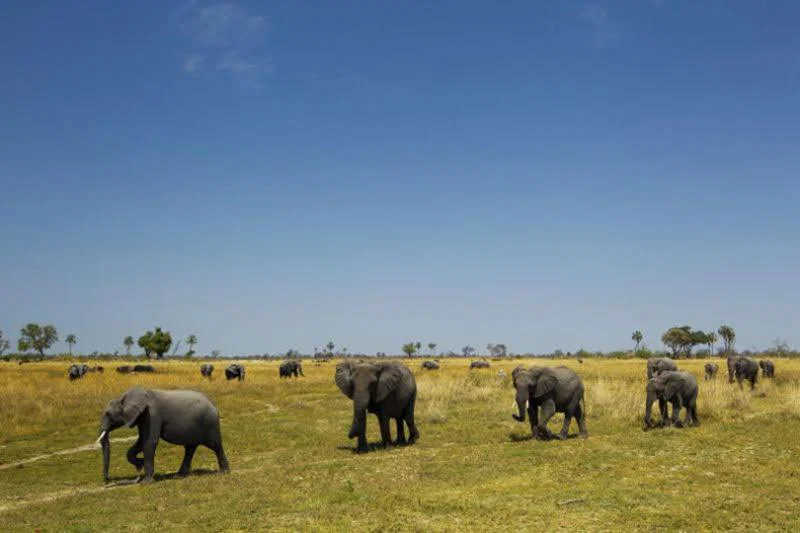
In 2020, stakeholders in Africa did all they could to try and ensure projects still ran and animals were shielded from poachers – and will no doubt have to continue to do so for a while into this year until tourism picks up again.
One of the bright spots of last year was Preferred Hotel Group’s launch of Beyond Green, a new brand to highlight sustainable hotels worldwide whose aim is to promote travel as a force for good. It kicked off with 24 exemplary hotels and resorts in the portfolio, all of which have been extensively vetted by brand leader and global sustainability expert Costas Christ.
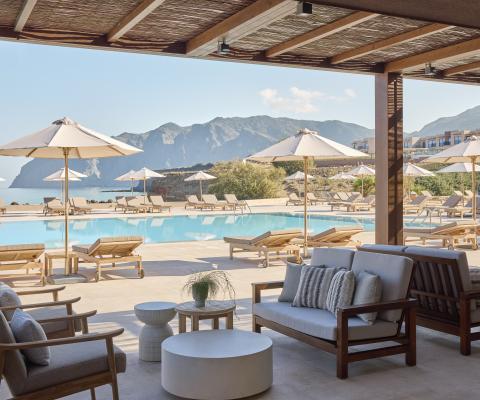
Also new is The Conscious Travel Foundation, designed to bring smaller players together as a collective voice around sustainable tourism. Its five founders are Amy Welfare of AW Private Travel, Henry Comyn of Joro Experiences, Katie Terrington of Katie Terrington Private Travel, Georgina Coke of By Georgie and Olivia Cryer of Olivia Cryer Communications – and there are also now a number of mentors, including Petite Meribel of Sol y Luna (pictured top) and patron Jaisal Singh, wildlife conservationist, and founder of Sujan, one of the most environmentally-conscious hospitality brands in India.
“We’re aiming to champion the positive impact that travel can have and to bring together lots of small voices to amplify where we can; the idea is to break down silos as well so we’re not all pulled in different directions,” says Henry Comyn. “The travel industry has a responsibility to work together on this.”
Plain talking
With 16 safari properties in Botswana, Kenya, and Zimbabwe, Great Plains is built entirely around conservation and sustainable tourism.
It offers the private Eretsha, Life with Elephants tour in Botswana (predominantly from Duba Explorers or Selinda Explorers Camp) where guests are transported via helicopter to the village of Eretsha, where a community live alongside elephants and other wildlife on the edge of the Okavango Delta. Guests meet with local farmers and inhabitants, enjoy traditional transport along with the chance to hear stories of day-to-day life from those living and farming alongside elephants.
How to book it: Audley Travel has eight nights in Botswana, staying four each at Great Plains’ properties of Selinda Explorers Camp and Duba Explorers Camp from £6,545pp (before 31 March), including international flights from the UK, internal flights, all wildlife activities, meals and drinks. The life with elephants tour (including scenic helicopter transfer) has a separate cost of around £412-£642.
Be a rhino ranger
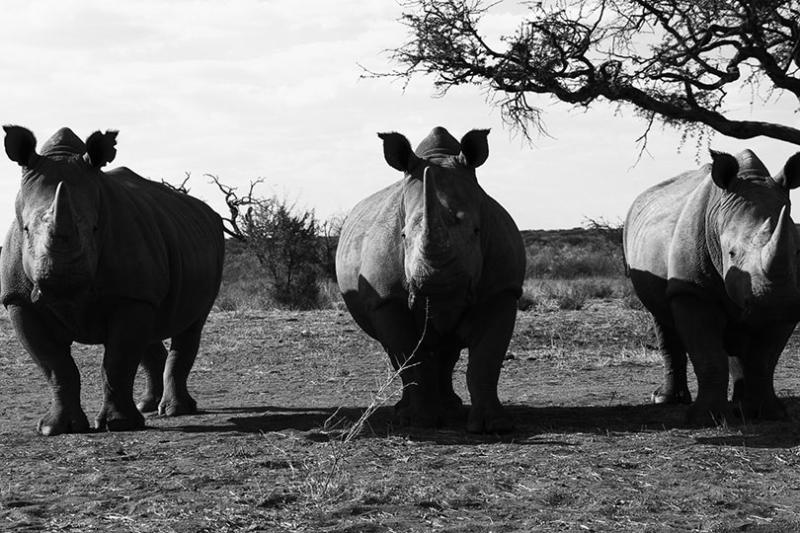
Due to the pandemic, rhinos have never been more vulnerable and potentially exposed, but if clients want to find out more about their plight and the life of the rangers who protect them, point them towards Zannier Hotels Omaanda (it means rhino in the local Oshiwambo language).
Omaanda sits at the heart of the Zannier Reserve – a 9,000-hectare conservation project owned and managed by local NGO, the N/a’an ku sê Foundation – and the Rhino Rangers volunteer programme allows travellers to immerse themselves in the challenging world of anti-poaching. The Zannier Reserve is home to white and black rhinos and employs a team of 12 anti-poachers, who work determinedly to protect the reserve every day and night.
How to book it: The Rhino Rangers programme runs for one- or two-week stints and costs around £90pppn, including food, accommodation at tented camps or sleeping under the stars at observation points, and anti-poaching unit uniform; rates to stay at Zannier Hotels Omaanda pre- or post-programme are around £370pppn (full board).
Stars go green
As part of an evolution of the Michelin ratings, it’s now possible for a chef and their restaurant to gain a Green Star, well, a clover really which, as Michelin says, “highlights the efforts of those operating at the forefront of their field with sustainable gastronomy practices”, including protecting ecological diversity, focusing on local food ingredients and reducing food waste.
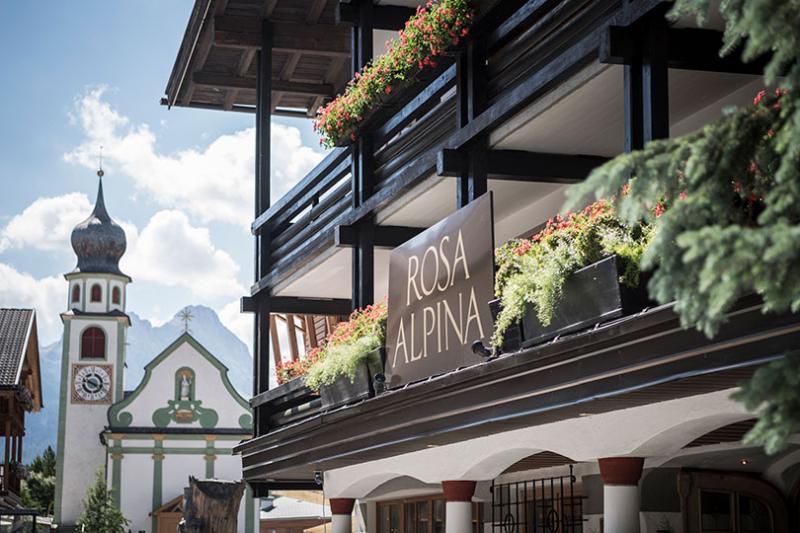
Among recent recipients where clients could make a greener dining choice are Majorca’s Andreu Genestra of Hotel Predi Son Jaumell in Capdepera, who earned the island’s first Green Michelin Star (there are 21 in total in Spain), and Norbert Niederkofler of Rosa Alpina in the Italian Dolomites, where Restaurant St. Hubertus is one of just 13 in Italy to get the newest distinction.