Brexit
Next year’s big unknown is of course Brexit, a concept that for many people seemed inconceivable at the start of 2016.
The government’s line that “Brexit means Brexit” while offering no other detail is an indication of just what a leap into the dark 2017 will be. Prime minister Theresa May has promised to trigger Article 50, the mechanism by which we quit the EU, in March, but the Supreme Court is currently mulling over a challenge from Remain campaigners that means parliament would have to debate Brexit, a move that would slow this process.
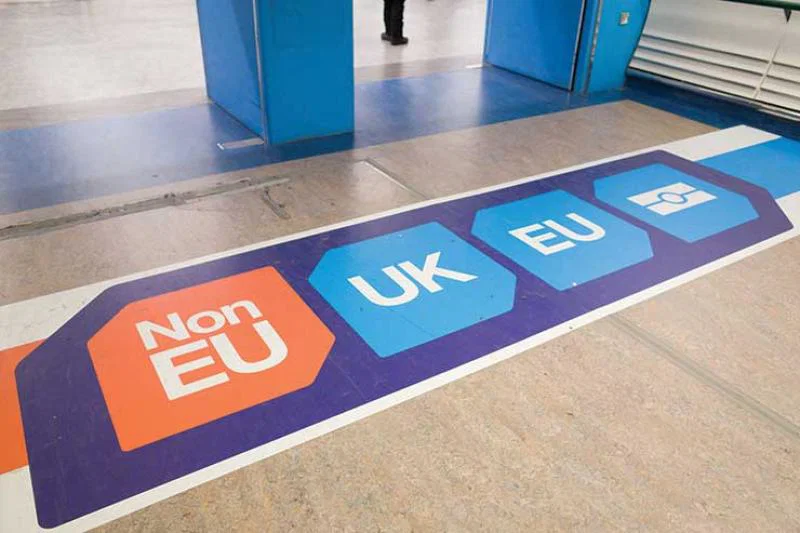
Nothing will change overnight, even if Article 50 is triggered in the spring, and changes to the Package Travel Directive will still come into play in 2018. There are, however, some big issues for the future that will have to be negotiated: Will we be queuing in non-EU passport lines after Brexit? What if airlines had to cope with the loss of open skies in Europe? And what about reciprocal healthcare agreements?
If talks go well, these issues will be overcome, but the UK is not flavour of the month in Brussels, so it could be a rough ride.
Some are already making preparations; Ryanair, for example, is scaling back expansion in the UK in favour of EU countries, while reports suggest easyJet is considering putting a plaque on a door somewhere in Europe as a nominal headquarters in order to remain an EU company.
As far as politics is concerned, there will be a lot of hot air in 2017, but nothing is likely to happen on Brexit until well into 2018. The problem is that the public sometimes does not understand this, so any uncertainty may affect early bookings. On the other hand, with Egypt and Tunisia in effect closed for UK tourists and areas such as Tenerife bursting at the seams, some may want to secure their break as early as possible.
Currency
This is the most tangible effect of Brexit so far. The day after the referendum on June 23, the pound fell sharply against the euro and the dollar, with the fallout still being felt. You have to look back to 1985 to see the pound as weak as it was against the dollar and while it has recovered a little since it first plummeted in June, current rates of around $1.23 and €1.18 are a shock to the system.
The most obvious and immediate effects have been on in-resort costs, with holidaymakers this year perhaps thinking that 2017’s trip might be too expensive for them and operators already reporting more demand for all-inclusive packages. The ski market will probably be hardest hit because in-country costs, which apart from in the most basic of resorts are never cheap, may seem unacceptably high this season.
Next year does not look good for companies paying for travel components in euros and dollars – and that means anyone running a tour operation, airline or cruise company. Fuel and aviation prices are costed in dollars and accommodation in all the mainstream destinations favoured by UK consumers is priced in euros.
At the moment, currency hedging is softening the blow for some, but already at least one prominent operator has been exercising its right to surcharge up to 10% on packages that were costed pre-Brexit. As 2017-18 winter programmes emerge based on new hedging contracts, the effects of the currency movement will become more apparent, with a commonly agreed figure of a 15-20% price hike in the offing.
If there is some good news from all this, it’s from inbound operators, which report the beginnings of a so-called “Brinflux” (as coined by the US) with British Airways claiming a one third increase in searches from US consumers on its website in the week after the referendum.
Air
The big news in the airline sector in 2016 was the approval of Heathrow’s third runway. Just before Christmas, Heathrow began preparing its initial planning application for expansion, but as this commenced with a wildlife survey only, it is a dead cert that 2017 will not see the bulldozers move in. The first of the many expected legal challenges will probably not even begin in 2017, so at the moment the only winners in the continued lengthy battle are the advertising agencies that Heathrow and Gatwick enlist, whose Christmas party was probably the best ever.
More of a concern to airlines is the fall in sterling against the dollar, in which fuel and aircraft are bought. As with packages, this increase will be passed on to the consumer, probably late in 2017. There is additional pressure on fuel costs, with prices having moved from a low of around $35 a barrel a year ago to the current $50 and predictions of a rise to $60 in 2017.
Despite the fall in the value of sterling, next year will see battle really commence across the Atlantic, with budget airline Norwegian and IAG’s British Airways and Aer Lingus all increasing capacity, and BA seemingly really gunning for its Scandic rival at Gatwick, with new flights to Fort Lauderdale and Oakland, routes that Norwegian opened up. Norwegian’s threat to conventional carriers will become more real if it seals the much-rumoured deal with Ryanair to feed its new US flights from Shannon and Cork.
Thomas Cook will move further into the budget scheduled arena next year, with the launch of seat-only sales from Gatwick to Barbados adding to its scheduled US flights from Manchester.
Cruise
Around eight large ocean-going vessels are due to be launched in 2017, starting this month with the launch of Seabourn Encore in Singapore. This year will also see the delivery of MSC’s Meraviglia, which with space for 5,700 passengers, will be one of the largest ships in the world by capacity. Although at 167,600 tonnes, it will still fall short compared with Royal Caribbean’s Oasis class, at 225,000 tonnes.
Other maiden voyages next year will be from Silversea, whose 40,000-tonne Silver Muse will be the largest vessel in its fleet, carrying nearly 600 passengers in an all-suite format. Late 2017 will see another small ship debut when Star Clippers launches the 300-passenger Flying Clipper, a five masted square-rigger.
In terms of ocean-going launches, this year will be roughly on a par with last, when nine new ships entered service.
Destinations
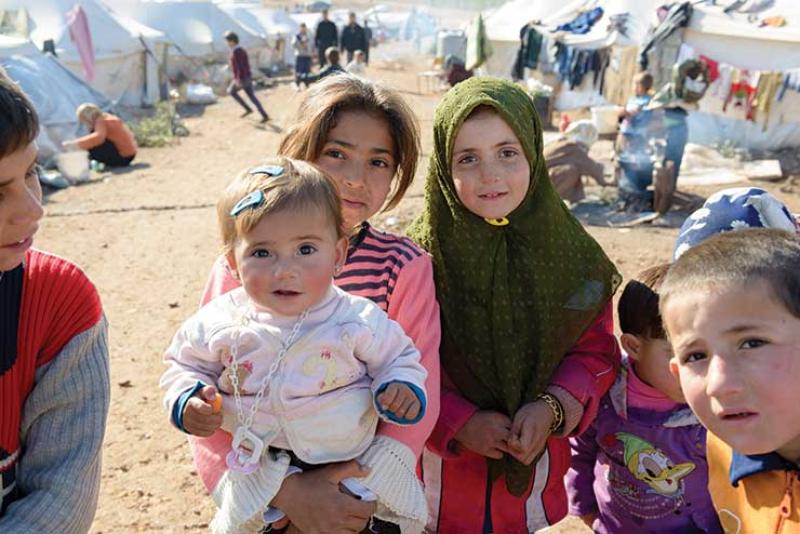
The war in Syria will continue to dissuade many from travelling in the Middle East
With all the new flights heading across the pond, it should be the US’s year, but there are two big spanners in the works, namely sterling’s slump and the election of Donald Trump, both of which may make some potential visitors think again. There are signs of a switch already. GfK’s Travel Leisure Monitor in October found bookings to the US were up only 1% and Florida completely flat.
Next year could be South Africa’s time, with Thomas Cook and British Airways providing more flights to Cape Town on the strength of a pound buying 17 rand, but this winter, it looks like the Caribbean is the big winner, up 21% year-on-year, with the eastern Caribbean leading the way. In the west is Cuba, whose UK numbers jumped 26% from 124,000 to 156,000 in 2015, but with the influx of US visitors expected in 2017 and pressure on hotel rooms, this rate may be difficult to maintain.
Nearer to home, the pre-Christmas bombings in Cairo and continued Sharm programme cancellations, probably mean Egypt’s 2017 is already over while Tunisia does not look like a contender this year either and many will be nervous about Turkey. Their removal from the mainstream market means winter sun options are more limited, and capacity in other destinations squeezed, with Tenerife having reached a record two million UK visitors in 2016.
Next winter may well see price rises in areas such as the Canaries, but destinations like this will need to be very careful that they do not do so at a time when sterling’s weakness has already prompted price hikes.
Spain, Portugal and Greece will make hay this year, but there is added tension that as these destinations attract visitors from all over Europe, hoteliers may be less keen to give rooms to UK operators whose clients don’t have the euro as their native currency.
Politics and global events
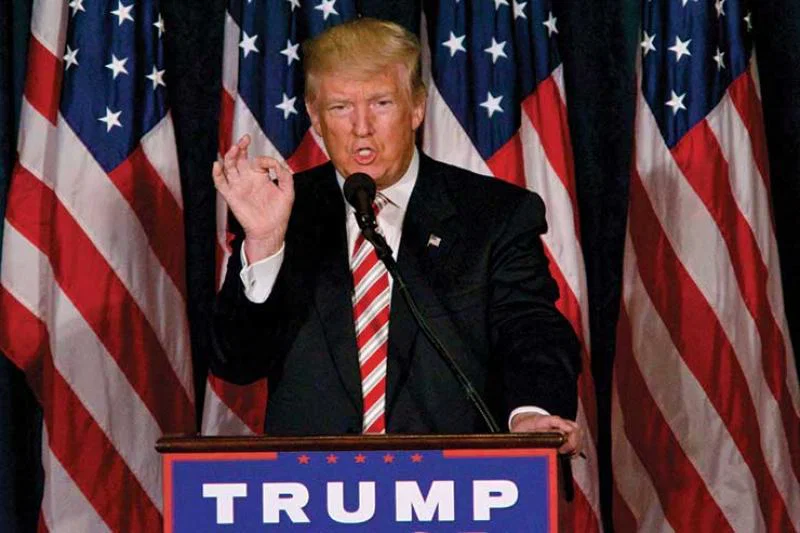
The big one has to be the inauguration of Donald Trump as US president. Apart from the potential effects on US tourism, any knee-jerk reaction regarding what he perceives as a terrorist threat could mean reluctance by some to travel anywhere.
The continued war in Syria means the Middle East as a whole will remain an area many will not want to visit in 2017, although so far, there has been no impact on nearby Cyprus or on the Gulf countries’ airlines.
On a less disruptive level, unlike 2016, next year presents no major global sporting tournaments to distort travel patterns, aside from the rugby Lions tour. However, now that hotel rates in Brazil have fallen following the Olympics, the country might start to reap the tourism benefits.
Nearer to home, the debate about Air Passenger Duty in England and Wales is likely to be revived following the Scottish government’s recent pledge to reduce rates by 50% from April 2018.