







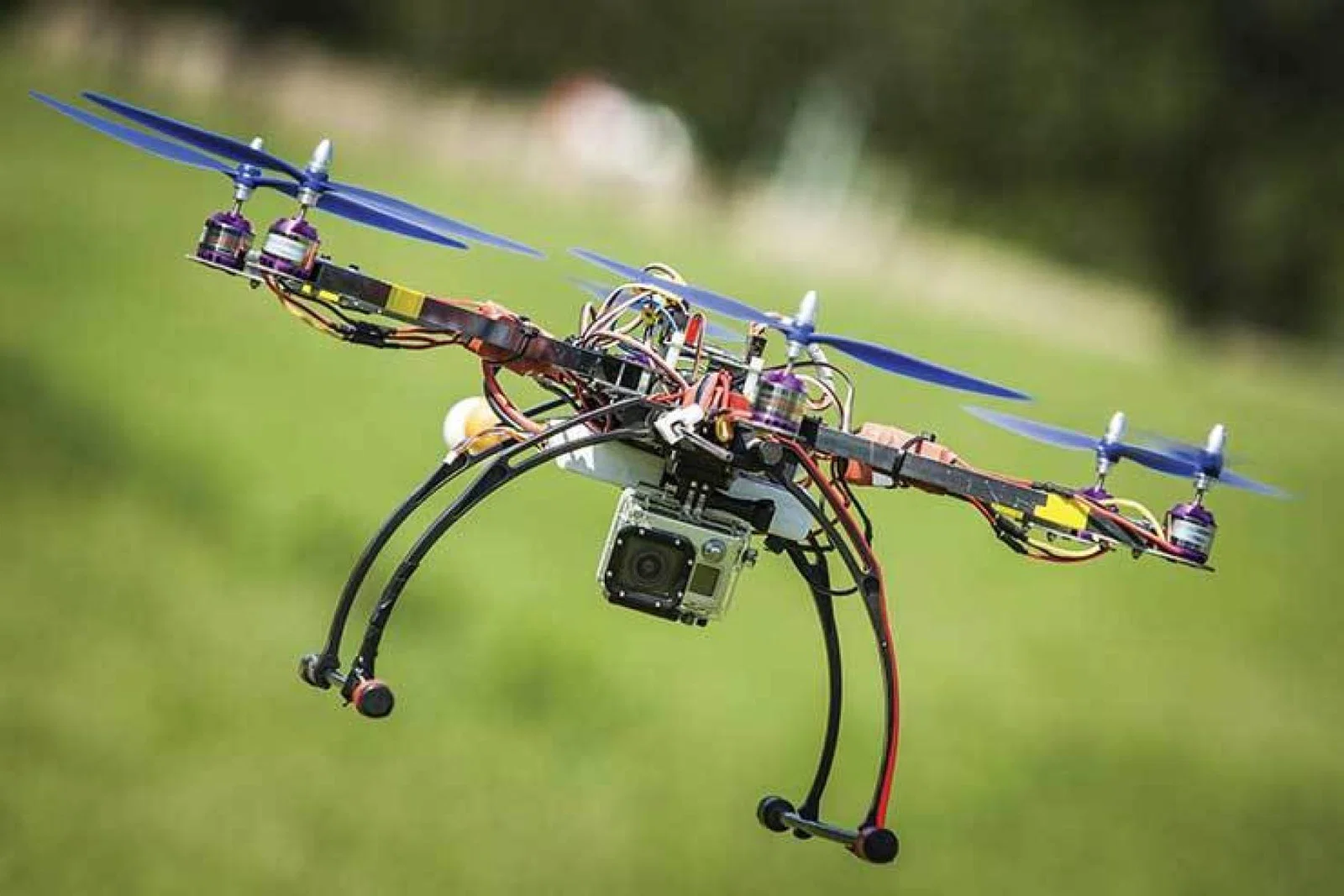
On Sunday, a BA flight was struck by a drone while it was on final approach to Heathrow. The flight from Geneva is thought to have been the first commercial aircraft to have collided with a drone, however no one was hurt and the Airbus A320 was cleared for use on its next flight. No arrests have been made.
The drone is understood to have struck the nose of the aircraft, but pilots are concerned at the consequences if an engine or windscreen was hit.
The regulations covering drone flying are still evolving and are overseen by the CAA, but any changes have to be passed by parliament. The Department for Transport said a working group was “looking at the issue”.
Currently, drones must weigh under 20kg and not be used commercially without permission from the CAA. They must also not be flown at altitudes of more than 400 feet or more than 500 metres away horizontally, although there is evidence that this rule is commonly breached by unlicensed fliers.
Drones that are used commercially need permission from the CAA, although you only need to show why you are using it and that you are reasonably competent, there is no formal test.
“You have to say exactly what you want them to do,” said a CAA spokesperson, who added that the “vast majority of people” are given annual permission by the authority. The rules governing drones have been in place since 2010 and some believe a registration scheme should be introduced along with stiff penalties for drone pilots who breach commercial airspace, but the CAA spokesperson explained: “We do not have powers to introduce new legislation, that would have to be done by the government.”
The CAA believes that the “vast majority” of people use drones responsibly.
“Unfortunately a small number of people don’t do that. We will carry on educating the consumer. The key thing is you have to keep the drone in sight at all times,” the spokesperson added.