








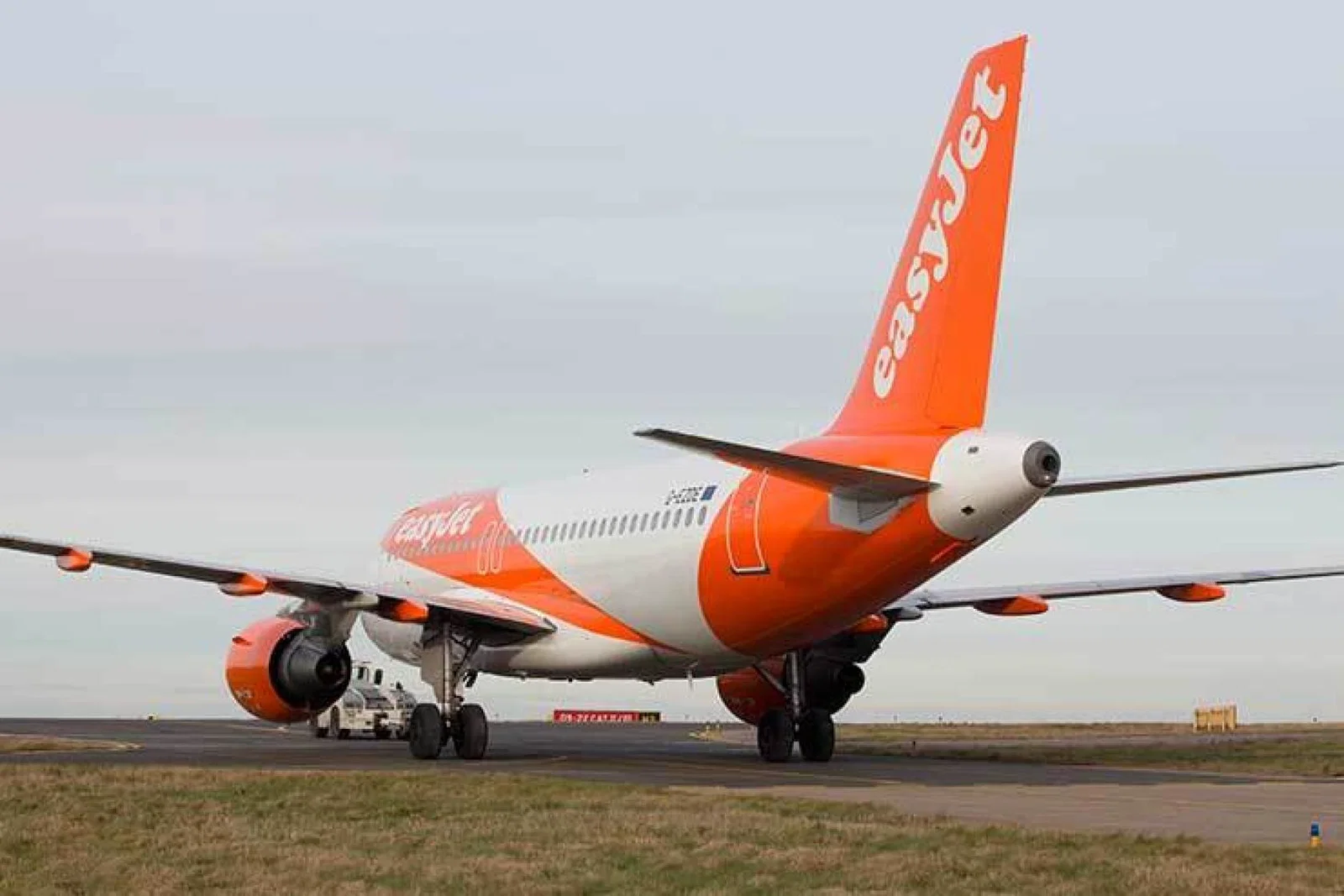
The carrier is due to fully detail its earnings in the year to September 30 on November 15, but has issued a trading statement outlining its current position. Passenger numbers for July, August and September reached a record 22 million with load factors of 93.9%.
Low oil prices drove capacity growth of 6% in the second half of the financial year, but revenue decreased by an estimated 8.7% year-on-year in the fourth quarter following disruption from terrorism in key markets. The airline has also predicted it will take a hit of around £90 million in its full year results, due to exchange rate movements.
Carolyn McCall, the airline’s chief executive, said: “The current environment is tough for all airlines, but history shows that at times like this the strongest airlines become stronger.”
The airline said it saw the current market “as an opportunity to build and strengthen its strategic position for the long term”, growing capacity by about 8% in the year to September 2017.
The airline added: “Approximately 45% of seats are now sold for the first quarter, in line with last year. Revenue per seat in the first quarter continues to be down year on year and is currently expected to be broadly in line with the reduction seen in the fourth quarter 2016.”
Easyjet also predicted that what it called a “foreign exchange headwind” would continue into 2017 mainly driven by weaker sterling against the US dollar affecting the cost of fuel. It added that the total expected foreign exchange impact for the year to 30 September 2017 would be around £90 million.