








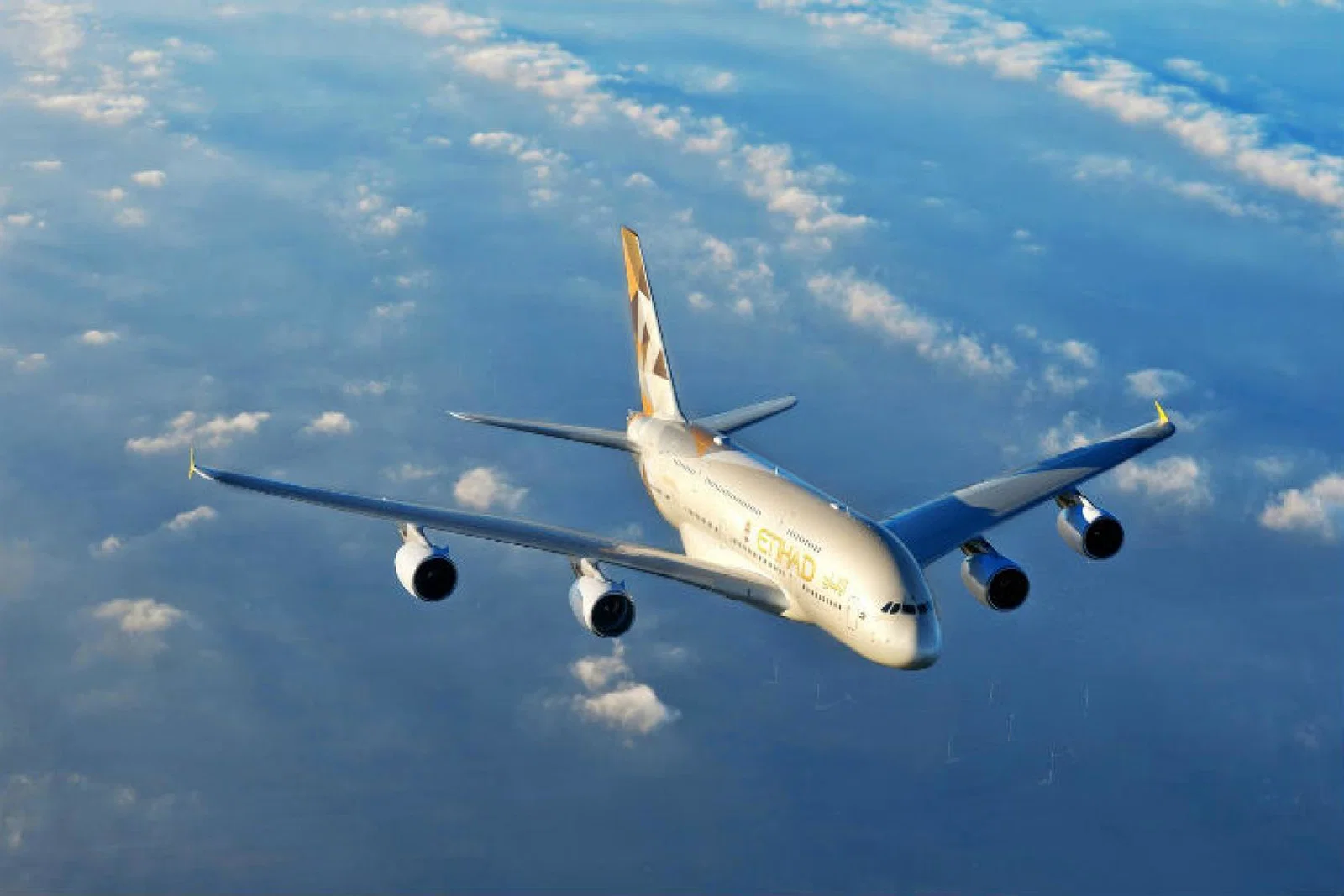
The Abu Dhabi-based carrier attributed $1 billion worth of losses on “one-off impairments” to aircraft and a further $800 million deficit on its investments in embattled carriers Alitalia and Air Berlin.
The airline held a 49% stake in Alitalia - which entered bankruptcy protection in May - and retains 29% in Air Berlin.
Etihad reported a 9% increase in capacity over the year in which it carried a record 18.5 million passengers, up 900,000 on 2015, although the carrier saw a fall of $640 million in annual revenue to $8.36 billion.
In group financial results published yesterday (July 27) the carrier reported passenger revenue remained constant year-on-year at $4.9 billion and a net loss of $1.873 billion compared with a profit of $103 million the previous year.
Etihad cited the fall in yield on “capacity pressures and the tough global economic climate”.
Mohamed Mubarak Fadhel Al Mazrouei, Etihad Aviation Group chairman said: “A culmination of factors contributed to the disappointing results for 2016.
“The Board and executive team have been working to address the issues and challenges through a comprehensive strategic review, which includes a full review of our airline equity partnership strategy.”
Although, Al Mazrouei emphasised the importance of Etihad to the Gulf state, adding: “The record passenger numbers in 2016 affirm Etihad’s role as a significant economic enabler for Abu Dhabi.
“Our airline business continues to support Abu Dhabi’s vision to develop tourism, grow commerce and strengthen links to key regional and international markets.”
Ray Gammell, the group’s interim chief executive, said: “We are focused on maintaining the solid performance of our core airline business – operationally and financially – amid difficult market headwinds.”
Etihad Airways chief executive Peter Baumgartner said: “We are in an industry characterised by overcapacity, declining market sizes on key routes and changing customer behaviour as a weak global economy affects spending appetite.”
Baumgartner said yields were “under pressure in all cabins, with business class impacted particularly as corporate travel policies continued to encourage flyers to downgrade to economy”.