









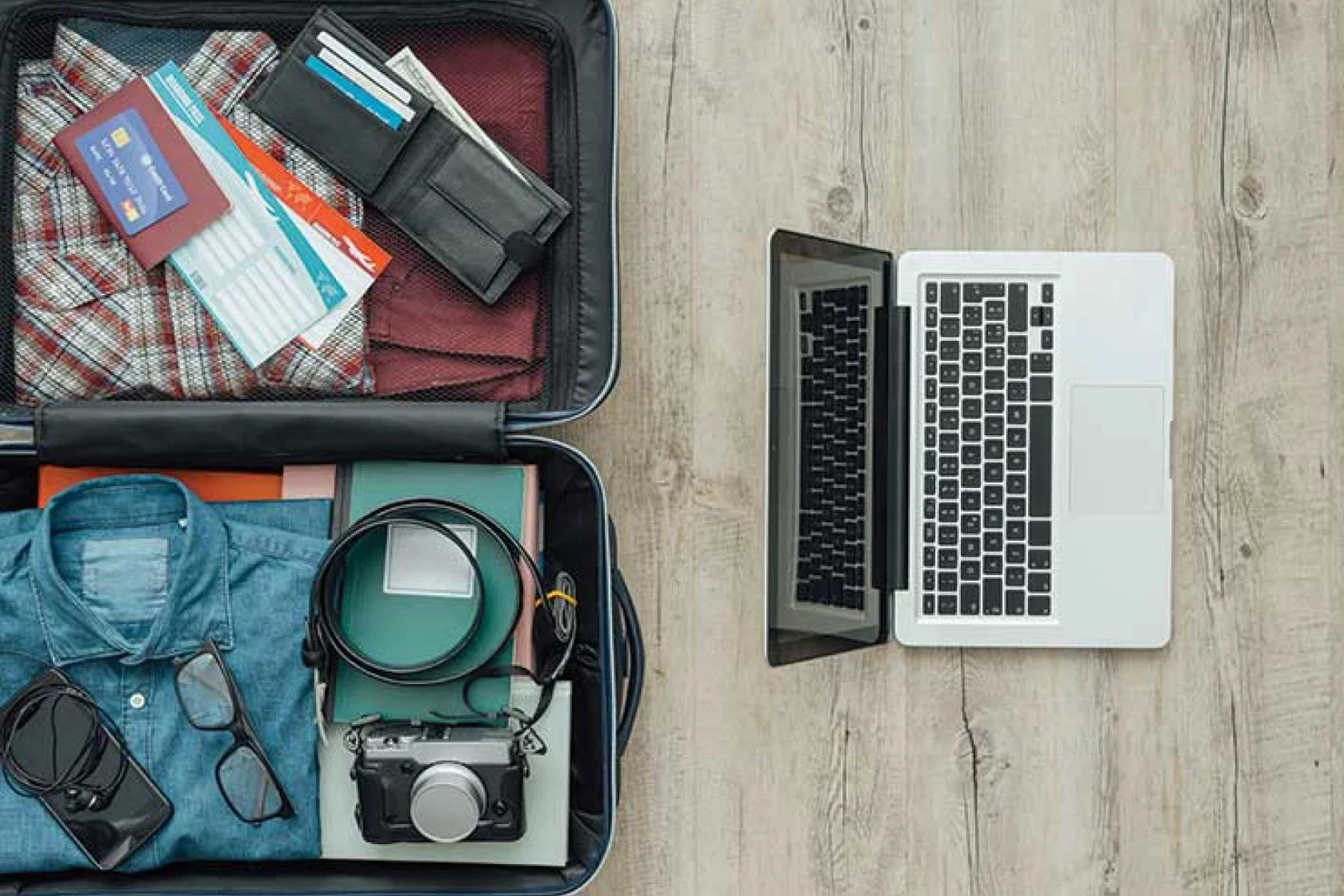
It has emerged that the US government is considering widening the ban already applicable to flights originating from 10 airports including in the UAE, Saudi Arabia, Qatar and Turkey because of fears that a concealed bomb could be installed in electronic devices taken on to aircraft, officials said.
While no decision has yet been taken, any restrictions could hit major European carriers such as British Airways, Air France-KLM and Lufthansa and industry sources have said airlines and airports have already been working on possible contingency measures.
The EU executive said it was important that information concerning possible threats involving EU airports be shared, according to a letter sent to US homeland security secretary John Kelly and US transportation secretary Elaine Choa, seen by Reuters.
“We therefore reiterate our willingness to pursue constructive dialogue and we propose that meetings are held as a matter of urgency, both at political and technical level, to jointly assess the risk and review possible common measures,” wrote EU transport commissioner Violeta Bulc and Dimitris Avramopoulos, commissioner for migration, home affairs and citizenship.
European aviation security experts met in Brussels yesterday (May 11) to consider possible responses to any extension of the ban, the Guardian reports.
Two EU officials said the discussions had so far concentrated on maintaining a common front.
The EU ambassador to the United States will meet with Kelly in the coming days to discuss the issue, one of the officials told the newspaper.
Malaysia Airlines’ chief executive Peter Bellew, told Reuters at the CAPA Centre for Aviation conference near Dublin that an extension of the laptop ban would be a “pity” and make it more difficult for people to travel.
“I do think it is going to have a fundamental impact on travel to North America and I don’t think that is going to go away quickly,” He said.
Meanwhile Emirates has blamed the ban for forcing it to cut frequencies on its flights to the US.
The ban also raises other issues around insurance, with most insurers declining to cover damage or theft for devices that leave the care of the owner during the journey.