




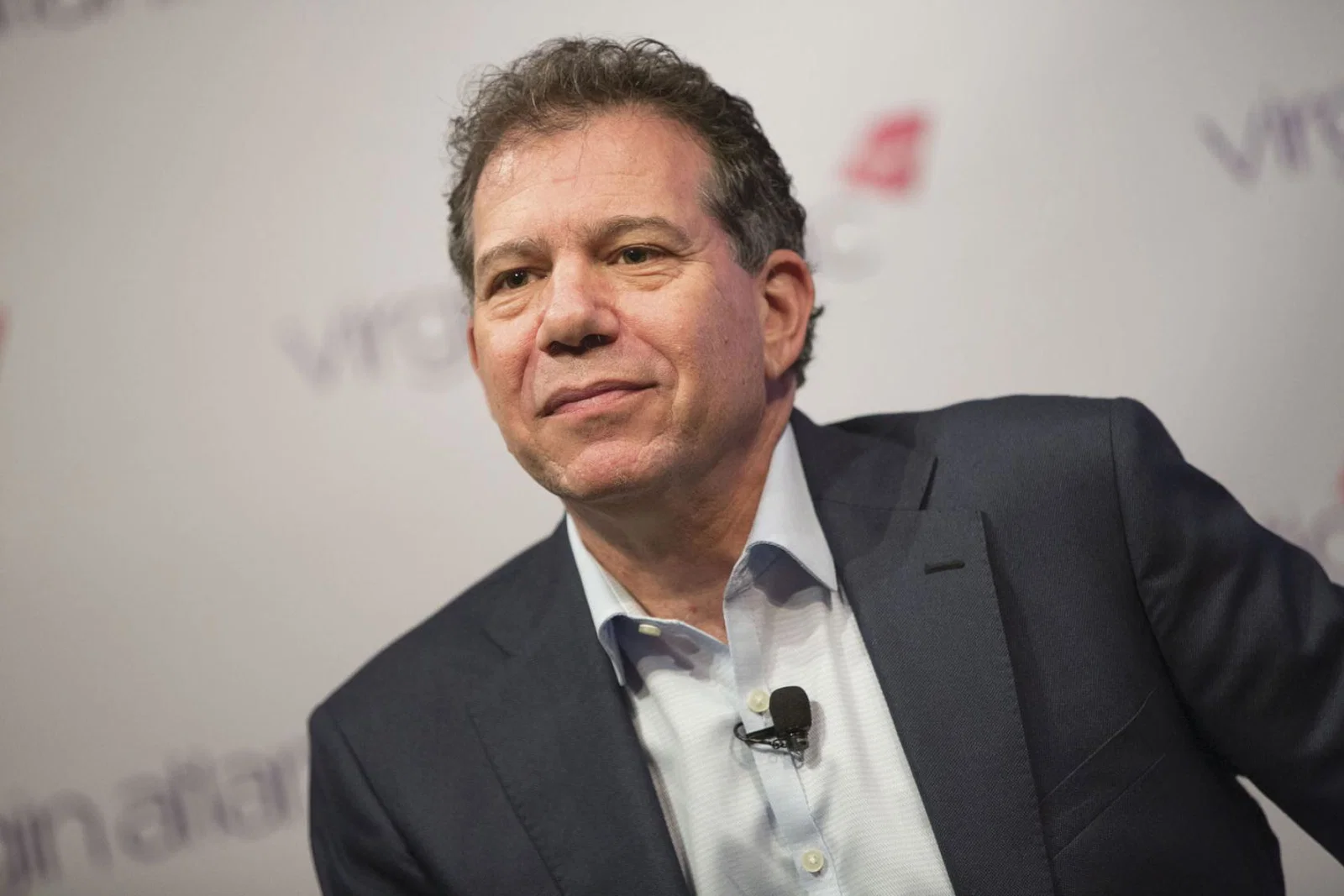
Just under two years ago, Craig Kreeger took the top job at Virgin Atlantic with the aim of returning the airline to profitability. At the time it was being hammered by both rising costs and increased competition on its transatlantic routes.
On the surface it seemed a risky move swapping stability at American Airlines, where he had spent 27 years in a variety of roles, for something a little more uncertain. However, when we meet just a few days after the airline’s inaugural to Atlanta,
Kreeger has the relaxed air of a man who is confident he has delivered on his promises.
“We said we’d be profitable this year and I’m confident that we will be,” he tells me.
Not that this has been achieved easily. Kreeger is keen to point out that a number of difficult choices have been made. Chief among these was the closure of Virgin Atlantic’s domestic offshoot Little Red and also to cut back on serving some of its non-US destinations.
“We had looked at every place we fly to and asked ourselves questions about our route network,” he says.
Kreeger wanted to know whether a particular route was profitable and, if not, was there anything that could be done to make it so. At the end of the process came the “difficult decisions” on Vancouver, Cape Town, Mumbai and
Little Red’s demise was probably less of a surprise given that it had struggled to attract passengers, with figures from the CAA showing that load factors dropped to 35.2% earlier this year.
“It did grow steadily and we were successful in the actual local market between individual cities. As we were watching the connecting customers grow to our long-haul network, which is always going to be the success or failure criteria, it levelled out at a level below where we needed it to get to,” Kreeger says.
“It was not easy winning in new markets and British Airways was entrenched there, and we were limited in the overall capacity that we could add to create connecting itineraries by relative small award [of slots].
“It’s probably also influenced by more non-stop services from those points to other cities around the world. We gave it a good shot but had to make the tough call.”
Delta delights
It hasn’t all been doom and gloom for Virgin Atlantic. Pulling back from certain cities has meant freedom to expand the moneymaking transatlantic routes that have been its staple during 30 years of operation.
Passengers looking to travel to the likes of San Francisco, Miami and New York will benefit from additional flights and Atlanta and Detroit will now be served.
This redesignation has looked likely ever since Delta took over Singapore Airlines’ 49% stake, although Kreeger stresses that this shift from east to west was not deliberate.
“Virgin Atlantic needs to remain truly Virgin Atlantic for us to win, that’s actually what Delta needs us to be too”
“It wasn’t because we wanted to grow particularly in the US per se; it’s because we wanted to put the aeroplanes where they’d serve more customers and drive more value and because of the strength of our partnership with
Delta… US markets came up to the top of the success list.”
“It actually though takes us back, in terms of percentage, to about the same percentage of transatlantic as we were flying in 1999 and 2000, which were the most successful years we’ve had in the past.”
The tie-up with Delta prompted some in the industry to wonder what the future held for an independent Virgin Atlantic.
One person not shy in offering his opinion was Willie Walsh the boss of rival International Airlines Group, parent company of British Airways and Iberia.
So confident was he that the Virgin name would die out that he wagered a “knee to the groin” with founder Sir Richard Branson. Unsurprisingly Kreeger thinks there will only be one winner of this particular bet.