








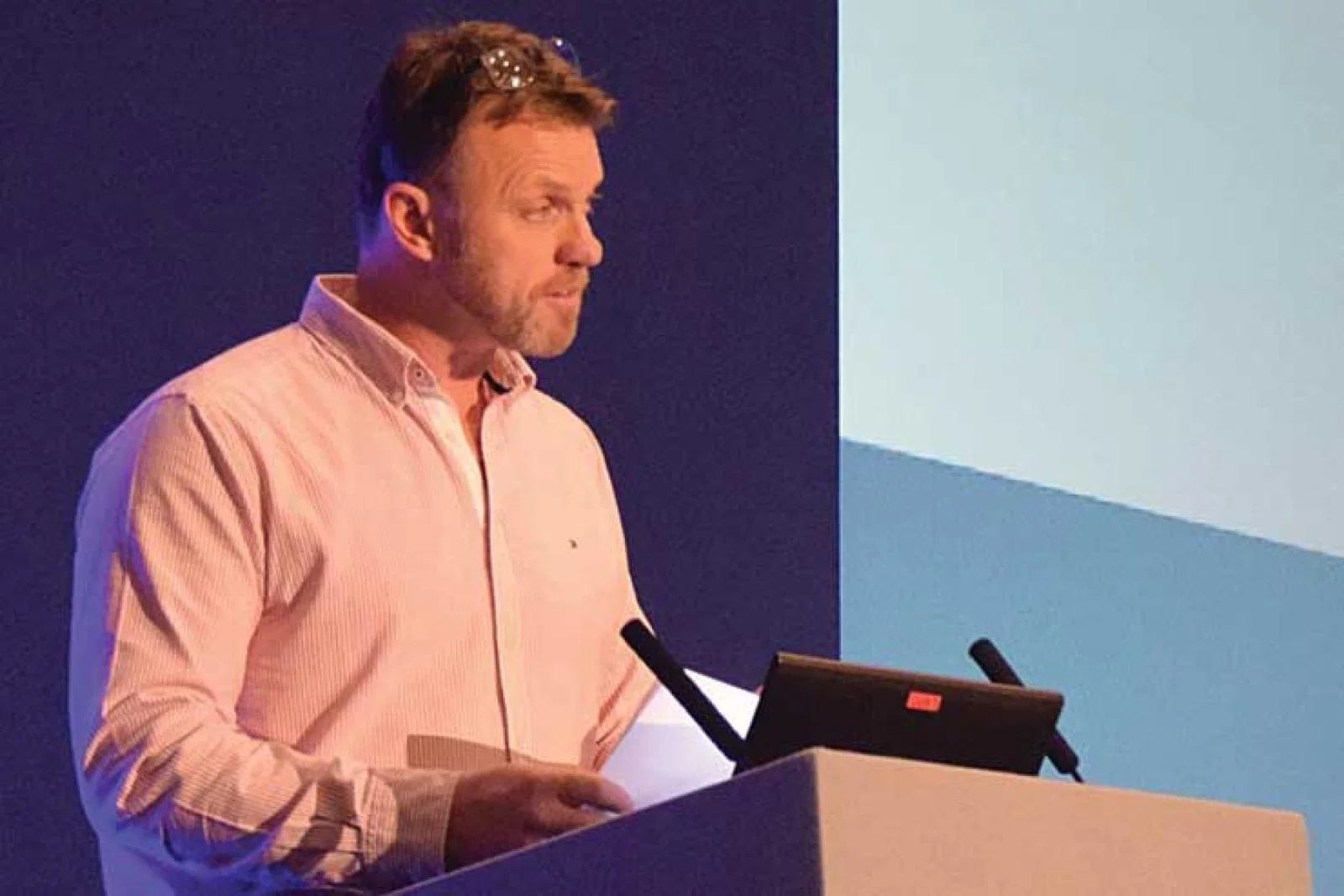
Ashley Toft, managing director of tour operator Explore Worldwide, told delegates that working alongside the media can help to dispel inaccurate reports.
“It’s always difficult to do interviews at a time of crisis but it is better to control the media output that way than deal with conflicting information from other sources,” he said.
Emphasising the need to have a “crisis team” in place, Toft described the operator’s experience of dealing with a plane crash in Katmandu in 2012, which caused the death of seven customers and a tour leader.
“The most you can do is manage the risk, but we all know incidents will happen,” he said.
“You need to have a plan – ensure you practice it, and if you don’t have the resources for your own team, buy in the expertise because it could save your business.”
Former Sunday Mirror journalist Gill Williams advised delegates that it was important to establish a relationship with media sources before incidents occurred.
“We will know your business and know you as people, which means when something bad happens we will know you’re telling the truth.
“There’s one thing that we cannot cope with and that is silence,” she added.
Ex-British Army officer, and risk management consultant, Nick Thomas, said it was vital firms had their own plan in place for difficult situations. “It is all about asking what type of contingency plan you need and knowing the context of what you’re planning for,” Thomas said.