








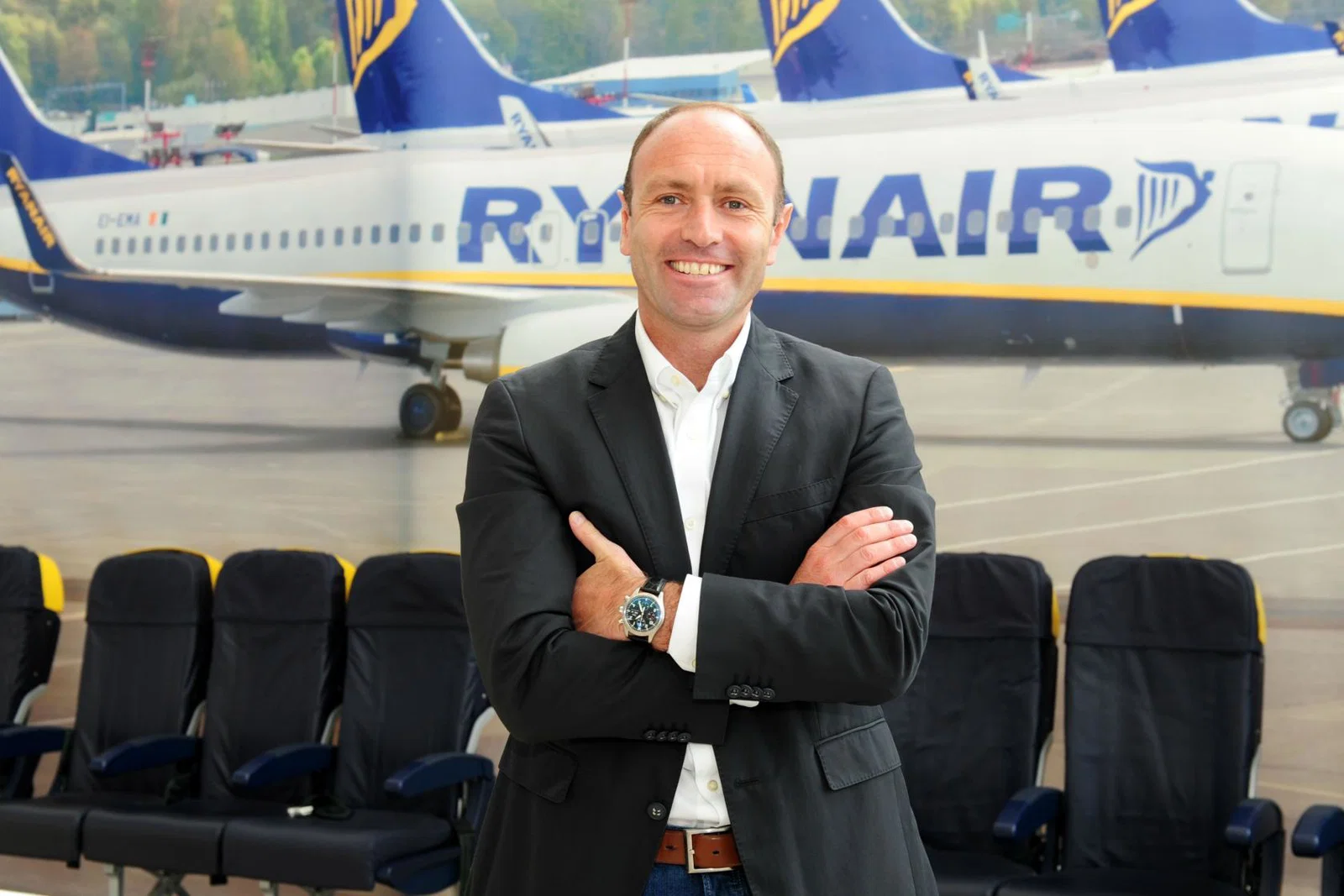
Kenny Jacobs, chief marketing officer said the Irish carrier hoped the five-point proposal would emphasise how low-fare flights were a "key driver" of regional tourism and job creation across Europe.
Speaking at the Malta Tourism Conference, Jacobs explained how he believed following the plan could help domestic tourism within Europe grow by 10% in 2018 and create an additional two million jobs across EU countries in the tourism sector.
Among its plan, Ryanair has called for the lowering of airport costs and removing taxes on short-haul travel within Europe as well as the addressing of what the Irish carrier dubbed an “accommodation shortage driving up prices" by lowering costs and building more hotels.
The airline also called for an improvement in the marketing of EU destinations to encourage European citizens to holiday on the continent and the development of new regional resorts such as southern Italy and northern Spain.
Ryanair also urged European nations to create more year-round tourism offerings and "off-peak" seasonal city break travel opportunities.
Jacobs said: “As the largest airline in Europe, Ryanair urges EU countries to encourage more Europeans to holiday in Europe. By lowering airport costs and taxes, addressing the accommodation shortage, improving the marketing of EU destinations, promoting new regional resorts and developing a bigger year-round tourist season, European tourism can thrive and capitalise on a golden growth opportunity, at a time when European tourists are looking for alternative destinations given the decline in traffic to Turkish and North African resorts.
“Some 130 million people will fly with Ryanair across Europe this year and we have seen first-hand the regional tourism growth and job creation that low cost aviation brings, especially for Europe’s youth. This Ryanair effect has already paid dividends to regions across the EU. As demand for travel grows, aviation can further boost tourism by raising the profile of lesser known destinations.
“Tourism contributes up to 15% of European GDP each year, and supports over 12% of the jobs within the EU. Taking the right steps could see tourism grow by 10% next year, rather than the predicted 4%, which would create an additional two million European jobs.”