




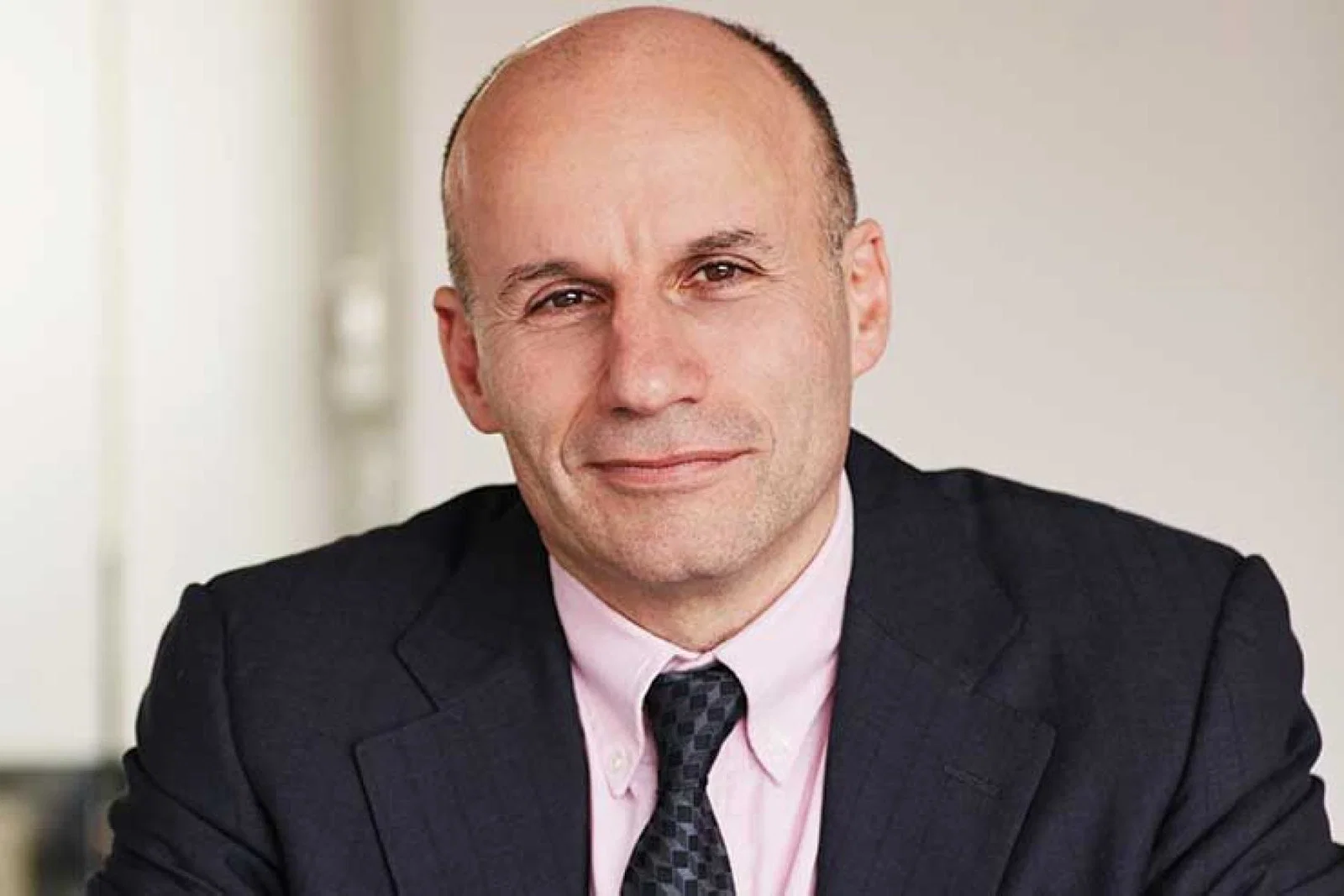
After a rollercoaster 2016, the industry – and world – may be hoping this year might offer some respite. But Abta chief executive Mark Tanzer already knows that the ramifications of the surprising events of last year mean we could be in for another bumpy ride in 2017.
We meet in December – weeks before yet more deadly terror incidents, in Berlin, when a lorry slammed into a Christmas market, killing 12 and injuring 56, and the Istanbul nightclub massacre in the early hours of New Year’s Day. These are yet more examples of the atrocities for which 2016 will be marked in history, and a sobering reminder that, as Tanzer highlights just days before the Berlin attack, “the world is a changing place”.
The consequences of Brexit – the buzzword of last year and a phrase likely to become more entrenched in our lexicon during the next 12 months – are set to be the big issue of 2017. But despite Abta’s warning in the run-up to the referendum that Brexit would spell bad news for travel, Tanzer says he is upbeat about the opportunities it will present. “There are quite a large number of regulations that come from the European Union, such as the Package Travel Directive (PTD) and Air Passenger Rights [Regulation 261]. I think leaving the EU will give us an opportunity to look again at these regulations and see if they could be better for [the UK],” he says.
“We asked members whether they would wish to get rid of any regulations but they said they find them useful. They acknowledged that they’re not all ideal, but there weren’t any who said they wanted to scrap them.”
He reveals, however, that Abta is keen to re-examine some of them, including Regulation 261 covering compensation for flight delays. “We don’t want the government to just accept all these regulations. We want to have a chance to look at them and amend them. Our view in the run-up to the referendum was that there was more to lose than gain by Brexiting,” Tanzer says, but adds: “Now we’ve got to manage the risk to ensure we have minimised the downside. We see [Brexit] as an opportunity. We’re being very pragmatic. We are leaving the EU and we want the government to be aware of the issues and see what we can do with them going forward.”
For Abta, this includes ensuring that employees are able to move freely around the continent, and guaranteeing that travellers can enjoy hassle-free holidays in the EU.
“We are an island, and being able to get off and fly freely is important – as is the ability of the travel industry to move workers to support customers, without having to worry about complicated work permits.
“There’s no point in having free aviation if you can’t move people around to manage the holidays.
“The EU has also said it will introduce electronic visas for non-EU citizens, but we’re not sure how that will work. We’d also like to keep the EU health insurance system so people can access hospital treatment without paying a fortune for it.”
To realise its aims, Abta has spent the past two months meeting various government departments. “We’ve met the secretary of state for transport [Chris Grayling], the Department of Culture, Media and Sport and the Department for Exiting the EU.” Asked if he is confident Abta will achieve its demands, Tanzer retorts with a wry smile “Anything’s possible. We’re in a new world.”