






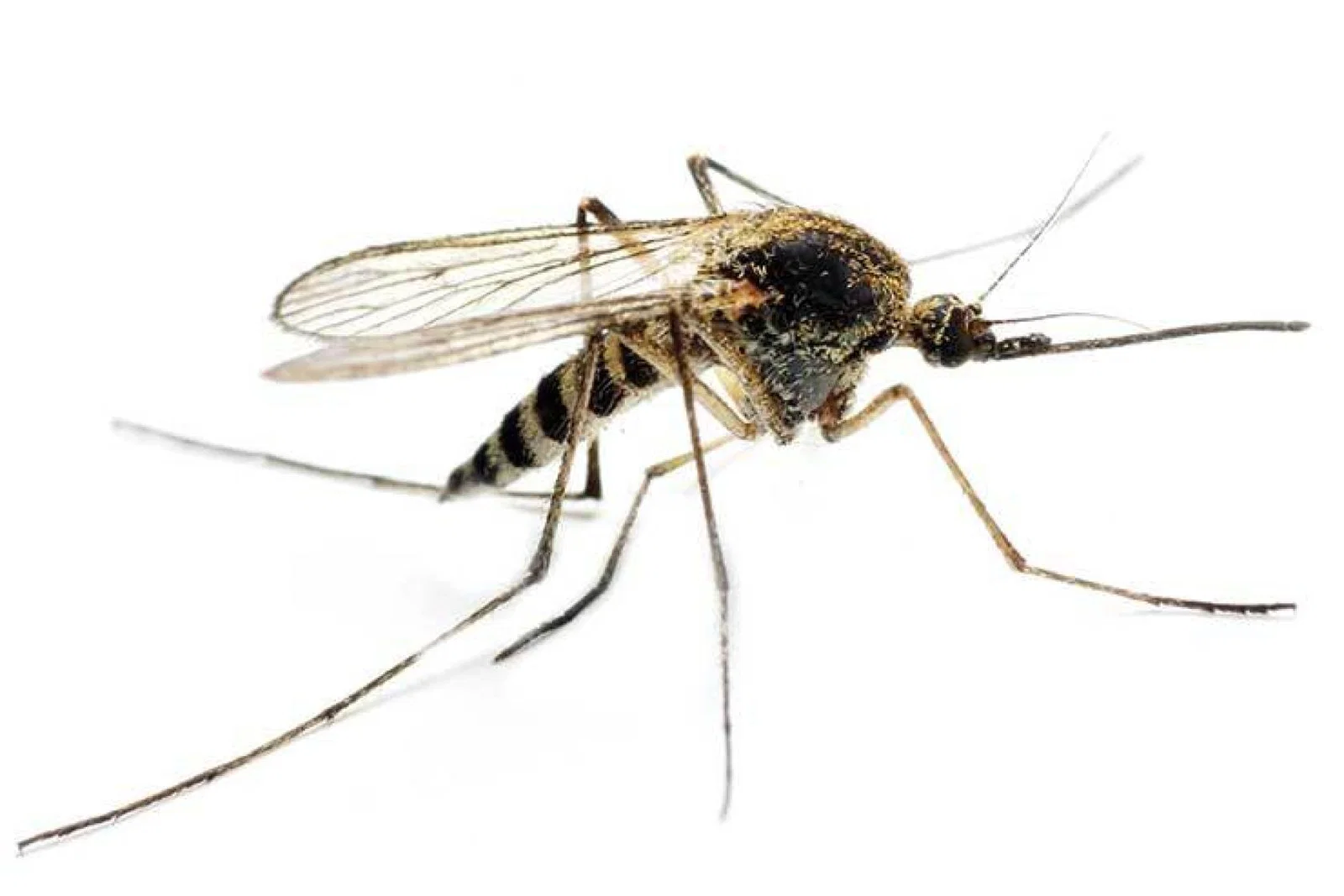
The outbreak of the mosquito-borne virus has been linked to a recent increase in newborn babies suffering from microcephaly in Brazil. This causes them to be born with abnormally small heads and leads to problems with brain development.
Zika is currently affecting countries within South and Central America, as well as some Caribbean islands, Cape Verde and Samoa.
The UK government’s National Travel Health Network and Centre (Nathnac) is currently advising pregnant women to “consider delaying travel to countries with ongoing Zika virus outbreaks”.
Thomson said: “Customers due to travel to Mexico, Barbados, Jamaica, Dominican Republic, Cape Verde, Panama, Colombia, Honduras, Guadeloupe and Martinique who would like to amend to an alternative destination, and have a doctor’s note confirming their pregnancy, can do so without incurring an amendment fee.”
Thomas Cook has been contacting customers due to fly to Mexico, Barbados, Dominican Republic, Jamaica and Cape Verde before the end of April “to advise them of the situation and offer assistance if required, prioritising those departing over the next few days”.
“Thomas Cook is keeping its policy under constant review and currently allowing amendments to an alternative destination for anyone who is pregnant and due to travel on a Thomas Cook charter holiday to the affected areas up to and including April 30, 2016,” added the operator.
The Latin American Travel Association (Lata) said it was monitoring Nathnac’s guidelines on the Zika virus and liaising with Abta.
Lata chairman Byron Shirto said: “We would advise travellers to areas where Zika virus outbreaks are reported to consult a health professional prior to travel. This is especially important for pregnant women.”
The World Health Organization is not currently recommending any widespread travel restrictions to areas affected by Zika.
Abta added that travel companies selling affected destinations should inform travellers about their cancellation and amendment policies.
One insurance specialist, Holidaysafe.co.uk, said travel policies did not generally provide cover for cancellation or curtailment of trips due to “the fear of an epidemic, pandemic, infection or allergic reaction”.