Call for reform
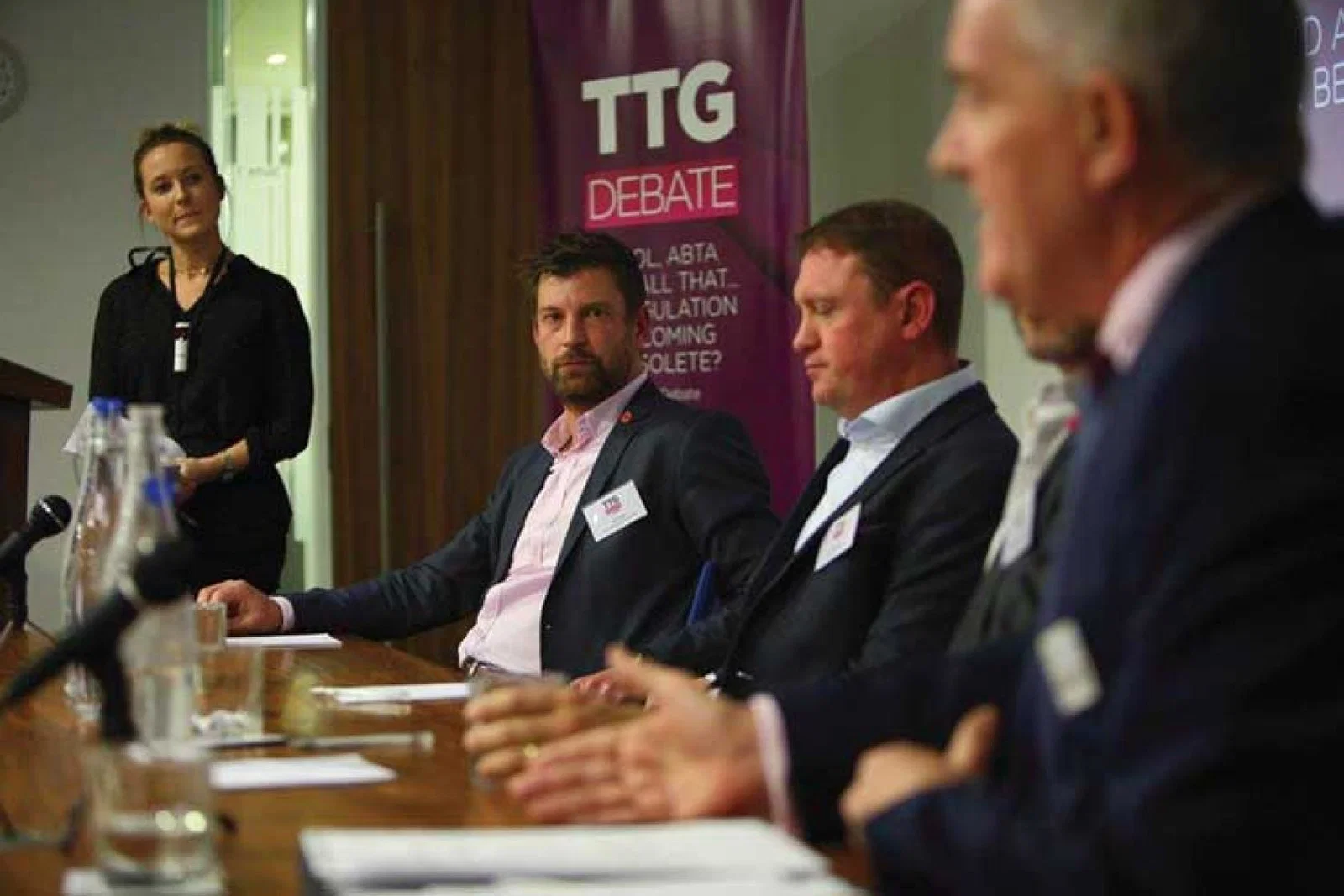
“We have developed a commonality that a single protection mechanism against insolvency and for repatriation – for flights and non-flight packages – with one overriding brand, would meet that requirement.
“But that can only really be achieved with further reform. I do think that’s somewhere the CAA are quite happy to go to if it gets the backing of the industry,” he added.
Matt Eames, chief commercial officer, Feefo, agreed: “You cannot scrap [Atol] or just leave it.
“You have to strengthen it but my opinion – from the consumer standpoint – is that [the industry should have] one body, one brand, one kind of cover that encompasses everything for anyone that wants to trade with people in the UK.”
Meanwhile, Matt Purser, director of the Travel Trade Consultancy, suggested strengthening Atol “beyond what the DfT has suggested”.
Gary Lewis, chief executive of The Travel Network Group, said he wished to see “a bit of both” – part of the system remaining the same and part evolving. “I think it should keep the flexibility of the mechanism of a flight-plus, and a full Atol in place.
“The structure we have should stay in place, but we shouldn’t go for a bigger Atol footprint because that affects a lot of OTAs and DP [dynamic packaging] travel agency members and puts more responsibility on them.”
He added: “You need to strengthen it as you should bring in accommodation-only and cruise under that flexible structure that allows the smaller guys to compete without the responsibilities of the tour operators that take an allocation.”
Credit where it’s due
Despite their insistence that the Atol scheme needs to be strengthened, the panel conceded that the scheme should be recognised for helping to limit company failures.
Lewis argued that part of the reason “we’ve got an industry with a relatively low number of failures” was as a result of the standards held across the business.
“Behind the scenes there is a lot being done in terms of financial accounts and having that proper regulatory conversation – Abta is behind a big part of that conversation with their members, along with the Travel Trust Association [The Travel Network Group’s own trust offering] and the CAA,” he said.
“The industry wanted these licences because of these huge failures, and the failures came in the first place because companies had no regulatory body looking after them.
“The CAA has cleverly built up its fund that covers the big boys as well as the small boys.
“The big boys are putting more money in the pot but the small boys are getting the benefit of that branding. I don’t think it’s a bad system.”
Lewis also praised the CAA’s work around promoting the Atol brand, forcing all advertising companies to state that they are “Atol protected”.
Abta was also praised for its “excellent” role in lobbying.
“We were having the European PTD forced on us by a whole mix of European countries doing rubbish financial protection schemes. Abta did do a really good job of trying to shape some of that,” Lewis said.
However, he also argued that the travel association faced “challenges”.
“Some of the challenges Abta had while shaping [PTD] was because they represented the agent issue and the operator issue, and there is a natural conflict that sits between both of these.”
Lewis continued: “Organisations exist for their members and Abta is a member organisation.
“Abta does a really good job over some of the big issues – lobbying, sustainability, regulations, future planning, standards – but that agenda around what they’re influencing is generally set by members and most organisations are set by not necessarily doing what is best for the whole membership, but what is best for those who pay most and shout loudest.”
Funding limitations
Elsewhere, the panel agreed that Abta and Atol were often constrained by a lack of resources.
Burnham said: “Abta would have to go to the likes of Trading Standards if someone was operating outside of the law – they’re limited by being a membership organisation primarily.”
Lewis added: “Trading Standards are a shambles of an organisation in terms of them trying to enforce anything across the industry. It is up to organisations like Abta, the TTA and the CAA to enforce certain things commercially as well as legally.”
Purser agreed, adding: “It’s all well and good having the regulation but unless someone is there to enforce it, it’s pointless. Atol’s enforcement team has been pretty small. Is that going to be expanded?
“Abta and the TTA only have powers over their members – you do need someone who’s going to enforce things and has the powers to take that further. I think we should have a stronger watchdog.”
Meanwhile, Eames questioned: “We’re talking about a body that has the power to enforce – surely the government, who are already invested, should be the body that does something and corners this?”
Burnham observed that the CAA is able to implement “quite extreme powers of intervention”.
“[But] you don’t see them exercising them in practice very often,” he said. “There’s a double-edged sword. There’s a danger that at the point where there’s a problem, intervening can cause a collapse. I have some sympathy for anyone in that position.”
Lewis added: “Unfortunately the CAA doesn’t have the money to pay for lawyers of a sufficient level to enforce those rules. It’s hard when the CAA turns up with one lawyer on a part-time basis and a company – as with Travel Republic [in 2009] – turns up with 12.”