








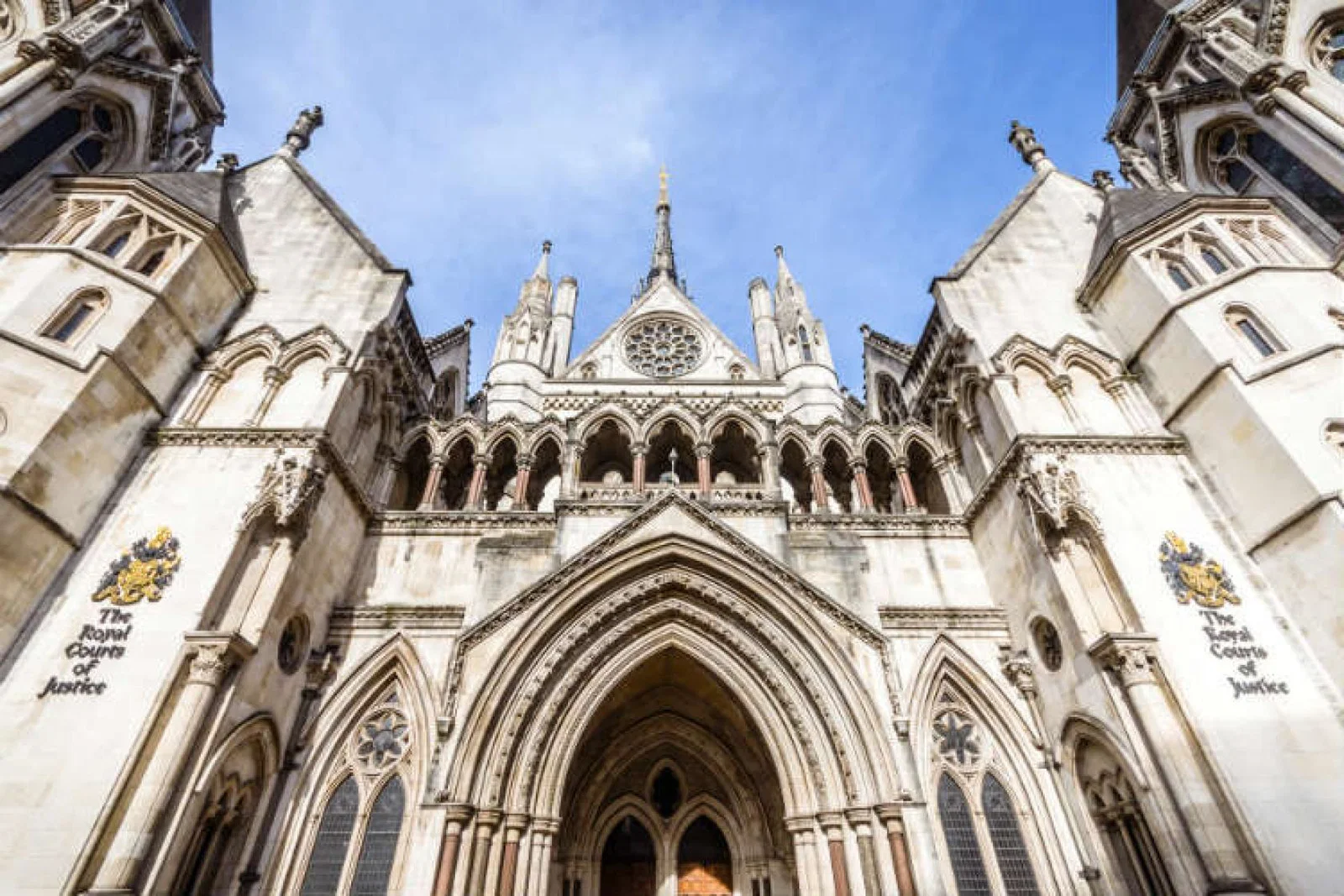
Marc Worrall, the operator’s general manager for digital services, operations and its quality team, took the inquests at the Royal Courts of Justice through the operator’s booking process.
He described how to complete their booking; customers would have to visit seven webpages including a Tunisia information page, flight options, accommodation preferences and travel extras.
Questioning Worrall, counsel to the inquest, Samantha Leek QC, told the court there was “nothing” in the booking process prior to that point that “directs [customers] to the Foreign Office website or travel advice".
“Not at this stage,” Worrall agreed.
It was not until the last of these sections, a payment page, Leek said, that a reference was made to visiting the FCO for “visas and travel advice”, arguing that the advisory sentence was “not very clear” for holidaymakers to see.
Also during her questioning, Leek asked Worrall if inspecting and reading travel advice was part of the terms and conditions customers needed to finalise their holiday purchase. “No,” Worrall replied.
Andrew Ritchie QC, representing 21 of the families of the victims of the attack in which gunman Seifeddine Rezgui shot dead 38 people, said customers had to take a “difficult route” to find FCO advice from the Thomson website.
He also called into question Worrall’s lack of knowledge about the FCO’s specific Know Before You Go travel advice campaign, of which Thomson parent company Tui was a partner.
Ritchie told Worrall, who was in charge of curating content on the websites of Thomson and First Choice at the time of the Sousse attack in June 2015, that a “minimum requirement” for Tui as a campaign partner was to have a “permanent logo” on its site, a link to the FCO website and “explanatory copy” alongside the link for customers to read.
Later on during the hearing, Ritchie enquired whether Worrall had received orders to change the website to “contain reference” to the Bardo museum attack in Tunis in March 2015.
“No it didn’t,” said Worrall.
Ritchie also questioned the relevance of having a link to FCO travel advice in a section about visas as British travellers did not need one to visit Tunisia.
Judge Nicholas Loraine-Smith, said: “By the time the customer has got here they have made up their mind...it’s only suggesting they should go there to do with visas and travel advice and nothing else.”
Representing Tui, Howard Stevens QC argued that links to FCO advice were available at three points of the process – on the Essential Information area on its Tunisia page, a “Frequently Asked Questions” section and on the payment page.
Worrall added that since the Sousse attack, Tui includes mention of the Know Before You Go campaign on “almost every page” of its Thomson and First Choice websites.
The inquests continue.