






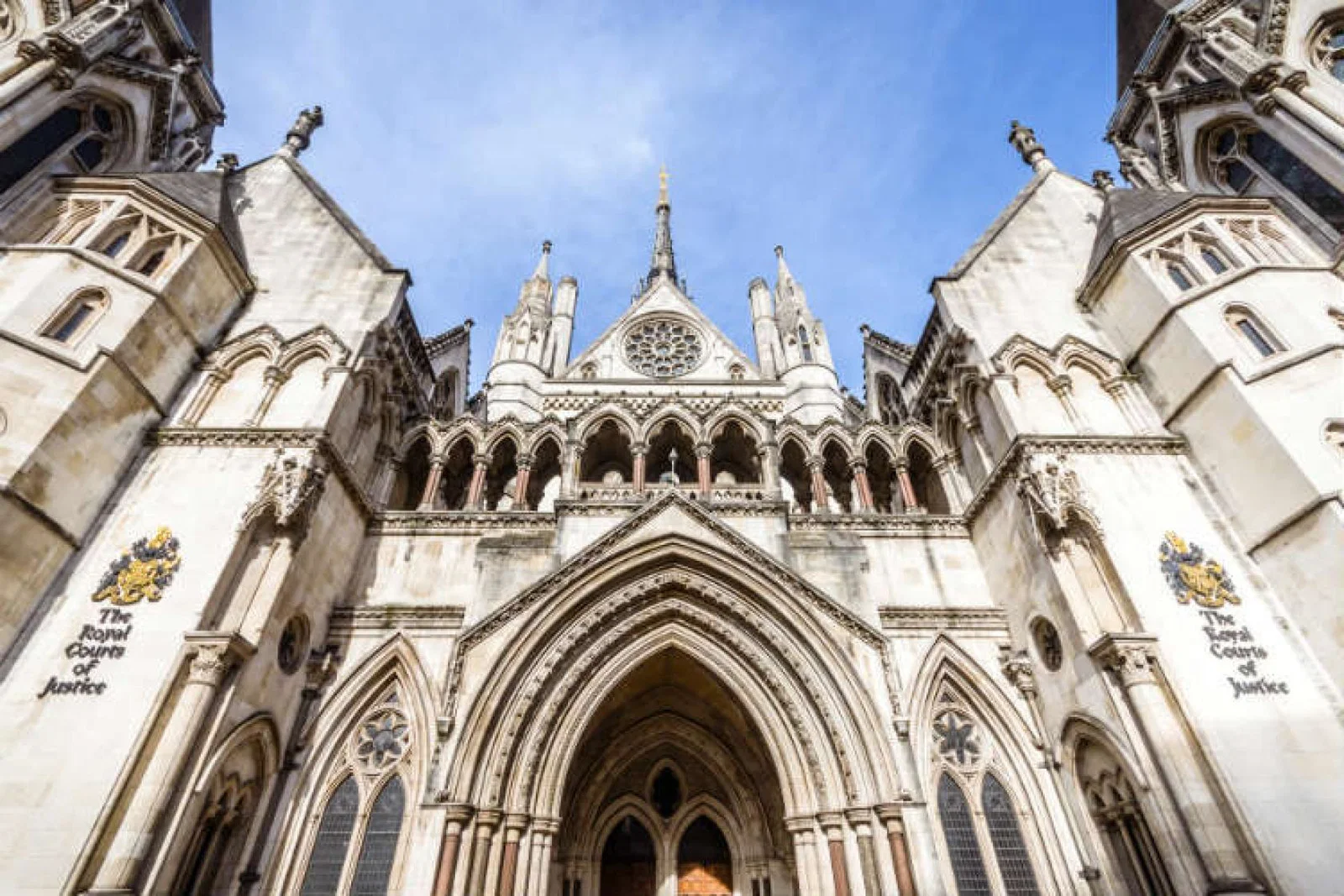
The hearing, at London’s Royal Courts of Justice, was told that CCTV footage showing a slow response by armed police and security staff was withheld by authorities and would not be available.
Seifeddine Rezgui killed 30 British Tui clients and eight foreign nationals with a machine gun and grenades in the attack at the RIU Imperial Marhaba Hotel in Sousse in June 2015.
Counsel to the inquest, Samantha Leek QC, said that footage of the area had not been made available to the inquest despite requests to the police and an investigating judge.
Leek said there was evidence to suggest that local police “that should have intervened, deliberately slowed down their response to the attack". She added there was also evidence to suggest that security teams “could have put a stop to it”.
The inquest also heard how Rezgui was driven to the attack in a white Peugeot van. Neither the car nor the driver has been traced. Footage shown to the court revealed that Rezgui had hidden his weapons under a parasol before opening fire.
The inquest was told that he was traced by footage from eight CCTV cameras, some provided from residential and industrial units.
Detective Superintendent Mark Gower of the SO15 Counter Terrorism Command said other cameras were placed around the area of the hotel, but added: “We have made a number of requests for CCTV. We have no other material save for this.”
A video map of the rampage showed how the gunman had walked the length of the 12.7-acre hotel site twice during his attack and had entered and exited the same beachside gate unimpeded.
The hearing, conducted by coroner, Judge Nicholas Loraine-Smith, is expected to last seven weeks.
The inquest continues.