






The report is released in association with the FCO and highlights emerging trends likely to influence holiday habits in the year ahead.
Looking to 2016, the report revealed that 23% of the population are expecting to spend more on their holidays, up from 20% last year.
Almost one in five people (18%) said they would travel to a country they have never been to before in 2016, compared with 9% who said this last year.
Nearly a quarter (23%) said they would try a new resort or city (even if they have visited the country before) compared with 10% who said this last year.
Abta has also identified its ’12 Destinations to watch’ for 2016, which it said are “expected to capture the public’s imagination in 2016”.
In addition to the four named above, others on the list include, Hawaii; Iceland; Iran; Naples and Apulia; Peru; Poland; Queensland and Sri Lanka.
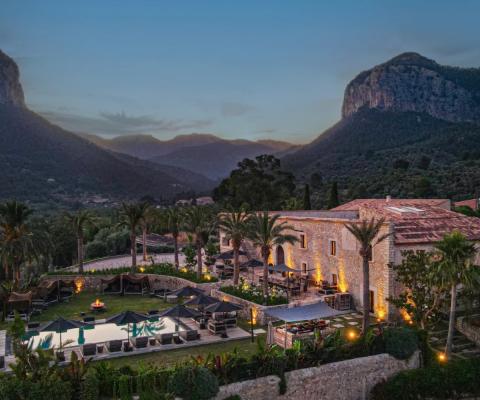
Other trends highlighted included destinations in the western Mediterranean, including Spain, which Abta said was set for a bumper year with bookings for summer 2016 tracking ahead of previous years as 2015 comes to a close.
“These destinations have been the main beneficiary of a shift towards tried and trusted destinations, with the combination of geopolitical uncertainty and a favourable exchange rate with the Euro prompting British holidaymakers to visit their old favourites in even greater numbers,” it added.
Almost four in ten (39%) people with top jobs (in social grade A) said they were planning to spend more on holidays in 2016, compared to an average of 23%. People in social grade B are also more likely than average to spend more next year with 27% stating that they plan to do this.
Last year, the ‘holiday-haves’, those classified as social grade A, took an average of 8.0 holidays per person, up from 7.4 holidays per person in 2011 and this group seems set to continue to drive growth in the holiday market in 2016, Abta said.
Meanwhile, certain destinations are repositioning in order to attract specific markets. A high profile example of this trend is Magaluf, which in 2015 introduced new laws and worked with hotel groups to open hotels aimed at a more affluent and more family oriented market.
The number of long-haul holidays taken are are also set to rise. Wider availability of new aircraft, such as Boeing’s Dreamliner and the Airbus A380 is making long-haul travel more attractive, as is the abolition of Air Passenger Duty (APD) bands C and D in April 2015, which is expected to save British holidaymakers £200 million a year.
Elsewhere, according to Abta members, older holidaymakers are travelling further and are seeking more active or adventurous holidays. New adventure holidays are planned for 2016 to meet demand from customers who “grew up in the 1960s and have seen it all”, the association said.
John Heppenstall, head of consular campaigns at the FCO added: “Abta’s report, which suggests that more British people will travel to a country that is new to them in 2016, acts as a reminder of the importance of preparing fully before travelling abroad.
“Simple steps such as taking out comprehensive travel insurance and researching your destination can make the difference between a holiday to remember and one to forget. The vast majority of people who travel abroad enjoy trouble-free trips, but for those who do encounter difficulties our consular staff are there to offer support.”