






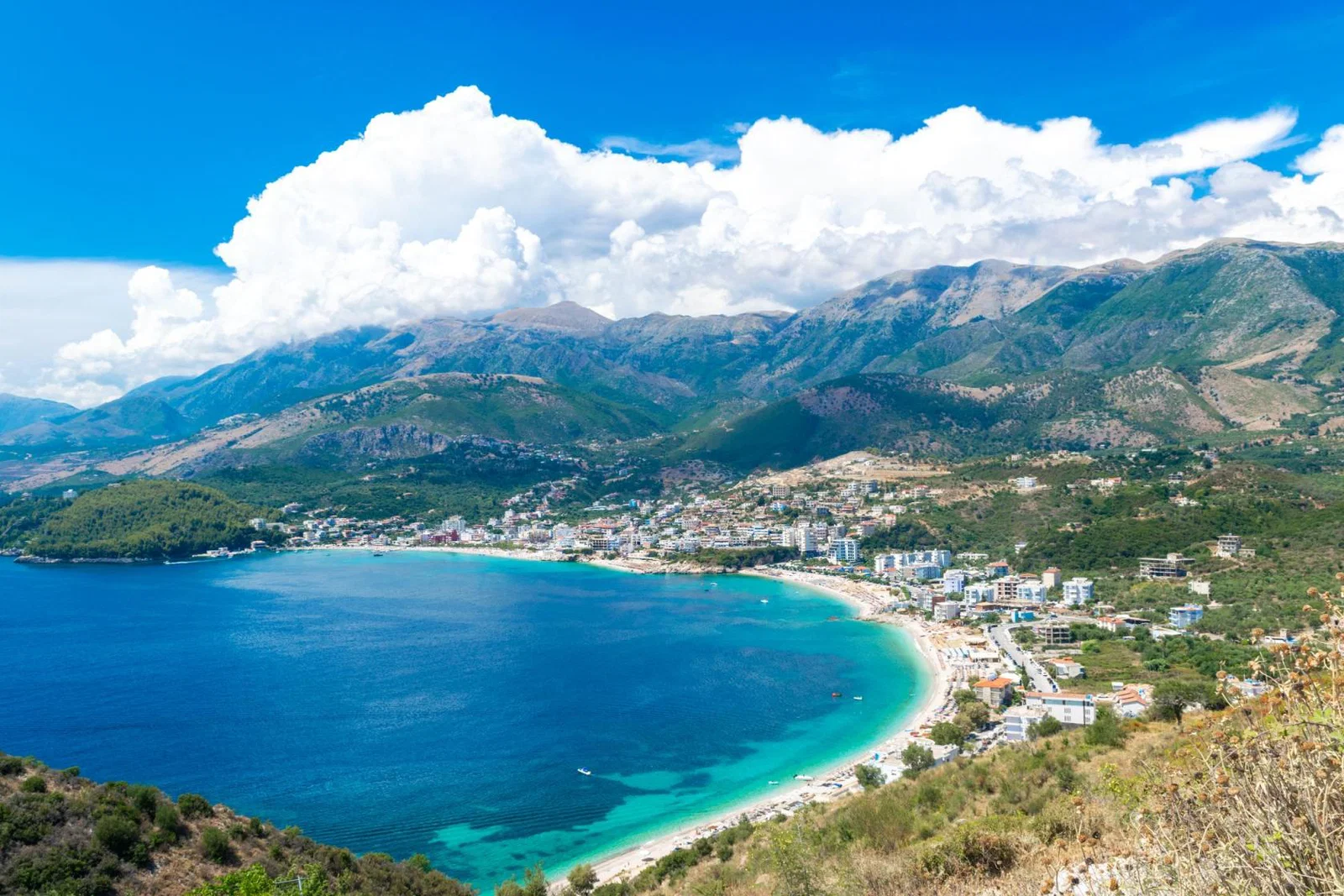
The Albanian Riviera is one of Europe’s fastest-growing destinations, with around three million people visiting its white sand beaches, wetlands and forests in 2024.
But recently, tourists have been affected by growing controversy around the development of a luxury resort on Albania's biodiverse Sazan Island, threatening the habitats of flamingos, sea turtles, seals and Dalmatian pelicans.
When developers erected fences blocking off access to public beaches in protected areas, protests intensified, leading to a rise in hotel cancellations.
Tourism developments choking off public access to beaches is nothing new. But it is now attracting fury and legal action everywhere from Mexico to Italy, where campaigners say almost half the country's coastline is occupied by private businesses.
In Jamaica, it's even worse, with campaigners from the Jamaica Beach Birthright Environmental Movement claiming that just 1% of the island’s beaches can be accessed by local people.
The question of who has the right to use a beach is another dimension of the wider overtourism phenomenon, where the tourism industry is viewed as taking precedence over the needs of locals. And there’s a risk that in some places, tourists could themselves face anger from disenfranchised residents.
Whenever anti-tourism sentiment rears its head, there are calls for travel agents and tour operators to steer their clients towards other destinations. But that just shifts problems elsewhere and diverts public attention away from this pressing issue.
So how can travel agents and their clients be part of the solution? Here are some thoughts.
- Read up on the issue if it’s not currently on your radar as it affects many popular coastal destinations around the world;
- Don’t avoid conversations with clients about beach restrictions. Many tourists want to travel more sustainably and believe having a positive connection with local people improves their own experience;
- When you learn of access restrictions, make your clients aware of how it may affect their trip, but also how it affects local communities, so they can understand why they may witness protests;
- Be selective about the hotels and resorts you book for your clients to ensure they’re not adding to the problem. Emiliano Iturriaga, co-founder of Mexican tour operator Rutopia, says: "There’s a real difference between booking hotels that respect beach access rules and support local communities, and large corporations that contribute to segregation and create problems for residents. We need to move from an 'all-inclusive' to 'all-included' approach."; and
- Where appropriate, promote other destinations, but ensure tourist boards and tour operators are aware of why you are doing so.
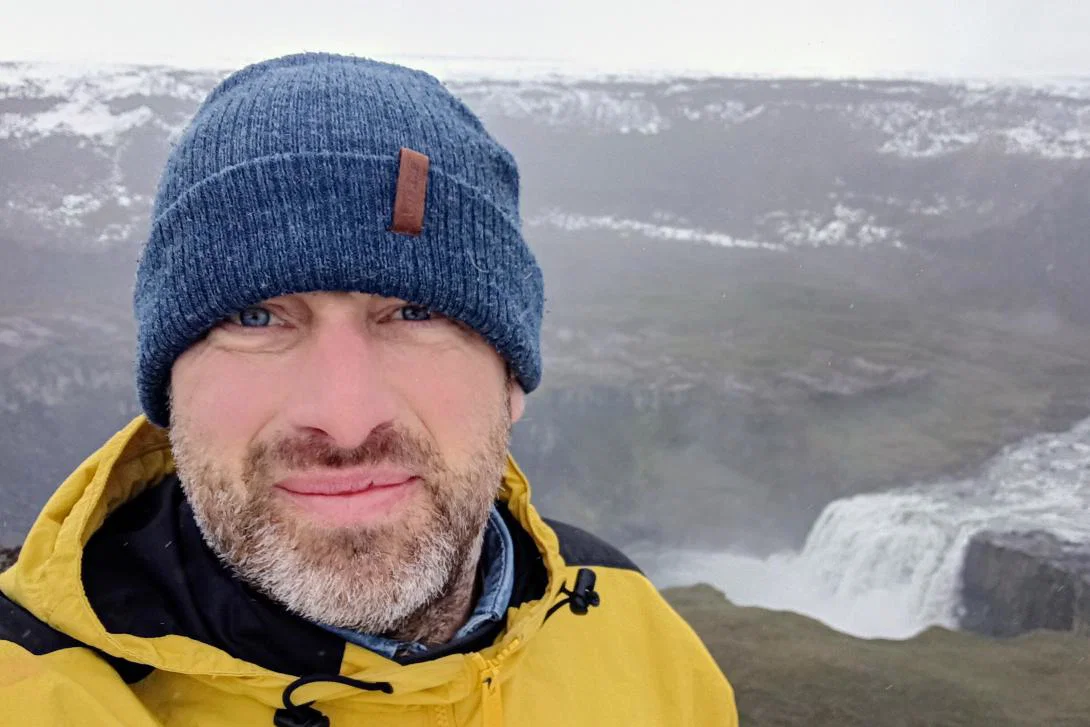
Rob Perkins is a writer for Responsible Travel
The backlash against overtourism, and "extractive" tourism, which gives little back to local communities, will continue.
The industry must act more responsibly if it wants to avoid ever more serious protests, and travel agents are uniquely positioned to take a lead.
Rob Perkins is a writer for holiday company Responsible Travel, regularly covering overtourism, ethical wildlife holidays and other responsible travel issues. Responsible Travel was founded in 2000. It offers more than 6,000 holidays across 180 countries, including wildlife, family, walking and small ship cruises, each designed by expert partners and screened for their commitment to responsible tourism.