









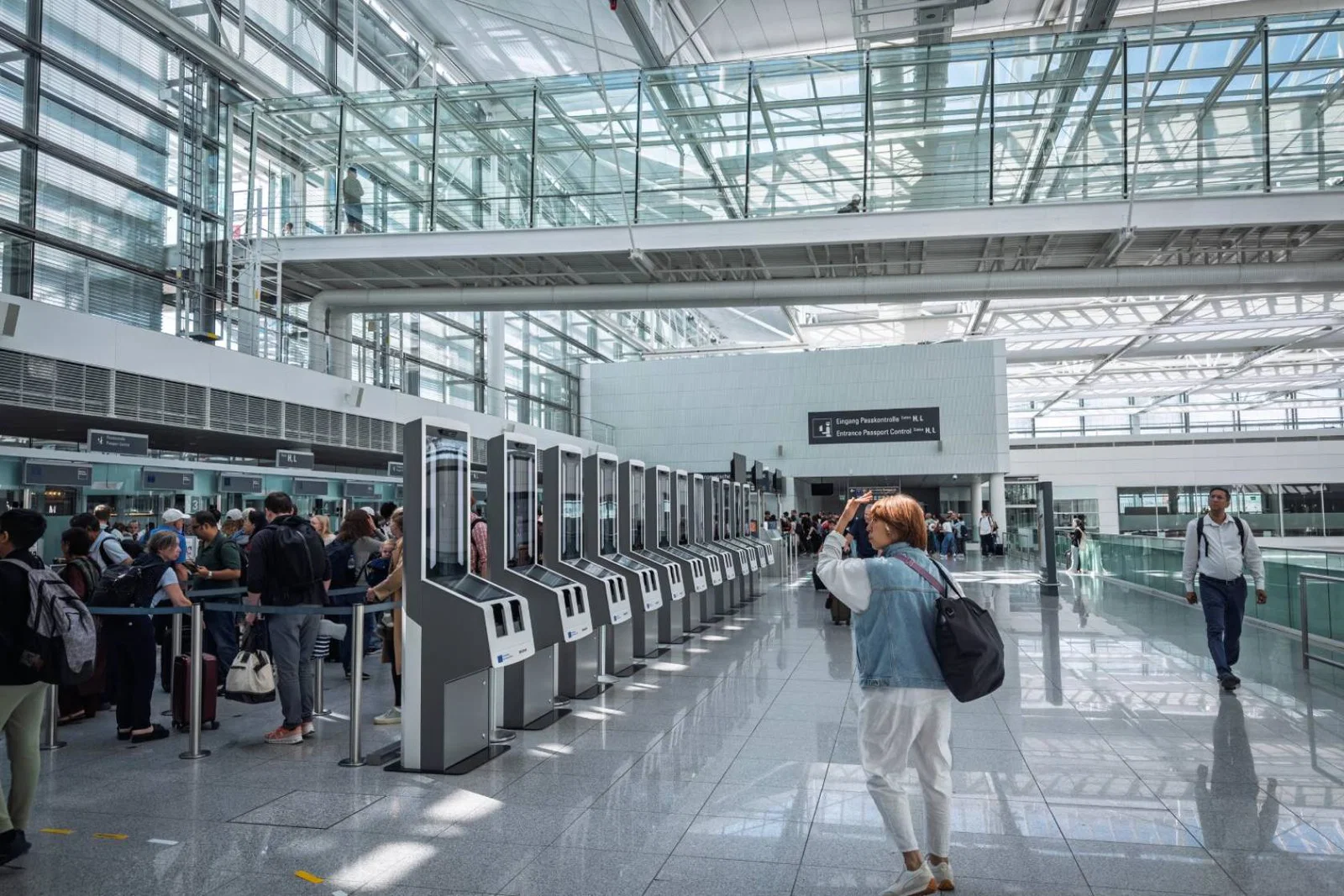
EES is the automated digital border control system to register travellers from non-EU countries each time they cross into or out of the Schengen area. The EES completely replaces the traditional practice of manually stamping passports and required those on their first visit to the Schengen area to register a digital record (facial and fingerprint scanning) at dedicated border booths or kiosks.
Speaking at Abta’s Travel Matters event on Tuesday (9 June), Uku Sarekanno, a director of the EU border agency Frontex, revealed it could take up to two years for the implementation to “stabilise”.
“We expect that the situation will stabilise in one or two years, because the most challenging part is the first enrolment – where fingerprints and facial images are taken.”
If the person is visiting the EU again, they shouldn’t have to go through the same process – although some have claimed they have been asked to resupply their biometric information upon subsequent visits to the EU.
“The other side of this is also the fact that member states are still adjusting to that new reality,” continued Sarekanno.
“There are some who are managing them well, who have dedicated resources for that all through the processes.
“There are the others who are still struggling.”
Sarekanno went on to emphasise that the option to lift the requirement for biometrics would end in September.
Asked whether there might be any further relaxing of the requirements, Sarekanno said while further “fine tuning” is anticipated, there will be “no further relaxing of the rules”.
Asked for their reaction to the two year timeframe mentioned, Airlines UK’s Chief Executive Tim Alderslade said he “did not feel reassured about diminishing queues at UK borders”.
Abta’s Chief Executive Mark Tanzer added that the two-year implementation period could be “painful”.