







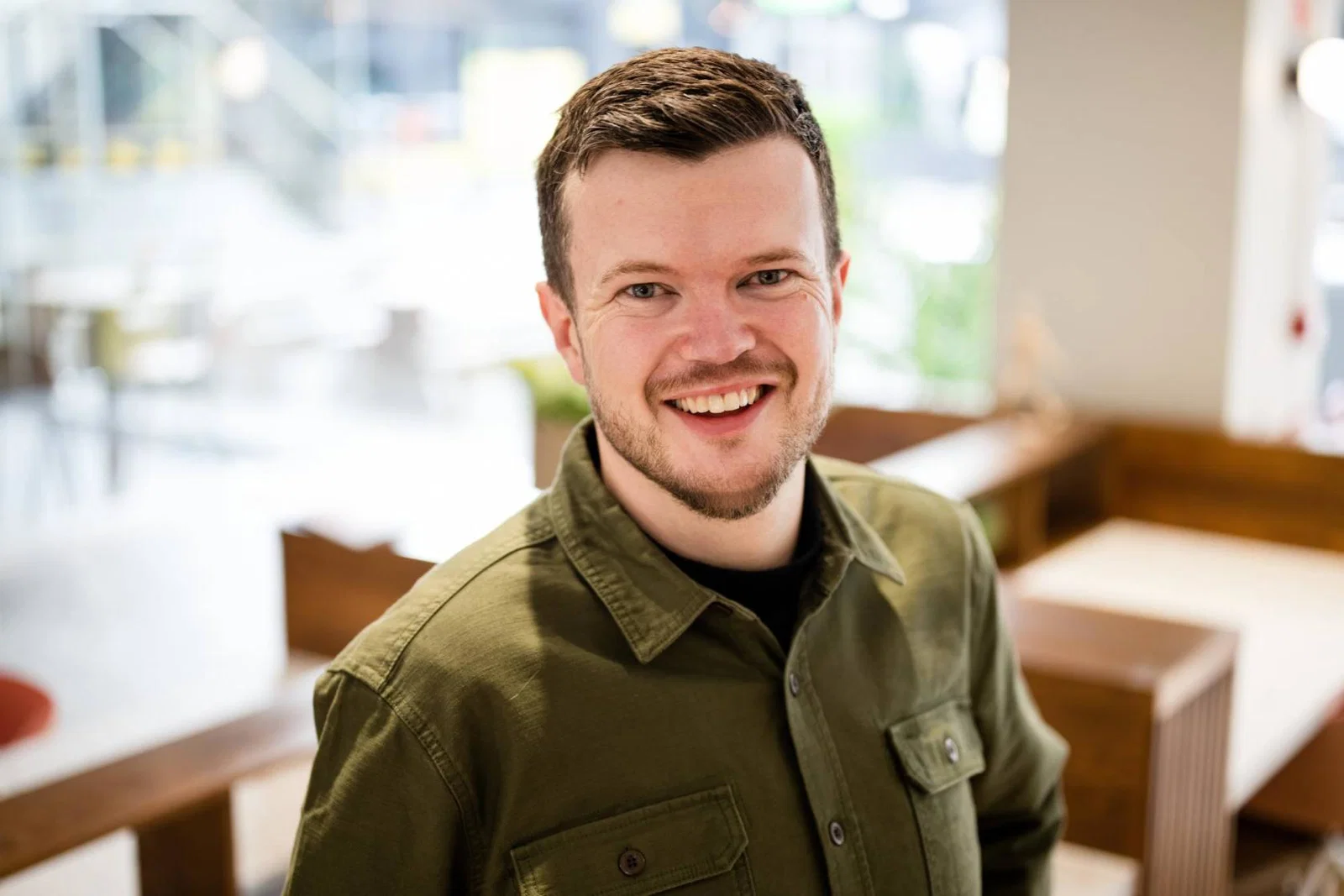
Drummond founded the now Travel Industry Awards-winning business 10 years ago after leaving a career in investment banking following his muscular dystrophy diagnosis, a progressive muscle-wasting condition.
Determined to travel while he still could, he set off on a round-the-world trip, only to discover first-hand how difficult it was to travel with a disability. "There was so little information available, and there was nothing that made accessible travel feel aspirational or positive," he said. "It always felt quite negative and clinical."
It was his experience in the Galapagos Islands that became the catalyst for launching Limitless. After being assured a wildlife excursion would be accessible, Drummond discovered he first had to board a small tender before climbing onto a larger boat in open water.
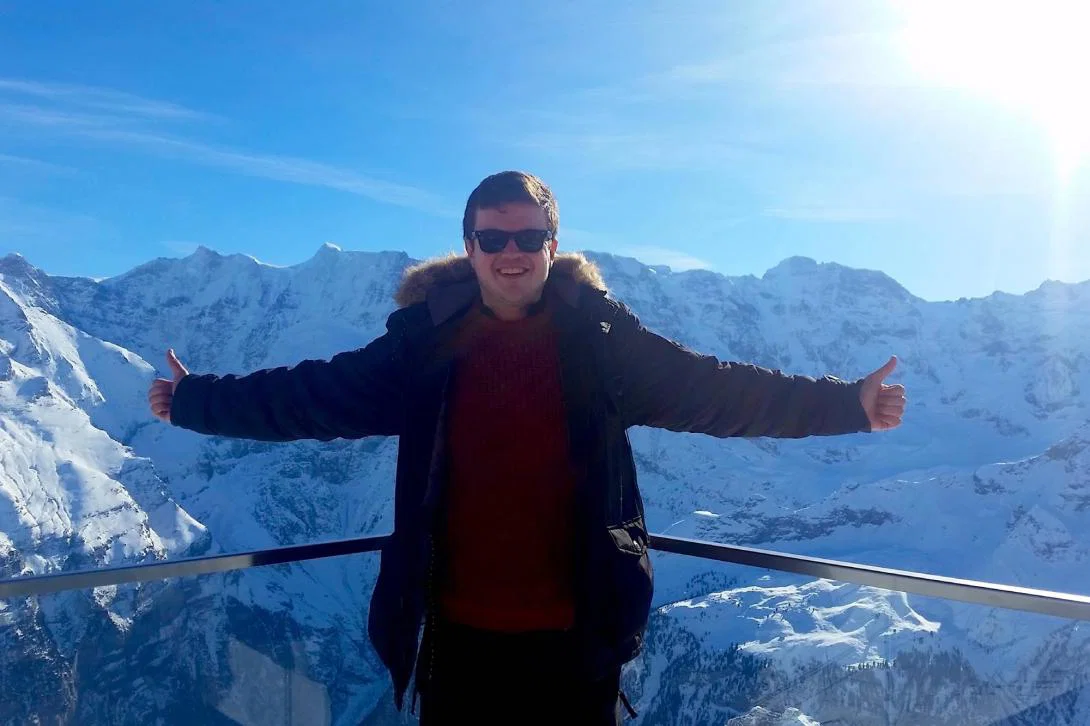
Drummond set off on a round-the-world trip following his diagnosis, only to discover first-hand how difficult it was to travel with a disability
"I just always felt it was crazy that somewhere like the Galapagos, this amazing destination, had so little accessible travel support," he said.
Ten years on, Drummond believes awareness of accessible travel has improved, but says meaningful change across the industry has been disappointingly slow.
"What surprised me is how is slowly it has evolved over the last decade," he said. "There's been some change, but in recent years, it's really stagnated."
'Airlines aren't set up effectively'
Drummond is calling for stronger legal protections, including clearer rights for wheelchair users travelling by air, greater consistency around accessible accommodation, and measures to address the additional costs many disabled travellers face.
"Often, as a wheelchair user, you can't travel independently because the airlines aren't set up effectively," he said. "But then there's no provision for a discounted ticket for a carer. You can't travel independently and you have to pay for two seats."
'Is direct action the only way we will make progress on accessibility?'
He believes hotels could also do more by investing in equipment such as hoists and specialist beds, while making accessibility information far easier for guests to find before they book.
"Sometimes, just seeing a website that says, 'We welcome disabled travellers,' or, 'Please see our accessibility information,' shows they've actually thought about it," he added.
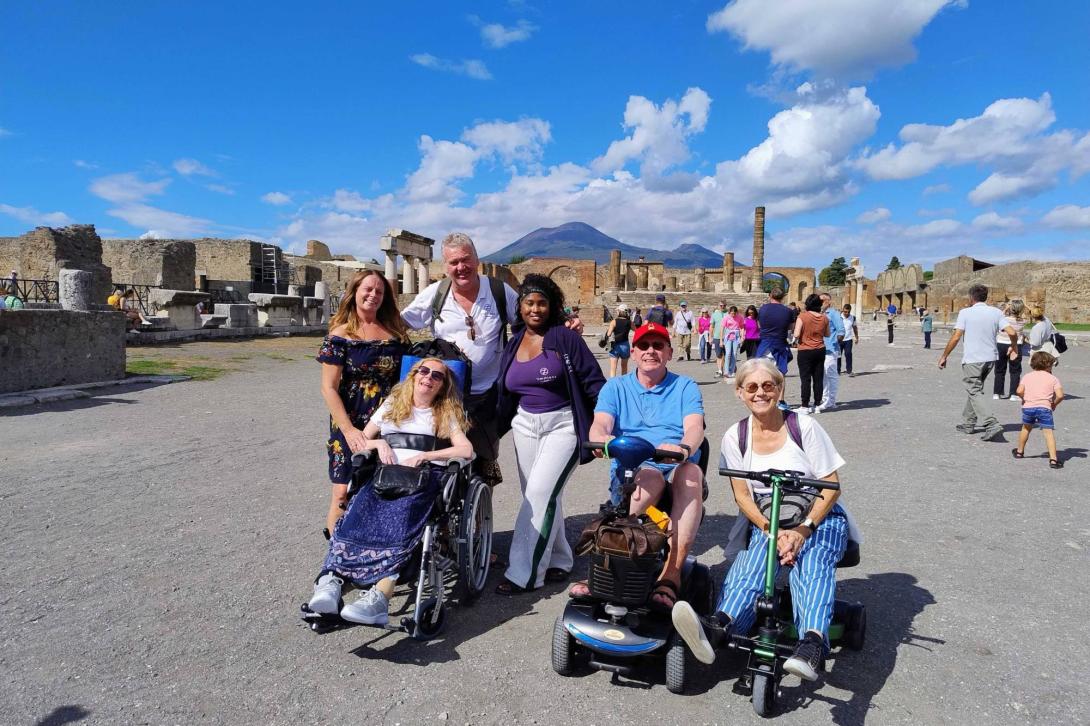
Spain and Italy are popular choices for Drummond's customer base, with Spain in particular making 'meaningful progress'
Despite his frustrations, Drummond sees encouraging signs. He sits on the Spanish Tourist Office's accessibility advisory panel, and says Spain is among the destinations making meaningful progress.
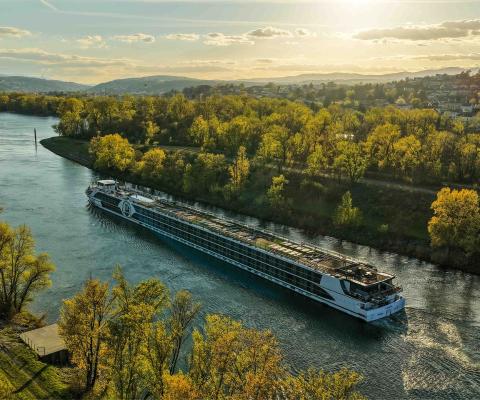
Over the past decade, Limitless Travel has also expanded its programme to include escorted holidays across Europe alongside accessible cruises with partners including Carnival Cruise Line, P&O Cruises and A-Rosa River Cruises.
"Cruising all round is a great experience for our guests," he said. "Ships are so well designed for accessibility, and the onboard staff are there to support people."
Among the operator's most memorable trips was a recent cruise taken by a couple living with dementia. The wife, who had become her husband's primary carer, later told Drummond it was the first time in years they had been able to enjoy a holiday together as a couple. "She saw parts of her husband that she thought had been lost forever," Drummond said.
'Open your doors and do more'
Looking ahead, Limited Travel intends to expand its offering to reach more disabled travellers internationally, all while focusing on delivering an "outstanding customer experience", Drummond said.
He welcomed the growing prominence of accessibility within the travel sector, but argued awareness alone is not enough. "It's great to see how much more awareness there is around accessible travel than there was even four or five years ago," he said. "But what I'd recommend is: do more.
"Open your doors to accessible travel, and to people with disabilities. Don't be afraid. Start the conversation, keep talking about it, and be part of the movement."