





Take a look through any number of mainstream travel brochures, websites, or magazines – and try to find information on an adapted room.
And then, try to find images of disabled models using these rooms.
You might be looking for a long time.
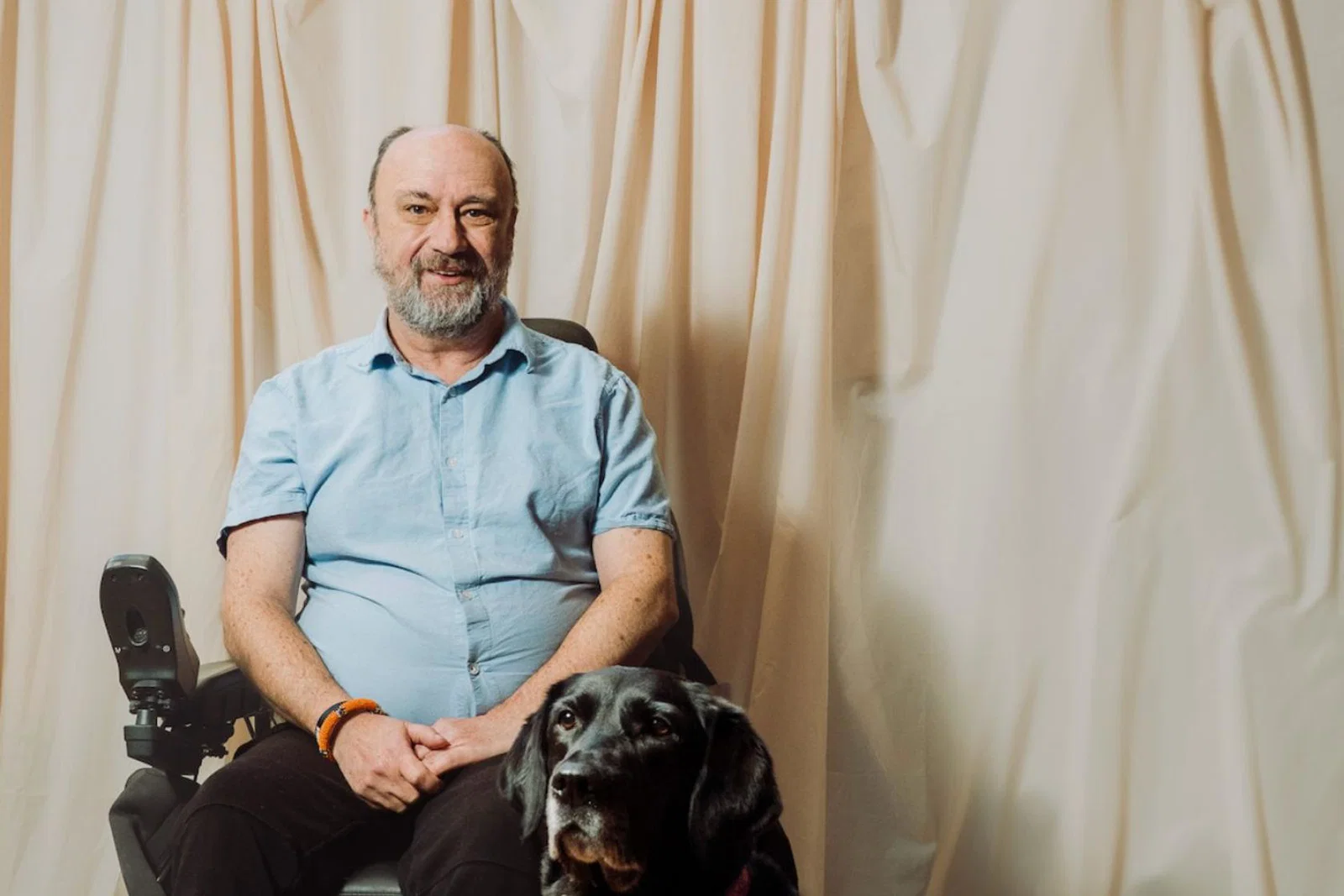
As a wheelchair user, I have become increasingly frustrated at being ignored by an industry I love – and feel passionately can do better.
The ‘invisibility’ of disabled people in travel marketing is a systemic problem, rooted in a mix of outdated assumptions, fear of legal liability, and a narrow definition of aspiration.
I want to see myself in a brochure – and just as importantly, I want to see the rooms I would use, as well as the holiday I would experience.
The lack of representation of disabled people is indicative of a wider issue – it gate-keeps essential information about the travel experience. Think about it: a non-disabled client is entitled to full information about their holiday, so why shouldn’t a disabled traveller be too?
Authentic travel marketing must intentionally include people with disabilities. When imagery reflects diverse abilities, it sends a clear signal that your properties and experiences are truly accessible.
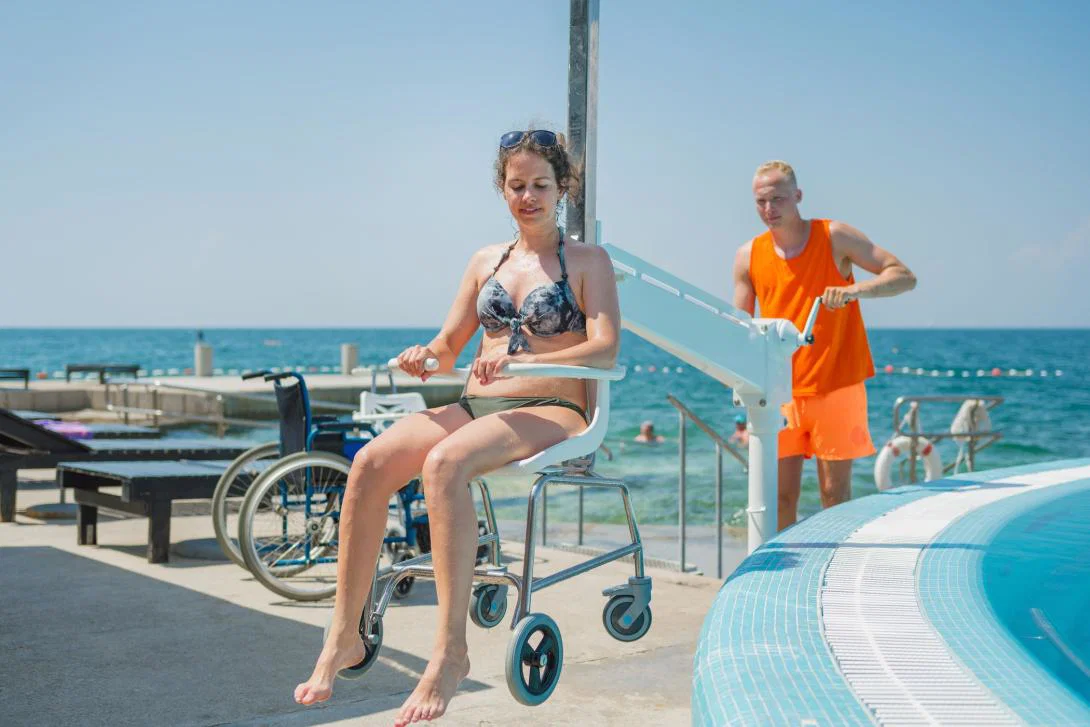
Representation is crucial so that travellers with disabilities know they can use a destination's facilities
This lack of representation is even more prevalent in the luxury sector, where too often, brands mistakenly believe that making disability visible in their marketing breaks the illusion of a perfect, effortless getaway. They may worry that showing a wheelchair user or a blind person with a guide dog might make a destination look ‘medical’ rather than ‘magical.’
Or, they believe the myth that disabled people have less disposable income or don’t want to travel.
These assumptions are outdated and need to be challenged. Recent research has shown that 78% of millennial travellers say they value diversity and inclusion, which flies in the face of traditional travel marketing wisdom.
As travel agents who specialise in accessible holidays (like myself) will tell you, the demand for inclusive travel is increasing year-on-year. Disabled people also have immense economic influence, with the estimated spending power of UK disabled families (the Purple Pound) valued at around £274 billion.
There is a clear case for a new approach by the travel industry. Tour operators and their marketing departments must stop airbrushing disability out of their materials. Disabled people should be visible, not hidden.
It’s time that, as an industry, we challenge the current trend of ableist marketing.
Find out more about homeworking in the TTG Homeworking Hub, packed with advice for existing and would-be homeworkers, and a Matchmaker tool to help you find the right homeworking company for you.