







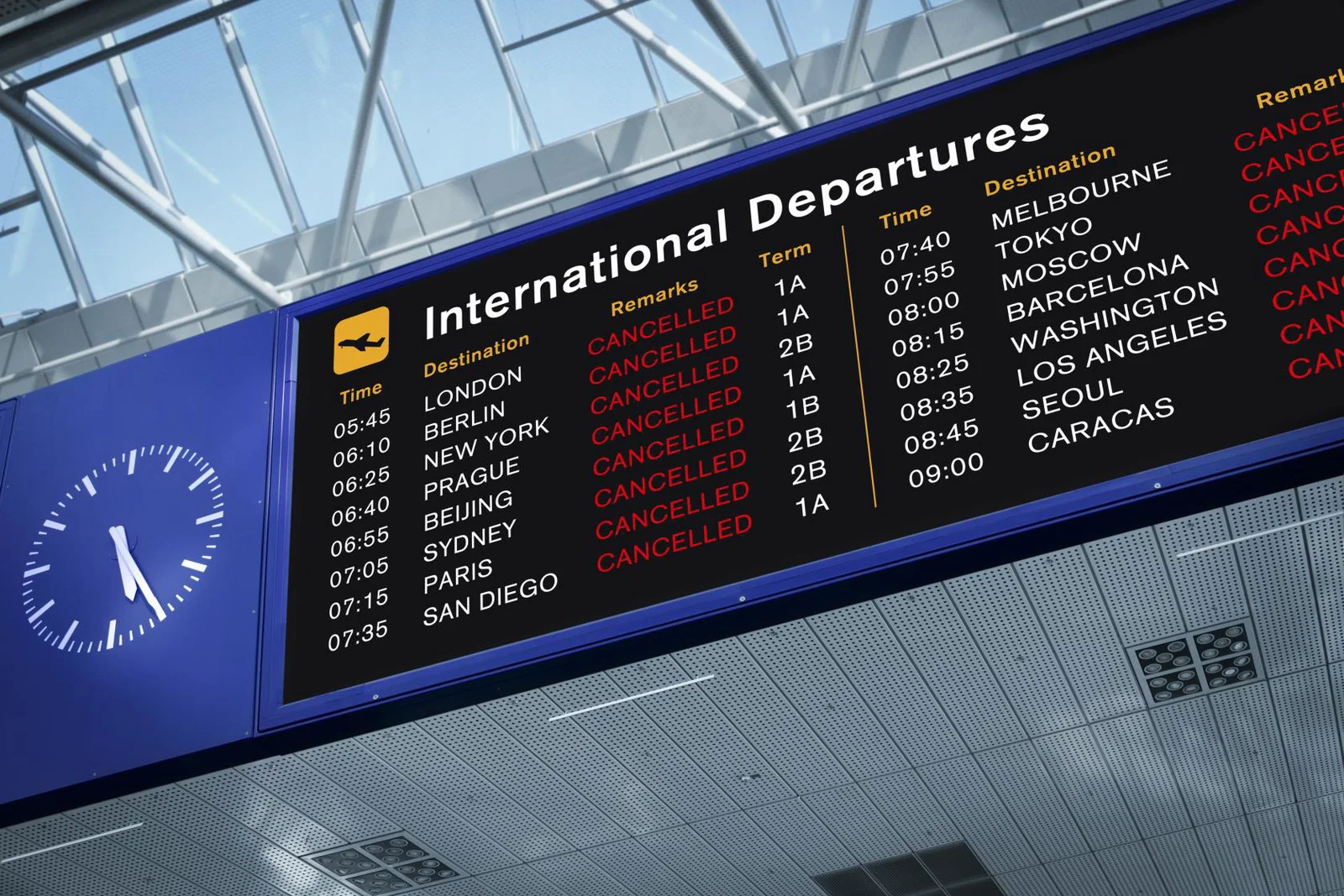
Spend five minutes on social media during a period of disruption and you could be forgiven for thinking airports are permanently closed, refunds are impossible and new visa rules have appeared overnight. It rarely reflects reality – but for travel agents on the frontline, the impact is very real.
In an environment where content can be created or manipulated in seconds, travellers are increasingly arriving with half-truths, outdated advice or false information.
Why this matters now
Travel has always relied on accuracy. Entry requirements, airline policies, disruption guidance and safety advice need to be correct. But that makes our sector vulnerable.
Firstly, the landscape changes fast. We saw it during Covid, but even now, airline policies or entry requirements can be misunderstood or misrepresented within minutes online.
Secondly, travel is a high-value, emotional purchase. That makes consumers more susceptible to believing what they want to be real – whether it’s a deal that looks too good to be true or a destination presented through heavily edited content.
Thirdly, the sources of information have multiplied. TikTok, YouTube and Instagram are now key research tools, but a 30-second video explaining visa rules is rarely a reliable substitute for official guidance. Layer in fake reviews, AI-generated content and bot-driven narratives, and confusion can quickly escalate.
What agents are seeing in real life
Events in the Middle East provide a clear example of how misinformation plays out on the ground.
As flights were cancelled and rerouted, incorrect information spread rapidly online about who was responsible for supporting affected travellers. For agents, that translated into difficult conversations with clients who believed they were being let down – when in fact the issue lay elsewhere.
At the same time, fragmented information created further confusion. Travellers reported being told flights were cancelled, only to later find them operating at higher prices. Others were unsure whether to contact airlines or booking agents for support. In the absence of clear, consistent communication, some travellers began forming their own information networks via WhatsApp and social media to share updates.
How agents can counter misinformation
While the problem isn’t going away, there are practical steps agents can take to stay ahead of it.
1. Be the most reliable source in the room
When clients arrive with conflicting information, confidence matters. Agents who can clearly explain what is correct – and why – immediately position themselves as the trusted authority. That means leaning on verified sources, supplier updates and official guidance, rather than engaging in speculation.
2. Address misinformation early
A lot of confusion escalates simply because it isn’t corrected quickly. If a client references something inaccurate, tackle it head-on. A simple, factual explanation can prevent a misunderstanding from turning into a complaint later further down the line.
3. Use supplier relationships
During disruption, suppliers will often provide agents with the most accurate and up-to-date information. Sharing this directly with clients – whether via email, phone or social – helps cut through the noise. It also reinforces the value of booking through a travel professional rather than going direct.
4. Set expectations upfront
Many issues arise from misunderstandings around responsibility. Being clear at the point of booking about who does what – particularly in disruption scenarios – can prevent problems further down the line.
5. Build trust before it’s needed
The agents who handle misinformation best are those who already have strong relationships with their clients. Regular, clear communication - whether through newsletters, social content or one-to-one conversations - builds credibility over time. When confusion arises, clients are far more likely to come to their reliable agent first.
The opportunity for agents
Misinformation is undoubtedly a challenge, but it also highlights the value of expert advice. When travellers are unsure what to believe, they look for someone they trust. Agents who can provide clarity, reassurance and accurate information aren’t just solving a problem – they’re strengthening their position. In the current world where rumours can travel faster than passengers, being a reliable voice isn’t just helpful, it’s a commercial advantage.