






The expedition line’s ship Maud started the year in dry dock before transferring over to sister line Hurtigruten in the final quarter of 2024, partially skewing the figures.
"2024 was an unusual operating year for HX with extensive docking across the fleet," said an HX spokesperson. "Maud entered the year in dry dock and was transferred to Hurtigruten in Q4.
"During these docking periods, fuel is still consumed, and waste is still produced. This means the emissions and nature results from this year are not comparable with previous years. Overall figures are lower, but per available passenger cruise night figures are higher."
HX on Monday (28 April) claimed a string of environmental, social and governance (ESG) successes in the brand’s first independent ESG report.
Last year, the line dedicated 1,911 cruise nights to guest scientists, prevented the equivalent of 45 million plastic bottles entering the ocean and became the first expedition cruise company to launch an accredited university module for guests and staff, in partnership with the University of Tasmania.
Notably, total CO2 emissions dropped by 27% as the line targets carbon neutrality for Scope 1 emissions by 2040 and to become net zero across Scope 1, 2 and 3 by 2050.
Scope 1 emissions represent a company’s direct greenhouse gas (GHG) emissions from sources it owns or controls, while Scope 2 emissions are indirect GHG emissions resulting from the consumption of purchased electricity, steam, heat or cooling by an organisation.
Scope 3 emissions are indirect GHG emissions that occur in an organisation’s value chain, including upstream and downstream activities not directly controlled by the organisation.
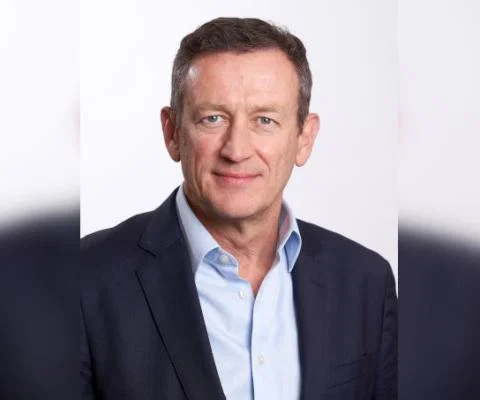
HX chief executive Gebhard Rainer described the report "an important milestone in HX’s journey as an independent company". “It reflects not only the tangible progress we’ve made, but also our unwavering commitment to setting a new standard in sustainable expedition travel," he said.
"Transparency, innovation, and responsibility are central to our operations, and we believe this report demonstrates how those values translate into real-world impact.”
Meanwhile, Felix Hamer, HX’s sustainability strategy manager, added: “We operate in some of the most fragile and awe-inspiring places on the planet.
“Whether it’s eliminating single-use plastic, launching the first university course at sea, or reducing emissions through smarter itinerary planning, this shows what’s possible when sustainability is embedded in everything we do.
"Our goal isn’t just to explore responsibly, but to actively protect and restore the environments and communities we connect with.”