




Tell us about House in the Wild and how it came to be?
House in the Wild started life as our little family home – a humble mud hut on what was then a bankrupt bean farm. It was tired land where wildlife had all but disappeared. Bit by bit, alongside our neighbours, we set about restoring the land: removing fences, bringing back wildlife, and learning how to graze cattle in a way that helped the grasslands recover. As the place flourished, so did our home – growing from a simple hideaway into a small, characterful lodge where we could welcome guests to share in this wild corner of the world. Today, House in the Wild sits at the heart of a thriving conservation area, a place where every stay helps keep the land and its people thriving too. We have now added several exclusive use villas, which form a part of Collection in the Wild.
What is the conservancy model and how does it differ from other ownership models in Africa?
The Enonkishu Conservancy model is a community-driven approach to modern conservation, transforming overgrazed, barren land into a thriving habitat. This fertile, high-rainfall area was under constant pressure to be cultivated – farming that used to clear grasslands, reduce biodiversity, and push wildlife out.
Working hand-in-hand with local landowners, we shifted from conventional grazing to holistic, regenerative land management, restoring grass cover, soil health, and water retention. As the land healed, wildlife returned, and today it supports both tourism and healthy cattle herds.
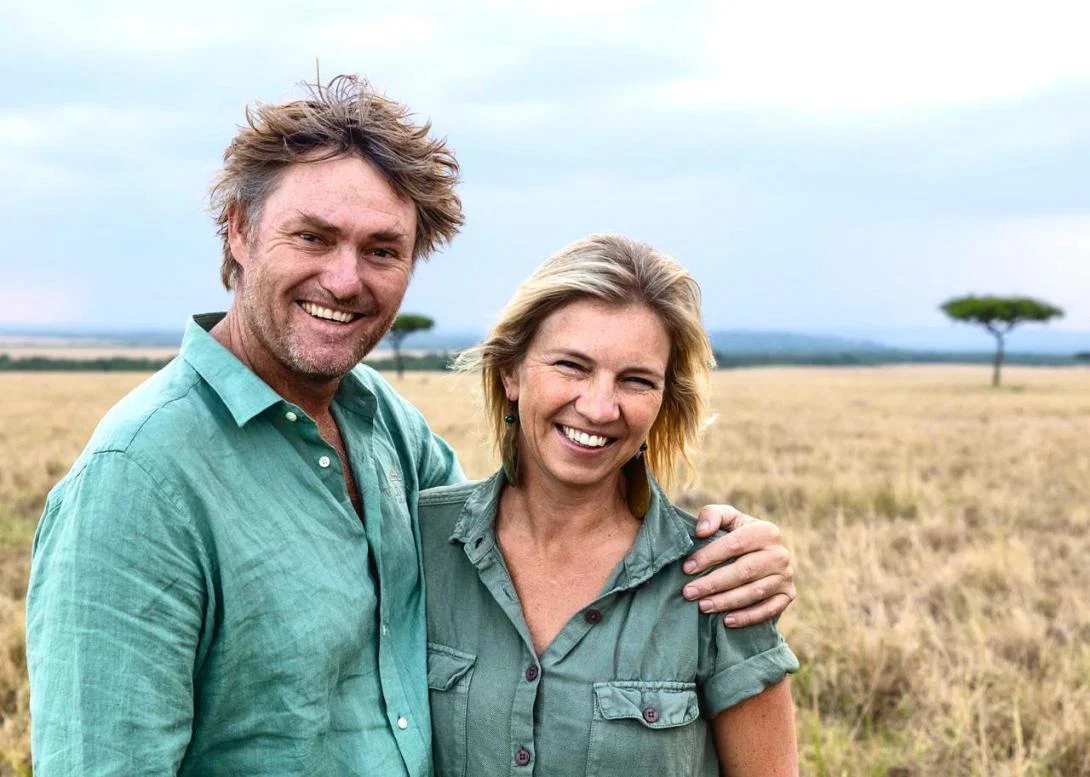
Tarquin and Lippa Wood, owners of House in the Wild
Enonkishu is fully community-owned, with every landowner earning more per acre from keeping their land wild than from farming. Income comes from tourism leases and better-quality, not more, cattle. By managing the land holistically, we’ve moved from conflict to coexistence – making conservation the most valuable and sustainable choice for the community.
This summer, a safari photo went viral, showing many vehicles crowded round wildlife… what is the safari experience like in Enonkishu Conservancy?
That viral image of dozens of vehicles crowding around a single animal is, sadly, a reality in some safari areas – but it’s not the experience we offer. At Collection in the Wild, we see ourselves as part of the solution to overtourism. By opening up land for tourism that previously had no guests, we’ve expanded safe habitat for wildlife while creating space for a more respectful, low-impact safari experience.
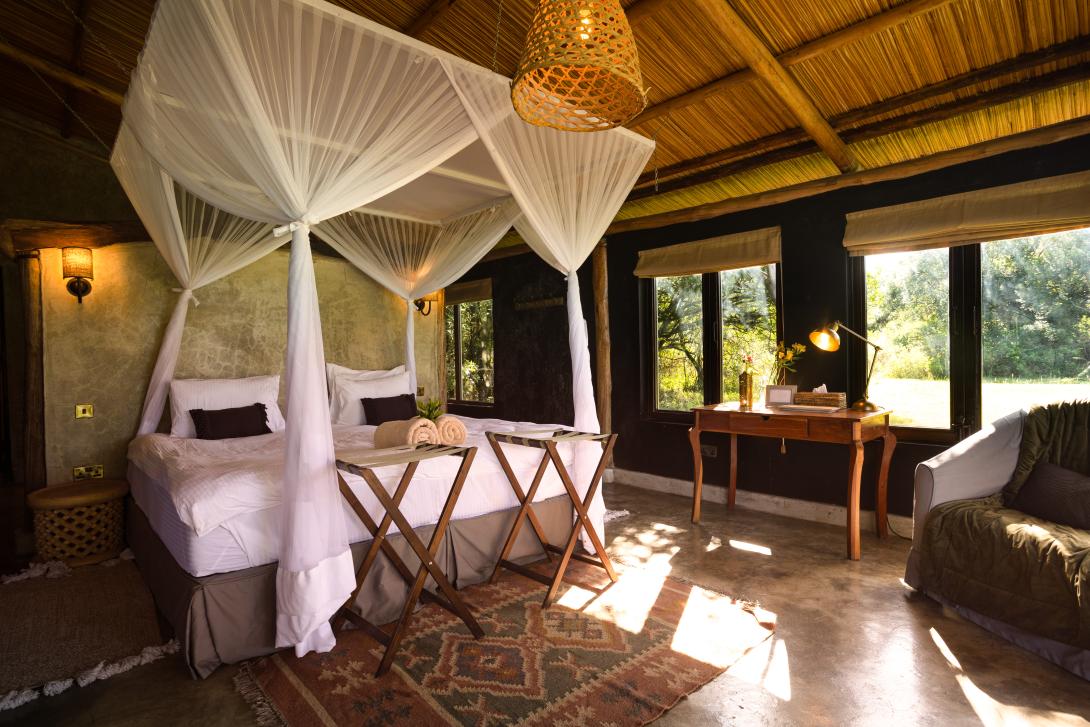
House in the Wild has 10 guest rooms
In our conservancies, vehicle movements are tracked and monitored. Guides are trained to keep a respectful distance, to avoid surrounding animals, and to share with guests the importance of giving wildlife space. We rarely go into the Maasai Mara National Reserve itself, preferring the quiet, private conservancies where we often have incredible sightings entirely to ourselves.
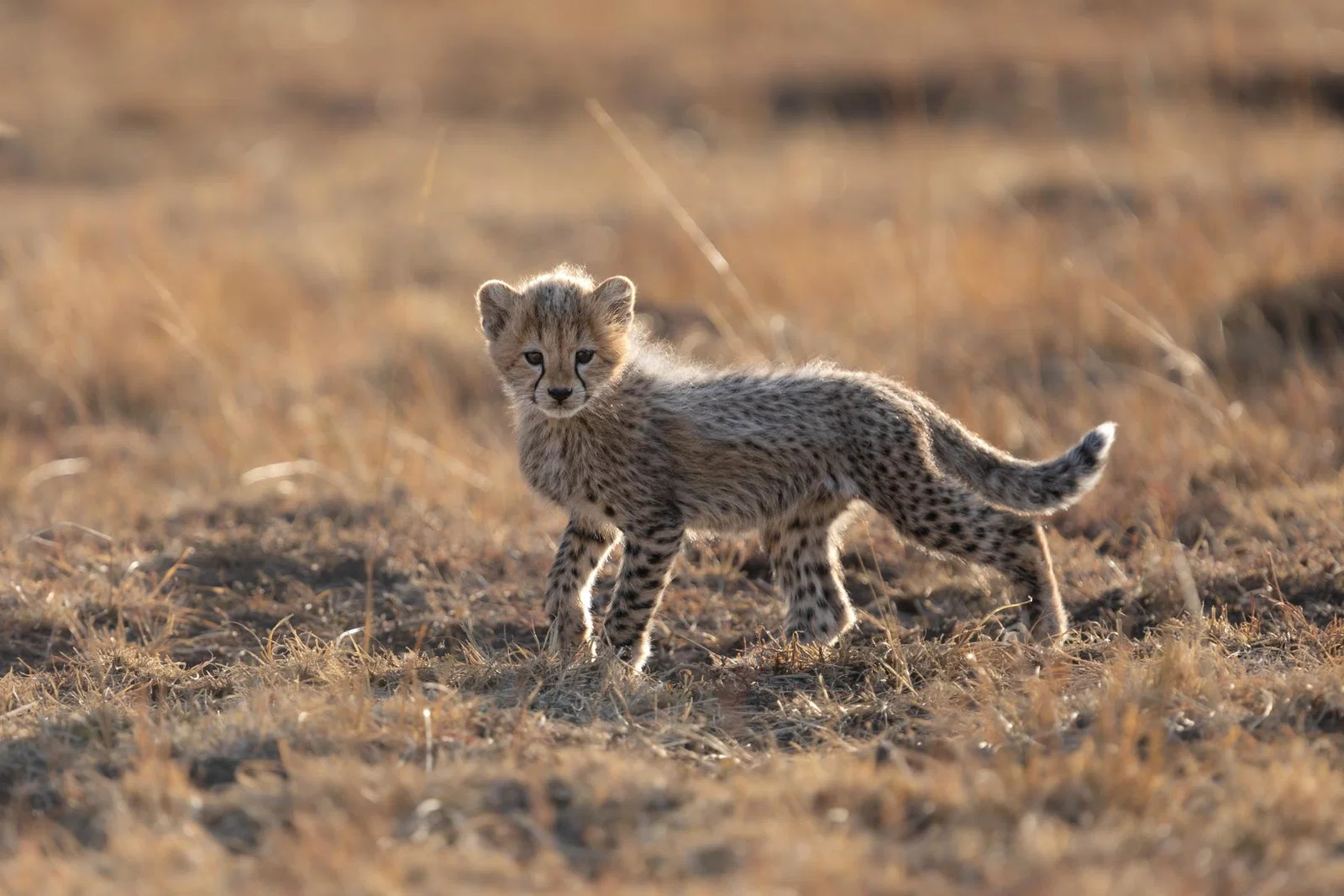
When we started, people said we were too far from “the action.” Now, we’re grateful for that distance – it means we avoid the hustle, yet enjoy extraordinary wildlife moments in peace. We’ve recorded new species in the area, from shy leopards to aardwolf, and recently welcomed two new lions to join the three established prides, complete with new cubs. The wildlife here is thriving, and our vision is to bring even more former farmland into conservation, ensuring these sightings remain wild, intimate, and unforgettable.
What community initiatives can your guests experience?
With Collection in the Wild, guests can experience the community and conservation projects that are part of our everyday life here. Visit the Women in the Wild to see beading, tree planting, candle and soap making in action – skills that create income while supporting conservation. Join rangers as they carry out wildlife monitoring, help move mobile livestock bomas to improve grasslands, or put up lion lights to protect cattle and reduce conflict. These aren’t staged activities – they’re the real, day-to-day efforts that keep our conservancies thriving, and guests are always welcome to be part of them.
You launched e-bike and horse-riding safaris earlier this year – they sound adventurous but how safe are they?
Our e-bike and horse-riding safaris are designed to be both adventurous and safe. For horse-riding, we use well-trained horses, experienced safari guides, and always have radios and rangers nearby. Rides are only in the conservancy and are offered exclusively to experienced riders, ensuring both guest safety and animal welfare.
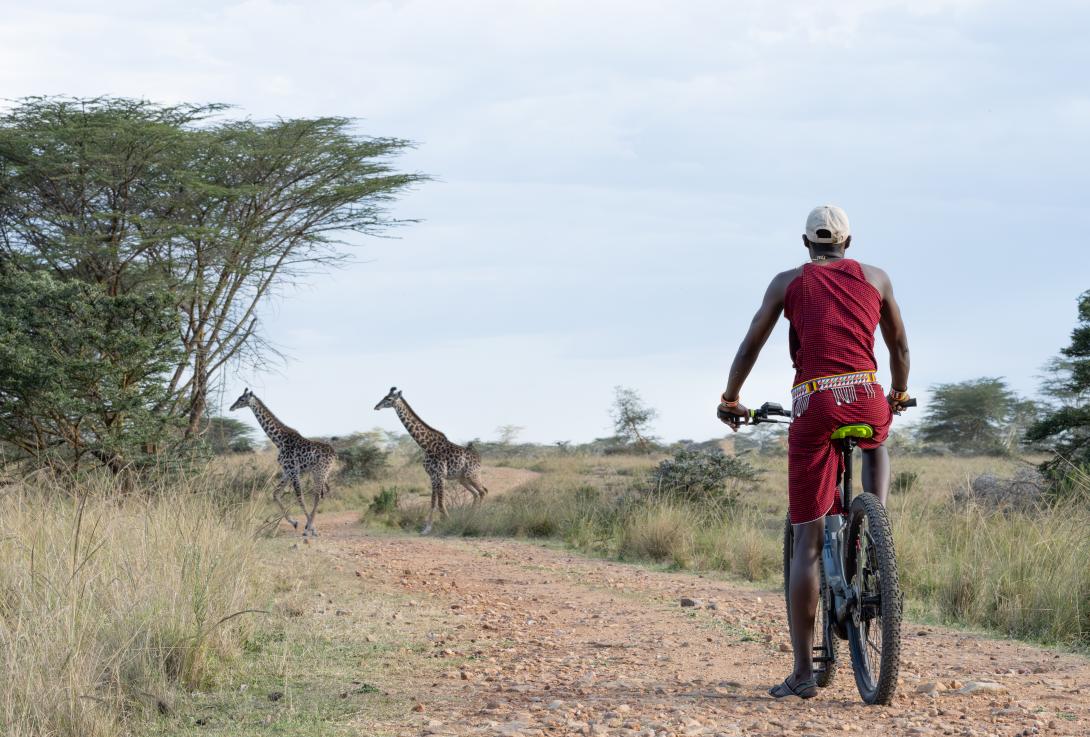
E-bike safaris are a new introduction for House in the Wild
E-bike safaris are fully supported, with a vehicle following at a safe distance. Routes can either explore the conservancy or pass through the nearby village – offering a wonderful slice-of-life experience – depending on what guests would like. Whether on two wheels or in the saddle, every detail is carefully planned so guests can enjoy the thrill of the journey with complete peace of mind.
Further information: Agents can book House in the Wild through many tour operators including Carrier, Audley Travel, A&K, and Elegant Resorts, plus Bush and Beyond, a Kenya-based DMC. To find out more about the property contact, UK representative Liz Harper at liz@lh-travel.com