



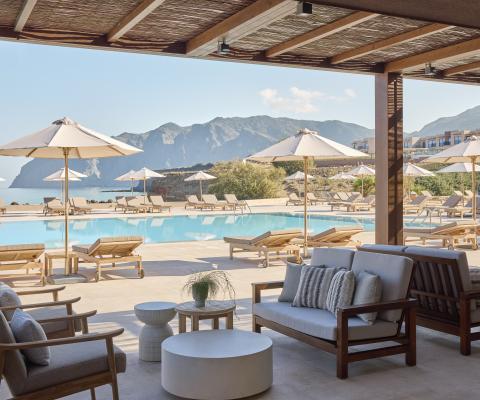




Chris Haslam, chief travel writer, The Times and The Sunday Times, predicted the Mediterranean would remain the core mainstream destination and instead of other destinations muscling in, the Med season would continue to extend, with high season effectively now lasting from April to October.
He said the current conflict in the Middle East would not stop the typically resilient British people from travelling: “They will be asking themselves, where can we go that is safe? Short-haul. Whenever it kicks off in the Eastern Mediterranean, the Western Med does well."
He warned: "Those who don’t make a decision quickly will be left behind,” he warned.
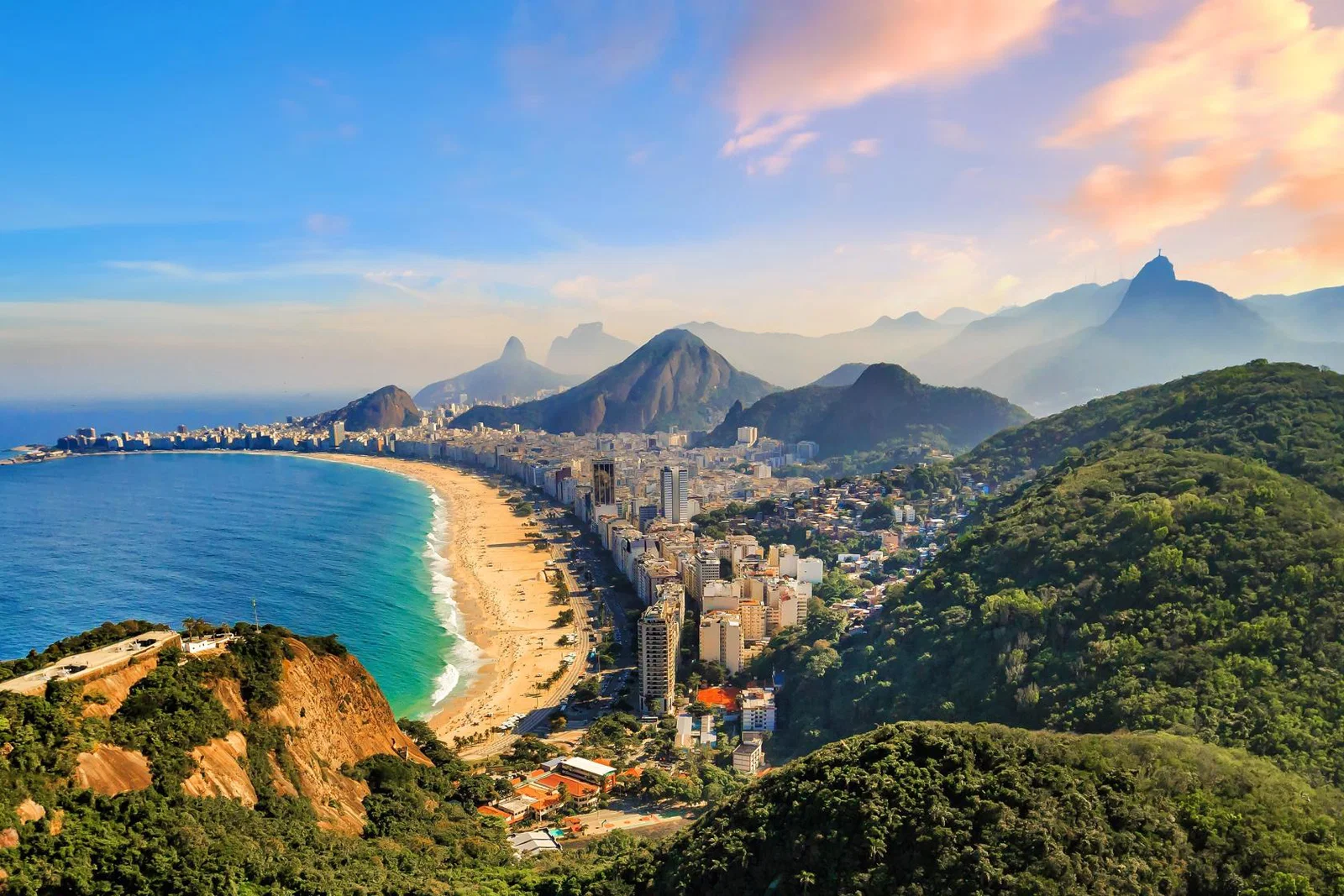
Looking further afield, Haslam tipped Latin America and the Caribbean to do well. “It could be Latin America’s year, at the expense of Asia Pacific,” he said.
He dismissed the reported rise in popularity of "coolcations" to Norway, Finland and Iceland as "wishful thinking" by the media. “The region does not have the infrastructure or the cost basis to take over.
“We will, however, see an increase in summer alpine holidays,” he suggested, noting the Alps were cooler than the beach but still an attractive holiday setting, with good food and wine.
Weather always a factor
Sandra Corkin, managing director of Oasis Travel, agreed good weather was a deciding factor, which she ultimately believes would dissuade people from booking the Nordics in great volume, although she did note an uptick in demand for cruises to the region.
“They don’t want to be in 40-degree heat, but they are happy with mid-20s, and that will push people towards northern Spain,” she said.
Long-haul, Corkin predicted Australia and New Zealand would do well, and also said Oasis had seen a real increase in business to South Africa. “Sri Lanka we’ve seen a bit of an increase, Vietnam too, and Japan remains popular.”
'We're in for a tough time'
NatureTrek managing director Andy Tucker agreed Australia and New Zealand could be in for a “a bit of a boom”. “It’s a strong year for the safe European destinations – Spain, France and Italy," he said.
"Our traffic to the US is down. People don’t want to invest in Trump’s America. People looking for a long-haul, English-speaking, safe environment with familiar food will be drawn to Australasia.”
He added: “I think we’re in for a tough time, with the Middle East and the Indian Ocean, India, Sri Lanka. We’re going to see bookings take a hit there. In fact, we haven’t taken a long-haul Asia-bound booking since Saturday lunchtime, and that’s going to be the case for a few days at least.”
'Trust and resilience are our stock in trade'
Haslam said the Middle East crisis was an opportunity for Aito members to show their value, because in times of trouble, travellers want people who can look after them: “If something goes wrong, I don’t want to be left on my own in Oman,” he said.
“And there are 130,000 people out there now [in the Gulf region] who have registered with the Foreign Office, a lot of whom went over there on an Expedia deal, and they’re stuck because it’s not a package and not protected by the Package Travel Regulations.”
Introducing the panel, which also presented Aito’s latest consumer research carried out earlier this year, executive director Martyn Sumners emphasised the crisis was an opportunity for travel agents and specialist operators to show their value. “Trust and resilience are two of the strongest forces that are at play in the Aito market," he said.
Sumners also reiterated the support offered within the Aito network. “There are still tough times ahead over the next few days, possibly over the next few weeks, and we all need to pull together," he added. "The Aito family is renowned for its sharing culture, and we are much stronger together than we are apart."