






I've spent years working at the intersection of travel and community impact. The question I get asked most is how we reduce the damage travel does; but I think that's the wrong question entirely.
For as long as I can remember, sustainability in travel has been about reducing harm. Fewer flights. Smaller footprints. Offset programmes. The whole conversation carries an unspoken apology, as if travel is something the industry needs to constantly defend. But reducing harm and generating good are not the same thing; and the difference between those two ambitions is where the real opportunity lives.
Nowhere is that distinction clearer than in how we think about carbon offsetting.
The problem with generic offsetting
Carbon offsetting is not inherently flawed. At its best, it can direct meaningful resources towards communities and ecosystems that need them most. The challenge is that standards vary enormously. Too often, trees are planted at speed and scale, with little thought for whether they are the right species, in the right place, or genuinely supported by the people living alongside them. Saplings that don't reach maturity don't sequester carbon. And programmes that don't deliver real value to communities rarely earn the long-term stewardship that trees need to survive.
The key insight is this: the more a tree means to the community growing it e.g. as a source of food, income, medicine, or cultural significance, the more likely it is to reach maturity and deliver the climate benefits it was grown for. Community value and carbon value are not competing priorities. They are the same thing. The most effective programmes strengthen communities' capacity to adapt to a changing climate, restore the biodiversity that supports their health and food security, and build more resilient futures from the ground up.
A different model: Trees for Days
The Trees for Days initiative, developed by G Adventures in partnership with Planeterra, is built on exactly this principle. For every day a traveller spends on a G Adventures trip, one tree is grown through community-led projects selected for their local relevance and lasting impact.
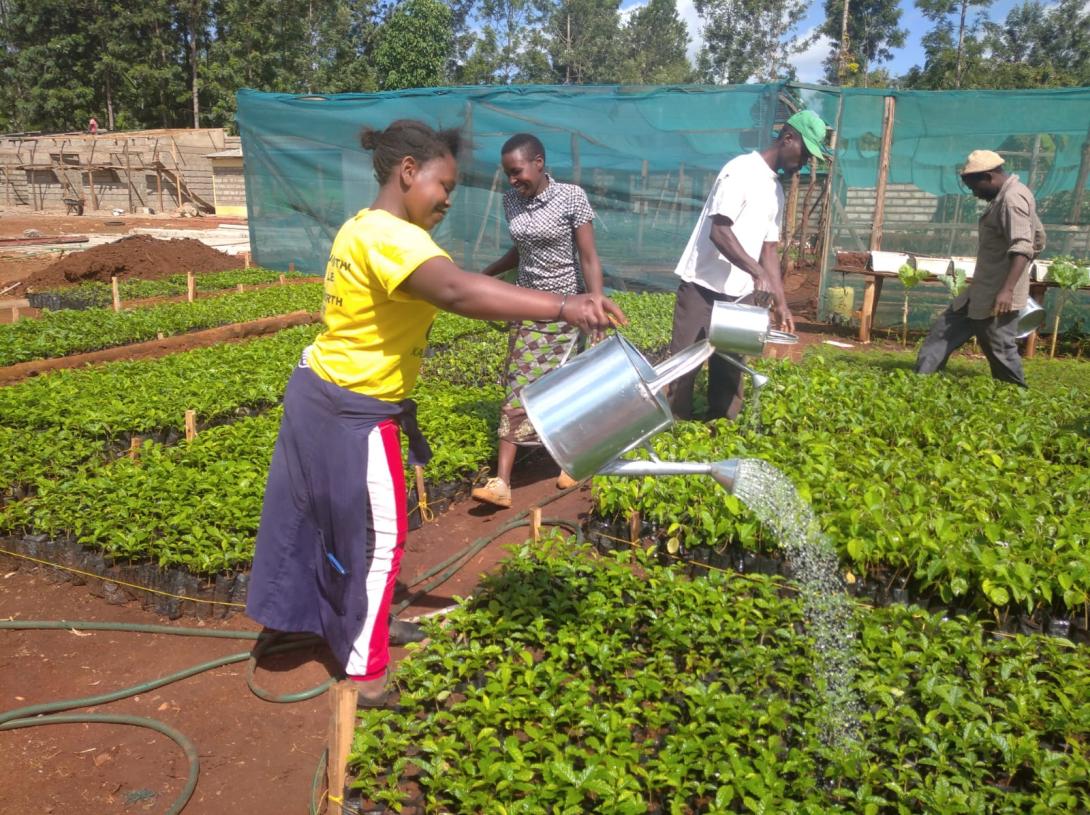
Planeterra partner Trees for Kenya is developing agroforestry that directly impacts household health and female financial independence
Since launching in 2023, the initiative has worked with 34 communities across 22 countries. Nearly six million trees have been grown in that time. This is enough, planted at average density, to blanket an area roughly the size of Manhattan. A global forest grown one traveller day at a time. But what distinguishes Trees for Days is the thinking behind each tree. By growing the right trees in the right places, these trees build resilience, restore biodiversity, and improve community wellbeing.
What that looks like on the ground
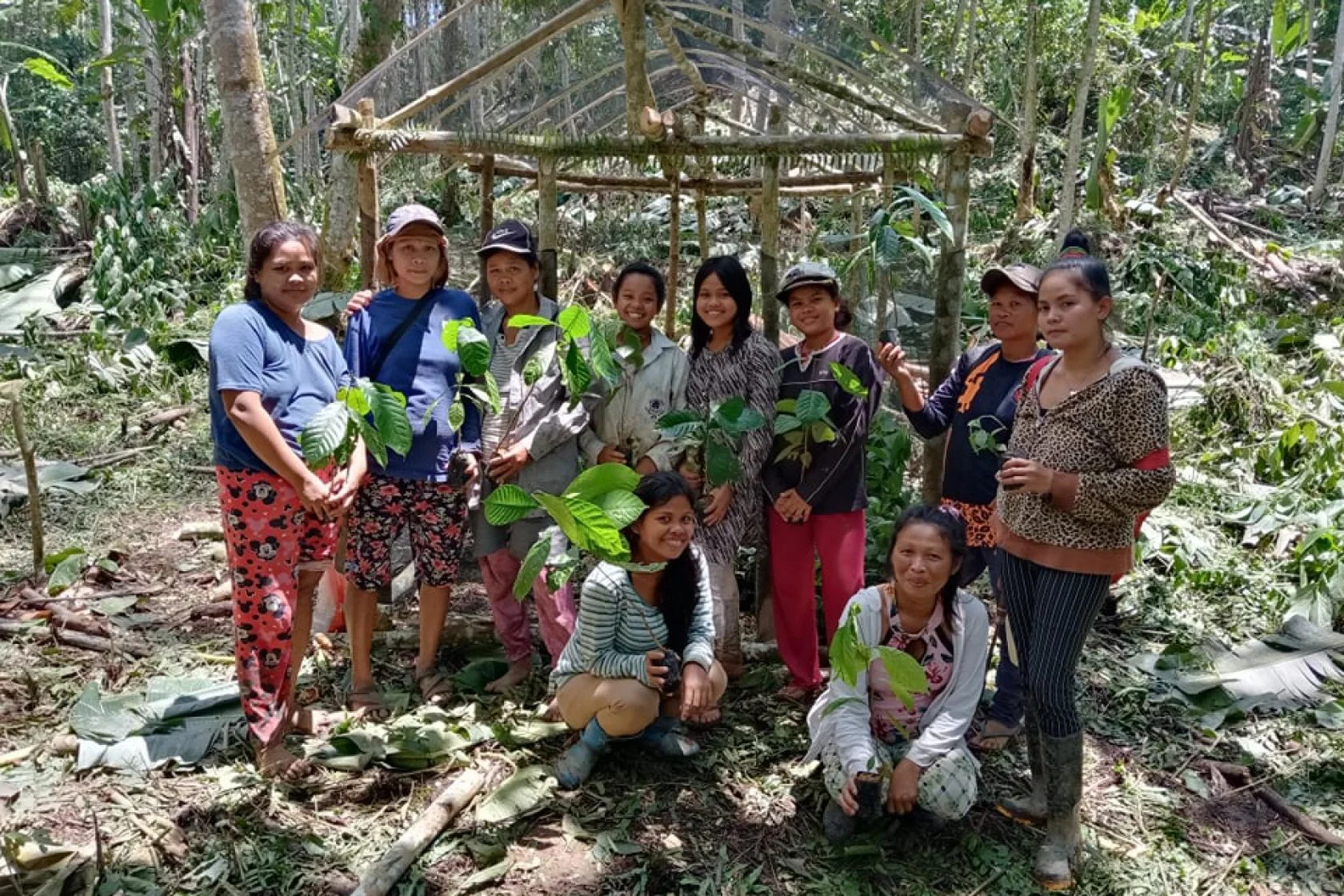
In the Philippines, the Higa-onon Indigenous community is restoring its ancestral rainforest (described as their "last refuge") after decades of decline forced families into illegal logging and mining to survive. The Tribes and Nature Defenders project has mobilised over 200 tribal farmers to grow thousands of native and coffee trees, restoring biodiversity, livelihoods, and cultural identity together. For the community's elders, this is a fight for "cultural nature survival", the recognition that the forest and the community cannot exist without one another.
In Kenya, farming communities in Embu have been battling persistent drought since 2024. Trees for Days has partnered with Trees for Kenya, which has grown and distributed over 300,000 seedlings across three years (mango, avocado, and medicinal Moringa) reaching 523 farmers and strengthening their resilience to an increasingly unpredictable climate. Approximately half of all seedlings have been sourced from women-owned nurseries, showing how tree growing can address climate vulnerability and support female financial independence simultaneously. Bella, aged 64, used her income to buy two hens, providing fresh eggs and a new source of income. Julia, aged 58, purchased a goat, improving her family's daily nutrition. These are not footnotes. They are the point.
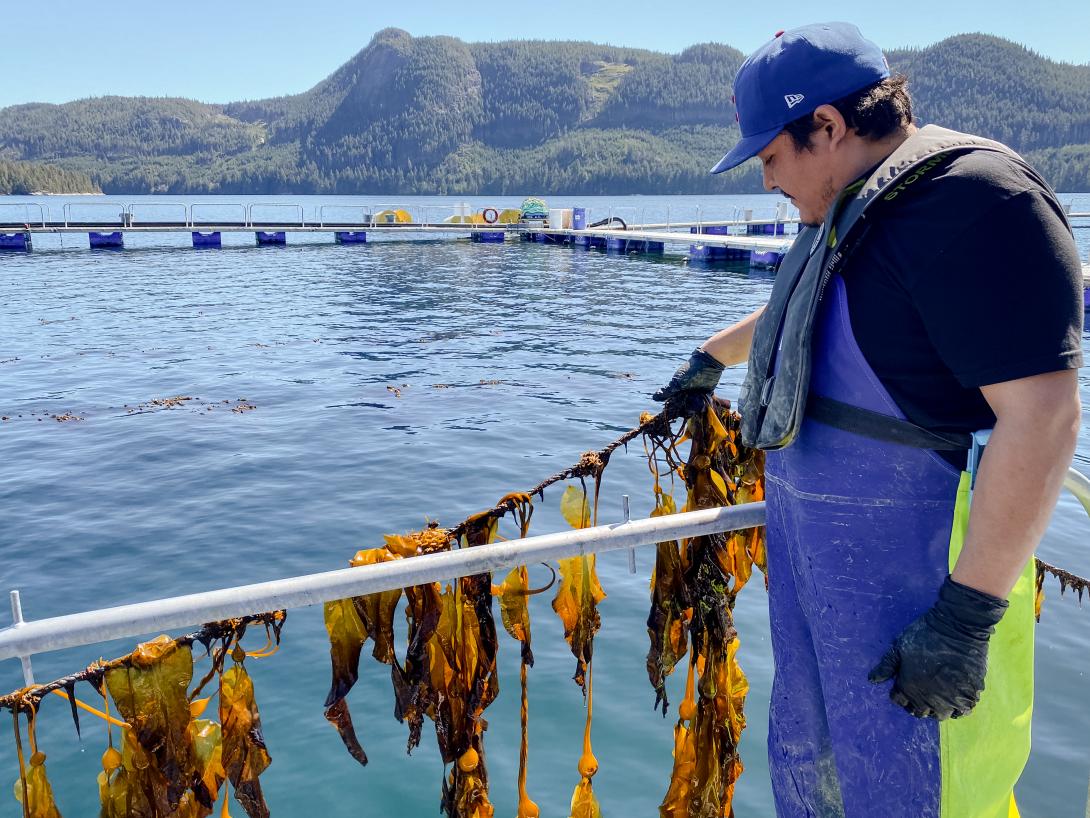
Coastal Kelp is working to restore underwater kelp forests in Canada, which underpin the traditional food system of local Indigenous communities
In Canada, the Coastal Kelp project, working with the Tsawwassen First Nation, Nuchatlaht Tribe, and Lax Kw'alaams Band, is restoring underwater kelp forests on British Columbia's Sunshine Coast. This "seaforestation" has triggered a remarkable ecological recovery, with scallops, oysters, shrimp, and rockfish returning to previously dead areas, directly improving the food security and cultural wellbeing of Indigenous communities whose traditional food systems depend on a healthy ocean.
How to recognise genuine impact
Ask whether communities are driving the decisions, not just providing the labour. Ask whether species reflect local need, e.g. food, medicine, shade, erosion control, rather than ease of scale. And ask whether there is a visible human story behind it; because if you cannot find out who is growing the trees and how their lives are changing, the impact probably isn't as deep as the marketing suggests.
Travel will continue. Done right, tree growing doesn't just help tackle the climate and biodiversity crisis, it helps communities adapt to it, recover from it, and build stronger futures because of it.
That is a story worth telling, and worth supporting.