






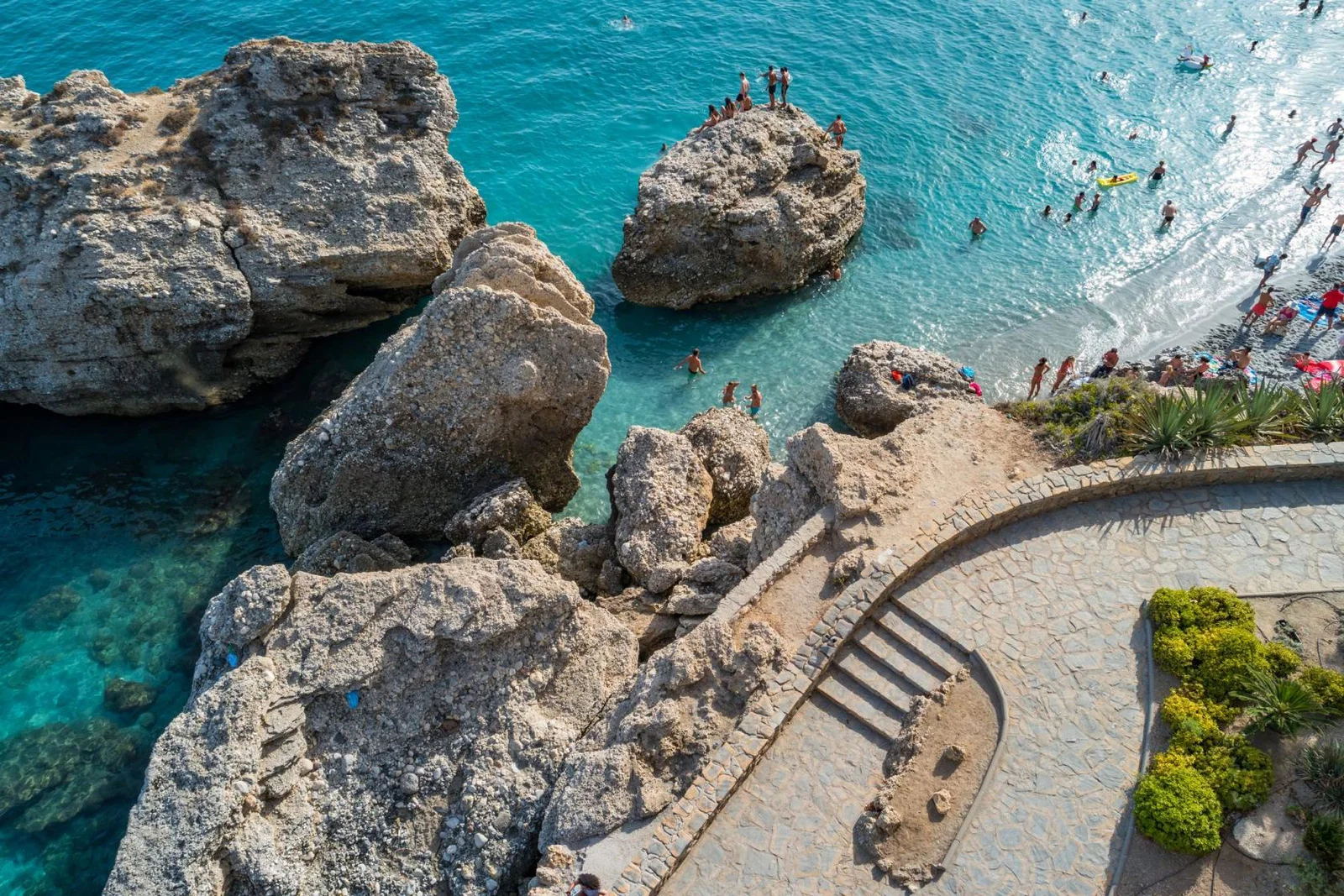
"The rain in Spain falls mainly..." goes the saying. Well, all to often, it's not on Spain's Costa del Sol.
So when, in two weeks’ time, the ITT conference goes ahead in one of Spain's most-loved destinations, it' important to remember our hosts have suffered many years of drought.
Water here is at a premium. As recently as September 2024, the Costa Del Sol faced a deep and worsening water crisis. Levels at the region’s reservoirs like La Vinuela fell below 25% capacity.
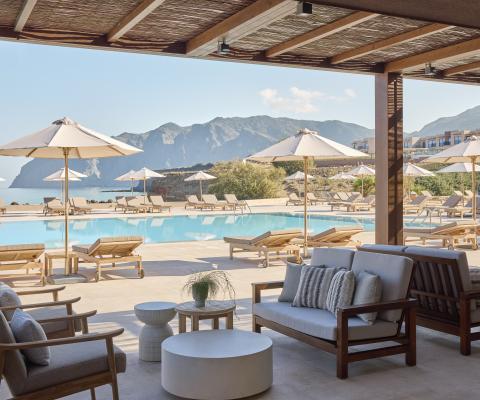
Local officials declared an emergency and implemented water-saving measures, including bans on filling private pools and watering gardens, as well as night time cut offs and fines for non-compliance.
Then, hallelujah, the heavens opened during winter 2025/26 and the region experienced its heaviest rain in years. This proved a godsend, replenishing supplies across the region.
However, one period of sustained rainfall does not negate the significant challenges southern Spain faces from chronic drought and climate change. Scientists warn shortages are likely to become the norm unless water management, infrastructure, and global cooperation all improve.
For residents, this means less water for showers, washing dishes and staying clean, while for the key agricultural sector, limits on irrigation threaten vital food production. So the need for judicious water use remains paramount.
Councils, communities, and homeowners all face long-term questions as to how resources can be managed. This is against a backdrop of a region experiencing dramatic growth over the past 15 to 20 years.
There has been an explosion in-house construction, while the relentless rise of tourism means hotels in the city of Malaga alone now number nearly 100.
Competition over water a 'source of friction'
The problem is by no means confined to the Costa Del Sol. Water scarcity is a Europe-wide issue. The European Environment Agency recently reported 30% of the EU’s population suffers from permanent water stress, rising to 70% during the summer.
This crisis has been steadily intensifying since 2010, with droughts increasing in frequency and severity. Using a benchmark of Q3 2022, Italy, Spain, Greece Portugal, Romania and Turkey all experienced shortages of between 30% and 40%. The impact was most acute in Malta (60%) and Cyprus (90%).
The underlying problems are prolonged higher temperatures and lower rainfall, compounded by increased demand from agriculture, industry and energy. However, the summer spike from tourism also plays a key role. Typically, demand stems from hotels, swimming pools and golf courses. Competition over water becomes a key source of friction with local residents.

Richards: 'As industry leaders, we must take back guidance to influence our own clients and teams'
It is important to note this in no way lessens the region’s support for tourism, particularly UK tourism, which remains the areas number one source market and its main economic sector.
Local mayors have insisted resources can be balanced to meet both the needs of locals without harming tourism. For example, leaders both in Malaga and Torrox have strongly defended maintaining beach showers, even during the 2024 water crisis.
The vast majority of remedial action happens locally. The destination is making concerted efforts to address the situation, with significant investment in measures such as dual-network systems separating drinking water from so-called "grey" recycled water, which is used for flushing toilets and irrigation in parks, gardens and farms. Such measures are increasingly included in designs from the outset. Other areas of investment include desalination plants across the region.
'Actions, habits and behaviours all matter'
However, significant challenges remain and, as in so many other areas, the biggest constraints are cost and regulation. A pan-European snapshot shows water reuse still undershoots potential, principally due to the cost of the infrastructure and regulatory complexity.
Major players in the travel sector are mobilising to tackle the problem. Just this month, Accor hotels launched a five-year sustainability innovation programme. Its first priority will be to focus on finding solutions across its portfolio to reduce water consumption, recognising water as a vital resource both for the hotels themselves and surrounding communities.
Iberostar’s “Wave of Change” programme, meanwhile, is known for protecting ocean health, but sustainable water management at its properties is also a key facet. The group has invested in smart infrastructure, particularly in destinations identified at high risk for drought and climate impacts.
So, how can ITT delegates help? Bearing in mind the importance of tourism, our hosts in Andalusia are more diplomatic in voicing concerns than other regions of Spain such as Barcelona or the Balearics.
ITT conference 2026
The 2026 ITT conference will take place over 8-10 June at the Higueron Hotel Malaga on the Costa del Sol, with TTG serving as media partner.
Besides bringing together a diverse line-up of industry leaders and thought-provoking keynote speakers, the conference creates valuable networking opportunities for industry professionals and new entrants.
Registration is open for member and non-member delegates, and there are also sponsorship opportunities available.
Baroness Ayesha Hazarika will return as conference moderator, and she will be joined by speakers from across the agency, tour operator, destination and technology sectors, and beyond.
Nevertheless, the "Trato Andaluz" – or “Andalusian Deal" – is a campaign created by the regional government to engage with visitors. It asks tourists to "sign a contract with their soul" in exchange for Andalusian hospitality.
The eight pillars include pleas such as to buy local, be polite, travel off-season, and explore the region's interior. Critically, “avoiding waste” and protecting essentials, notably water, is also key. Guests are asked to keep showers short, to reuse towels, to avoid wasting tap water, and to follow any local restrictions at beaches, hotels, an so on.
Sustainable habits and behaviours, it must not be forgotten, are a critical part of the solution, alongside bigger infrastructure projects. As tourism leaders, we are not only guests, but have the agency to learn more about the challenges our hosts are facing – and then take back guidance to influence our own clients and teams.
Patrick Richards is the director of sustainability consultancy TerraVerde Sustainability.
ITT will be examining many of these themes in a breakfast workshop in Malaga on Wednesday 10 June, which will be chaired by TTG CEO Daniel Pearce and will feature a strong panel bringing cross-industry expertise. Join us, if you can, to help strengthen sustainable bonds of cooperation and mutual respect between our Andalusian hosts, ourselves in the trade, and our customers.