





With its 250th year of independence, Route 66’s 100th anniversary and the world’s biggest sporting event – the Fifa World Cup – all just around the corner, perhaps the USA’s most defining period has finally arrived.
Yet despite these phenomenal, tourism-driving events – and years of build-up to them – recent visitation numbers for overall inbound travel to the country have failed to match the enormity of the moment, with 2025 international arrivals down by 5.5%, making the US the only country in the world last year to see a decline in international tourism. A 14.1% decrease year-on-year was also recorded last month (April 2026).
Referring to the concerning numbers, US Travel Associations’s president and CEO Geoff Freeman during the US Travel Association’s IPW told IPW press conference attendees: “we can't spin them".
Rising costs, entry concerns and air space disruption were all cited during Freeman’s conference as contributing factors to the USA’s current tourism landscape. The Trump administration was also alluded to without given too much blame, yet there’s no denying the president’s erratic and divisive leadership decisions have driven travellers away from the US – and agents selling it.
During IPW, the AHLA (American Hotel and Lodging Association) released reports stating host city hotels had not met the demand they had prepared for ahead of the Fifa World Cup, with 80% of respondents saying they are tracking below their booking forecast. Meeting with host destinations at IPW, it became evident that numbers were not what they had anticipated.
'We're in a once-in-a-generation moment'
But if there’s one thing to take away from IPW, it’s that giving up isn’t an option for the US.
When it comes to the World Cup, host cities – and even destinations not directly involved – were calling on last-minute travellers to visit and experience all their free and affordable World Cup-related activities and celebrations, whether with or without a match ticket.
New York City, for example, is rolling out free World Cup fan zones in the city’s most iconic locations (think Rockefeller Centre, Brooklyn Bridge Park etc), along with countless affordable initiatives across the city’s five boroughs. Maya Handa, FIFA World Cup Czar for New York City, assured IPW crowds they’ve been working closely with experts to deliver a “safe, affordable and exciting tournament experience for all”.
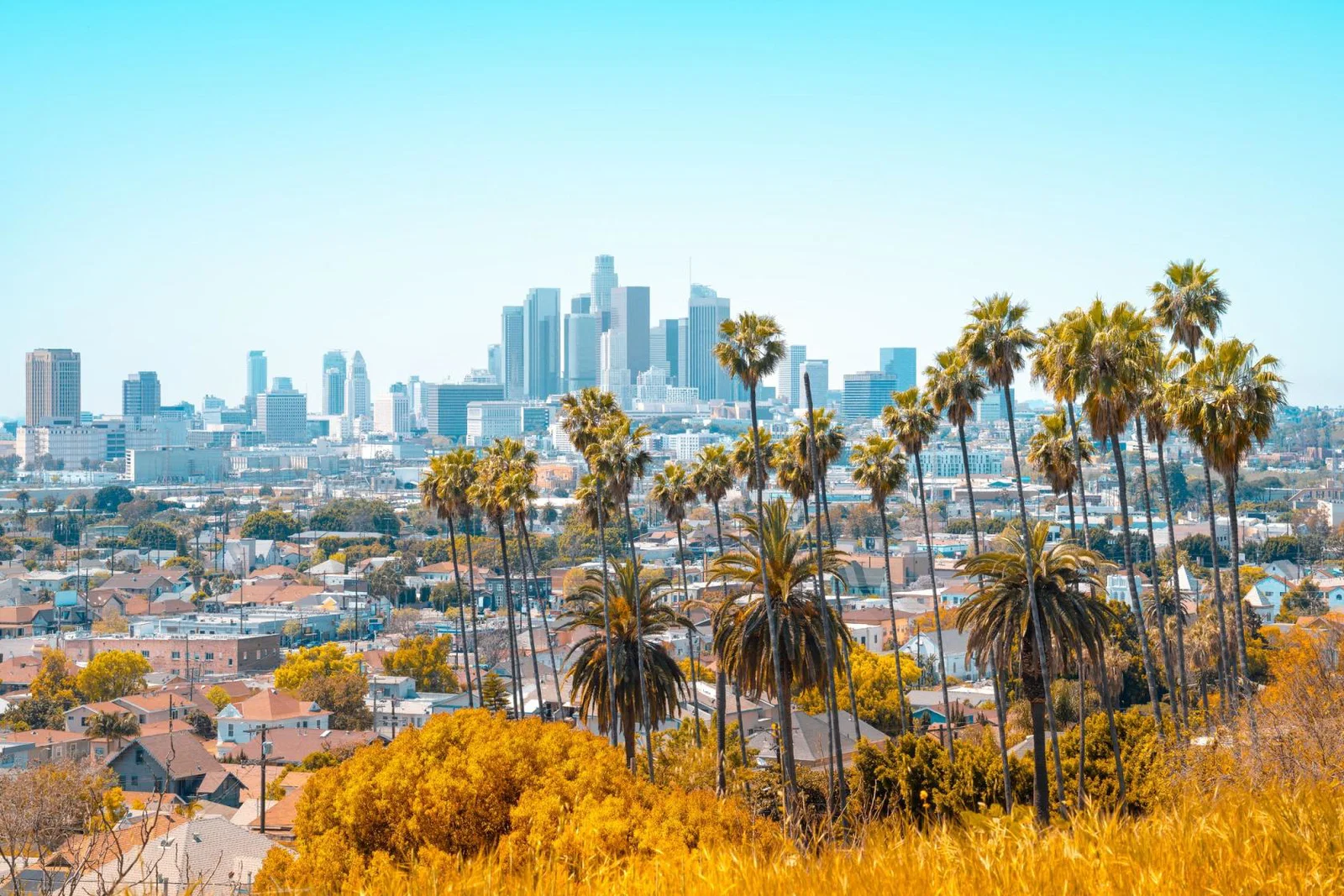
And the World Cup marks just the beginning of the US’s decade of sport, with all eyes heading to LA in 2028 for the Olympic Games, followed by the Men’s Rugby World Cup in 2031, the Women’s Rugby World Cup in 2033, and the Winter Olympic Games in Utah in 2034.
Referring to the above calendar of events, Freeman told IPW: "We're in a once-in-a-generation moment."
"All these things will make the United States a remarkably attractive destination, and we know when travellers come here, they leave with a better impression of the United States."
One example of how sporting events can make a positive impact on tourism numbers includes the recent Superbowl. Puerto Rico had already seen a 23% increase in European visitors in 2025, but visitor interest as now been bolstered thanks to this year’s Bad Bunny half-time performance, as revealed during the US territory's press conference.
America is ready, but are UK travellers?
However, the clearest acknowledgement at IPW was that major sporting events and landmark anniversaries alone will not be enough.
One of Brand USA’s newest initiatives, ‘Get Facts, Get Going’, launched during IPW, and was created in recognition that the US needs to work harder to restore traveller confidence in its priority markets – including the UK.
The online resource, part of the Brand USA's wider 'America the Beautiful' campaign, aims to educate international travellers with official information on a range of 'confusing' topics, including visas, entry procedures, national park fees and more.
“In each case, the facts tell a far more welcoming story than what travellers are hearing," said Fred Dixon, president and CEO for Brand USA.
If the challenge facing the US right now is as much about perception as it is product, then rebuilding inbound demand may depend less on what travellers can see on the calendar and more on how confident they feel about booking in the first place.
And that is where the travel trade play a particularly important role. Consumers may still have concerns about travelling to the US, but agents are often the people travellers turn to for reassurance, and this new tool can now provide their clients with immediate answers. As Dixon puts it, 'Get Facts, Get Going' "activates conversations by dispelling misperceptions."
Although this campaign was launched alongside another new initiative, ‘American Originals’ – a storytelling series aimed to inspire travellers, ‘Get Facts, Get Going’ felt like a refreshing, much-needed acknowledgment that the nation needs to work harder on its visitation recovery.
For US tourism leaders, the message from IPW was clear: America is ready and welcoming to international travellers. The next task is convincing travellers – and the agents selling it – to believe it too.