







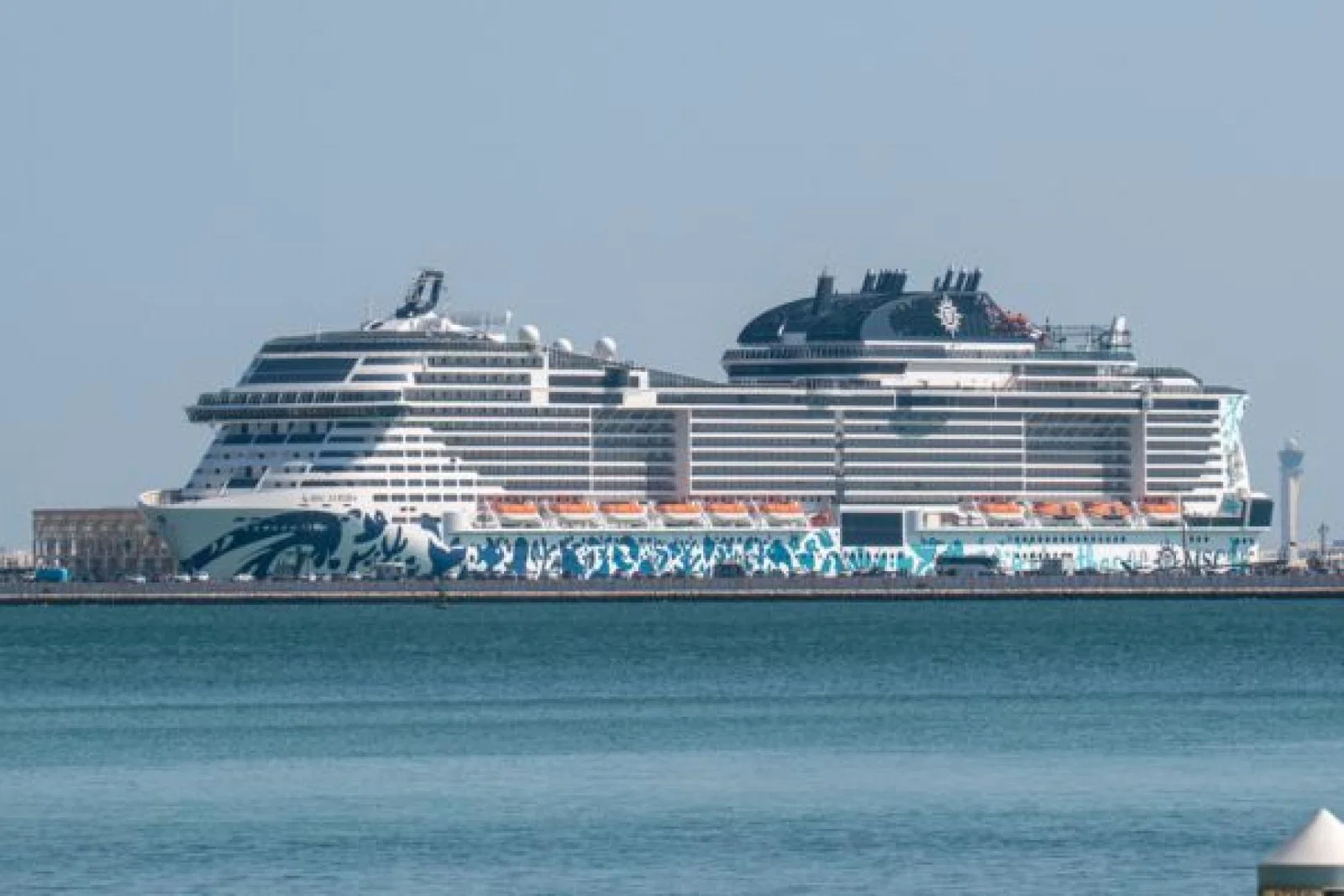
However, that number would have been far higher had the conflict in the Middle East started a few years earlier. In 2019, P&O Cruises, Celebrity Cruises, Royal Caribbean and MSC Cruises all had ships based in the region.
And that’s before factoring in European cruise brands like Aida Cruises, Costa Cruises and Tui Cruises, all of which had capacity in the Middle East that year.
In more peaceful times, the Middle East was a key deployment for cruise lines, offering passengers a potent mix of modern luxury and ancient history. Most major cruise lines would base at least one ship there.
So what changed? It must be stressed cruise ship capacity started draining out of the region long before 2026.
Two years ago, Carnival Corporation re-routed 12 of its ships away from the region due to the ongoing conflict in Yemen when the Iranian-backed Houthi rebels started attacking naval and cargo ships in the Red Sea.
Cunard's Queen Mary 2 and P&O Cruises' Arcadia were forced to travel around the southern tip of Africa and head home to Southampton through the Atlantic rather than via the Suez Canal.
'No threat to cruise ships'
In 2019, P&O Cruises took what it described as the “difficult decision” to cancel Oceana’s Dubai and Arabian winter 2019/20 Gulf programme after a British-flagged tanker was detained by the Iranian authorities.
P&O Cruises quickly put a new winter programme on sale just a few days later offering ex-UK departures to Spain, Portugal and the Canary Islands thousands of miles away from the Suez Canal, although the move irked a few agents who learned of P&O Cruises’ decision to cancel the Dubai and Arabian Gulf sailings at the same time as customers.
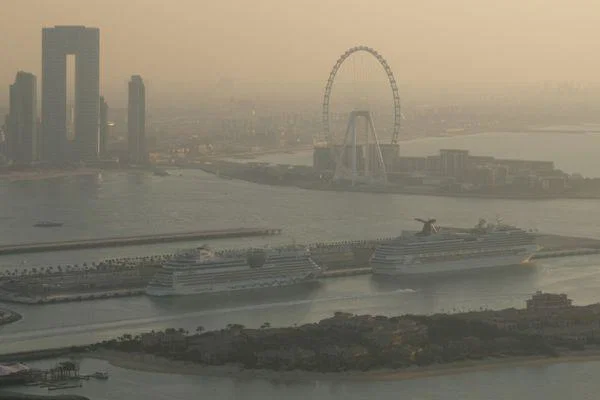
Ocean-going cruise ships were often seen docked in Dubai in recent years (Credit: iStock/ Alexsi)
Royal Caribbean has maintained a sporadic yet significant presence in the region since first deploying a ship in Dubai in 2010.
In response to naval and cargo ships being detained, Royal told local media: “At the present time, RCL Global Security does not assess the recent maritime-related incidents in the Arabian Gulf as indicative of threats to the cruise industry.”
However, this stance soon shifted. In 2023, Quantum Ultra Class ship Odyssey of the Seas was scheduled to make a historic homeport debut in Israel's Haifa, marking a major investment in the region.
Sign up to TTG Cruise news
Get the key cruise trade stories, trends and interviews delivered straight to your inbox every Tuesday.
Yet, more security issues forced the line to rip up that deployment plan and the ship was eventually redeployed to the US.
Rhapsody of the Seas replaced Odyssey, but its 2023 season was pulled halfway through due to more conflict. Royal has not deployed a ship in the Middle East since.
'Exciting' Middle East deployment
Greek Islands specialist, Celestyal, turned plenty of industry heads when it announced in early 2024 it would start offering cruises from Doha.
According to respected cruise blog Shipmonk, chief commercial officer Lee Haslett commented: “We believe we can do the Middle East very differently from our rivals. We will have a flavour of Greek hospitality in UAE style.”
Celesytal was one of the four lines to have ships homeporting in the Middle East when the US and Israel launched their attack on Iran on 28 February.
Five weeks on from those missiles being fired, four cruise lines – Explora Journeys, sister line MSC Cruises, Costa Cruises and Aida Cruises – have all scrapped their upcoming winter programmes.
In 2024, Celestyal’s chief executive Chris Theophilides spoke of his “excitement” about adding capacity to the Middle East ports.
However, now any hope and enthusiasm for Middle East cruising is quickly evaporating. Not just for Celestyal, but for other ocean lines, too.
P&O Cruises, Celebrity Cruises, Royal Caribbean and MSC Cruises all declined to comment when approached by TTG for comment for this article. Celestyal chose not to add anything to what it had already said.
No one, it seems, wants to say when Middle East cruise capacity will ramp up to pre-pandemic levels while missiles are still raining down. Who can blame them?