







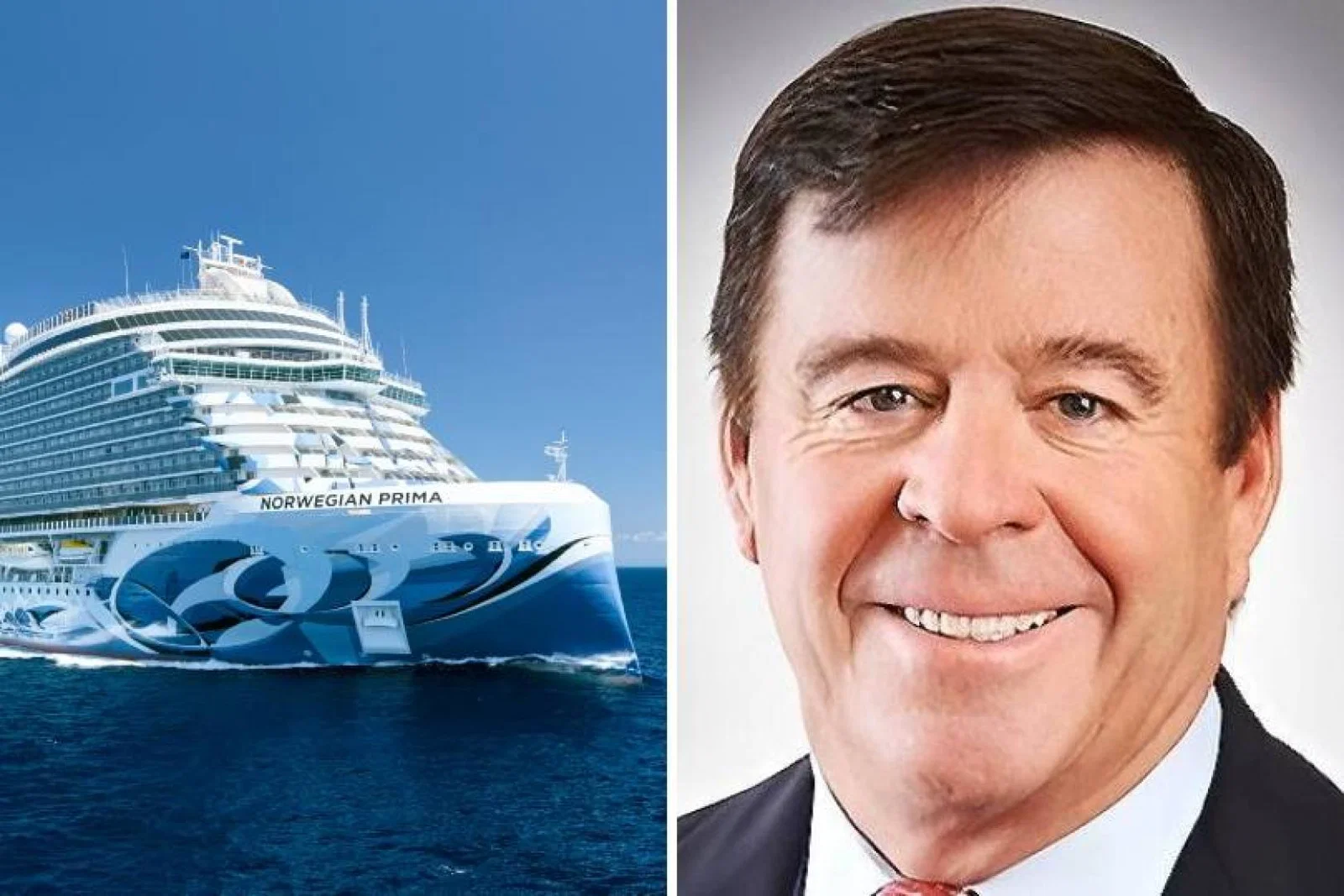
NCLH said its first-quarter financial results on Monday (4 May) was the first opportunity it had ahead of the European summer season to "assess what's going on", with the Iran conflict now entering its tenth week.
As a result of worsening demand, the cruise giant has adjusted its projected pre-tax earnings (ebitda) to between $2.48 billion and $2.64 billion, down from $2.95 billion.
"The company remains below its optimal booking range following certain execution missteps, exacerbated by softer demand related to heightened geopolitical uncertainty," NCLH added. "Recent events related to the conflict in the Middle East have impacted bookings across all three brands, especially in Europe during the summer season.
"While the near-term environment remains challenging, the company is taking targeted actions to better align commercial strategy, including marketing, with deployment and revenue management, with the benefits of these actions expected to materialise gradually over time."
John Chidsey, NCLH president and chief executive, who took over in February just a fortnight before the Iran war began, said: "The operating environment has become more challenging since our last call, and that is clearly weighing on the business."
However, he stressed "many" issues NCLH's senior leadership team are currently addressing are "internal, operational and fixable". "This is a company with strong brands, attractive assets and a product that continues to resonate with guests," Chidsey added.
"We entered the year behind our ideal booking curve in certain areas and recent geopolitical developments have added pressure to an already challenged backdrop, particularly in our European market this summer and demand for close-in bookings."
Chidsey noted how NCLH's brands – Regent Seven Seas Cruises, Oceania Cruises and Norwegian Cruise Line – were arguably more impacted by the Iran war than other rival cruise companies given how reliant it is on sourcing from the US for its European itineraries.
Around 26% of NCLH's capacity for the second quarter is based in Europe. Mark Kempa, NCLH executive vice-president and chief financial officer, revealed the company expects net yields for the full year to drop to between 3-5%.
"We currently expect the third quarter to be significantly weaker than the second quarter, reflecting our greater exposure to Europe, which represents approximately 38% of our deployment in the quarter," he explained.