

It’s an interesting time to meet with the head of the Spanish Tourist Office. It’s the end of April, Greece has just announced the suspension of the EU Entry-Exit System (EES) for the summer period following weeks of delays and disruption and all eyes are on whether other European destinations will follow suit.
But Manuel Butler, who is coming to the end of his tenure as director of the Spanish Tourist Office in London and is a vastly experienced pair of hands, is adamant. “Our stance is to accomplish what was agreed for the Spanish borders as part of the Schengen Area,” he insists with a smile. “And I think we are well prepared.”
“We have been investing and we’ve recruited extra staff. And we have this time now before the summer peak, to solve the problems that can arise when you implement new technology.”
Butler is reluctant to comment about Greece’s decision to suspend EES. Instead, he wants to focus on Spain, which during his tenure, has seen record-breaking growth in visitors.
Navigating the fuel crisis
Of course, in his time, Butler has also had to steer the destination through the choppy waters of the pandemic and anti-tourism protests. And there’s no let-up as his final summer season approaches, with the fuel crisis triggered by the Middle East conflict dominating headlines and causing uncertainty in the market.
“This is not a win-win situation, it’s an insanity, and we have to hope it will be resolved before the summer,” he chastises, his gentle demeanour revealing a fiery edge.
He makes reference to the European Commission’s recent comments that there is no immediate shortage of fuel but they maintain a high-level of preparedness to coordinate a response should the crisis escalate. “We have to trust that,” he says.
Why holidays are a ‘human right’
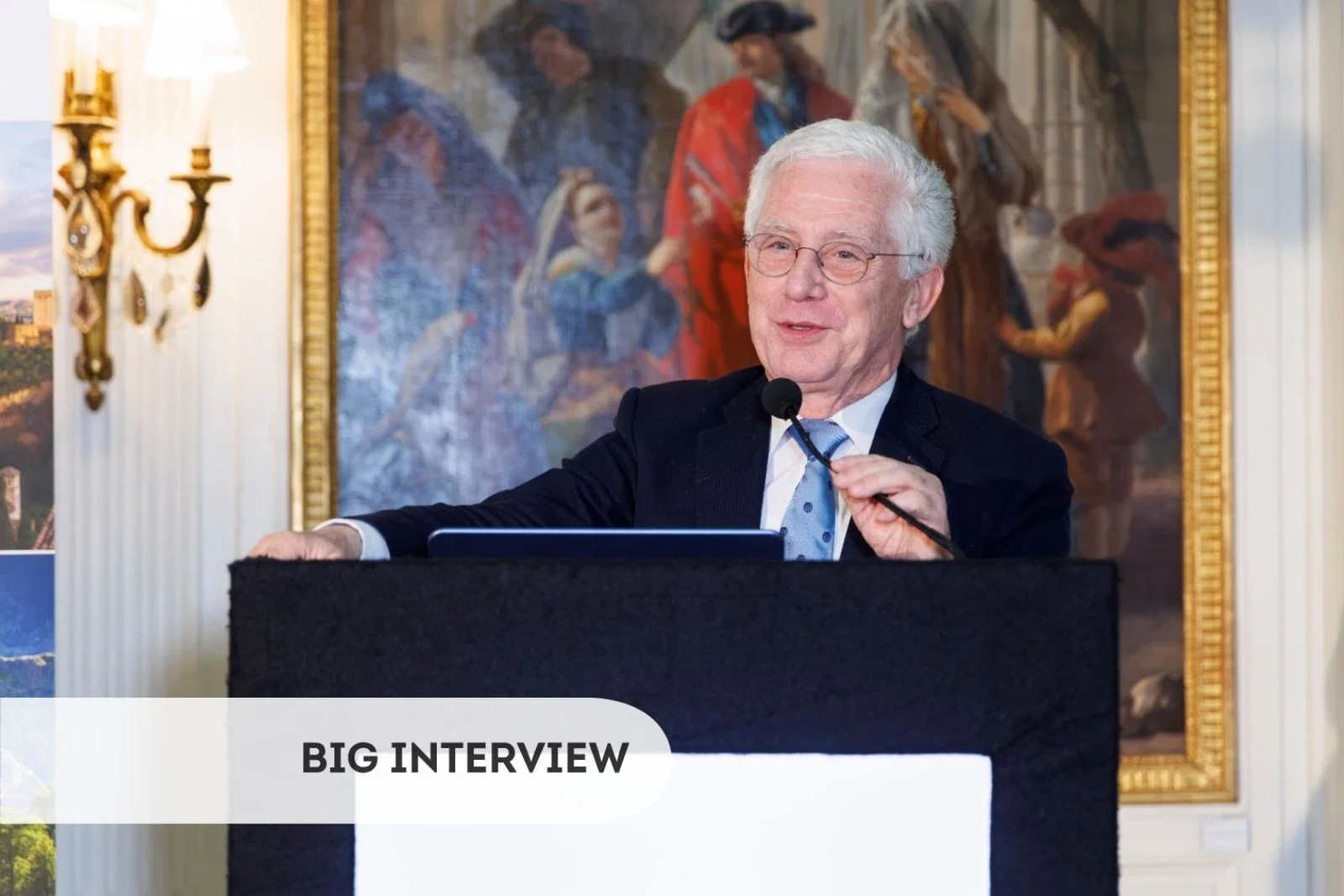
We are sitting down to chat in advance of Spain Talks, taking place at the Spanish Embassy in London, an event which is Butler’s baby. He first launched the sustainability-focused half-day conference in 2023, and it’s been so impactful that the Spanish Tourist Office has rolled it out in other key markets.
The day’s agenda has presented the arguments for and against tourism taxes, discussed how AI and Big Data are moving the dial on sustainable tourism, and showcased some of the ways Spain is designing a destination blueprint for sustainable tourism.
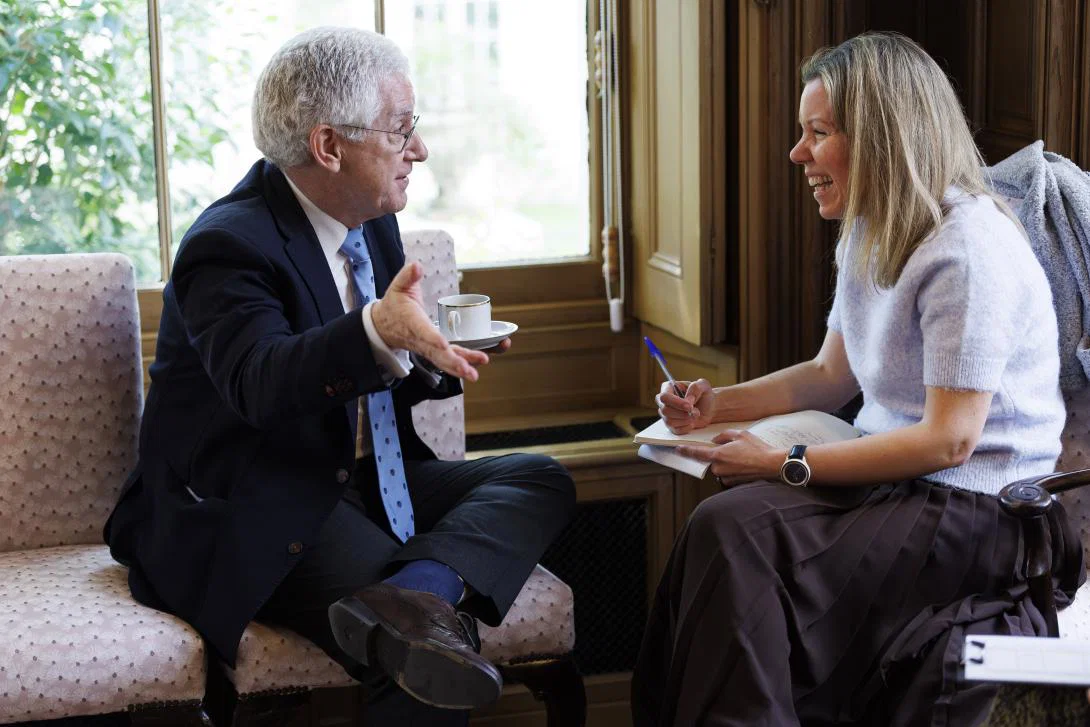
Manuel Butler chats with TTG Media's Katherine Masters
Butler sees collaboration between Spain and the UK as vital, because the pressure is on for the leading tourism destination and its top source market to reinvent tourism: “We think it’s a human right to take a holiday, and we have to think in a different way to welcome British tourists with open arms. But it will require a big effort and collaboration – like we’ve been doing since the birth of the package holiday to Spain in the 1950s,” he explained.
While international headwinds could still make or break Spain’s summer, its focus on sustainability is more necessary than ever, with a 1-2% increase in airlift between Spain and the UK this year to bolster last year’s record British arrivals of 19.1 million.
A different side of Spain
Even though the visitor figures are higher than ever, Butler can claim a number of successes, from an increase in shoulder season travel that is flattening the peaks to rising demand for the north of Spain.
This is where Brits are waking up to the appeal of ‘green Spain’, the lush mountainous northern coast, that includes the regions of Galicia, Asturias, Cantabria and Basque Country.
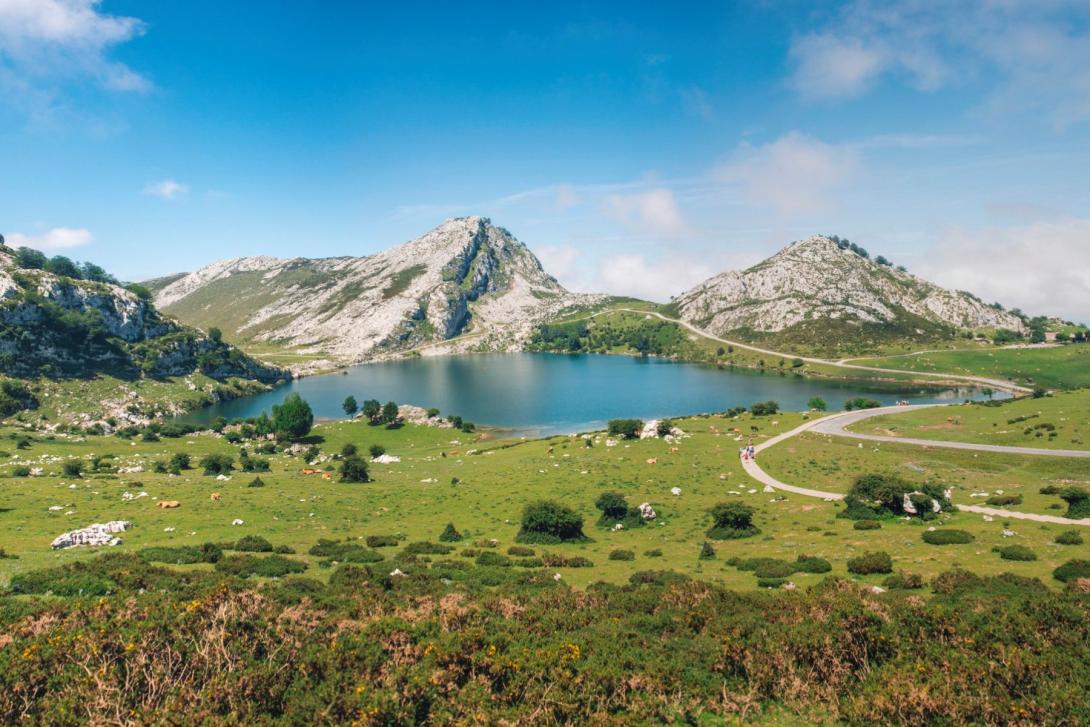
Butler believes Brits are slowly discovering so-called 'Green Spain' (Credit: iStock / Mario Guti)
“The growth of the shoulder season is a trend. It’s not suddenly happened. There are economic, climate and product reasons for people to choose the shoulder seasons.”
It is one of Butler’s proudest achievements, that he has put sustainability top of the agenda for Spain, not only in the UK but in other source markets too. “Tourism is not solely an economic phenomenon, tourism is about people, and that makes it personal,” he says.
People first
This people-centred focus is also evident in Spain for All, another Butler-led initiative that has seen the tourist office build a roadmap for better inclusivity from social and accessible standpoints.
Later during Spain Talks, the TV presenter and disability advocate Ade Adepitan concludes the programme with an entertaining account of his own experiences in Spain and a passionate plea to make travel possible for everyone.
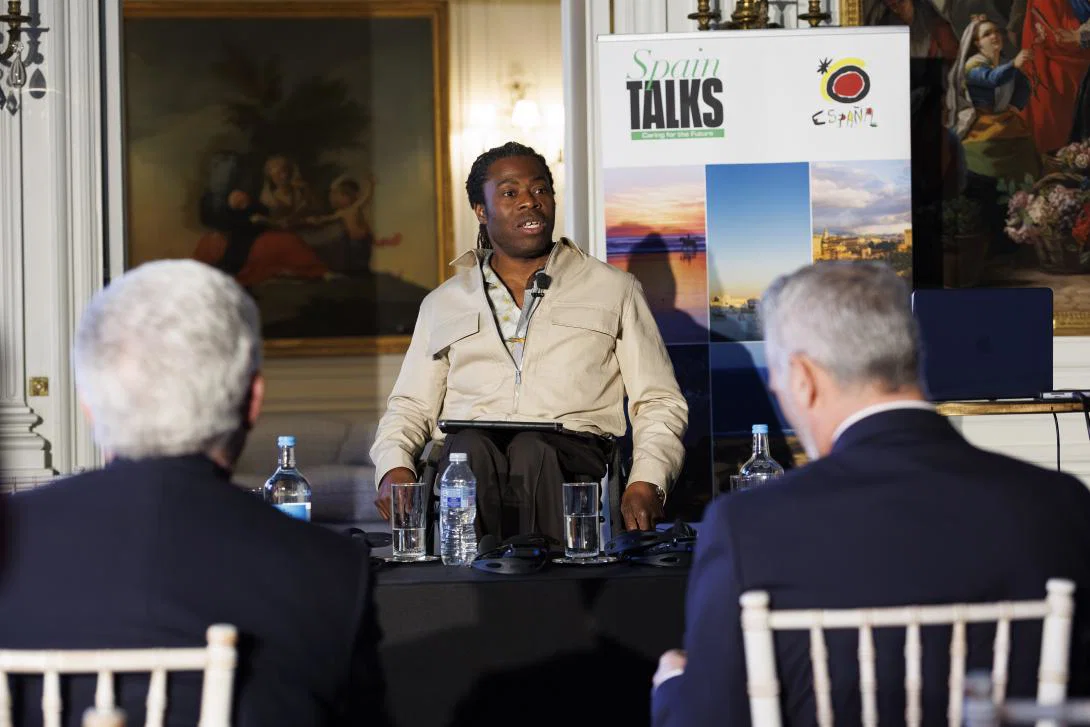
Ade Adepitan, ambassador for Spain for All, addresses the audience at Spain Talks
“For me, it’s very rewarding that I am helping people at the same time as doing my job promoting Spain,” says Butler.
Although he assures me retirement is not on the horizon and Butler promises to stay close to the travel industry with his next position, it’s still tempting to ponder his legacy for Spanish tourism in the UK.
A lasting legacy – and avoiding the ‘McDonalds’ of tourism
For travel agents selling Spain, he has one simple plea – steer clear of fast tourism, the industry’s equivalent of fast food or fast fashion.
“Stay longer, meet people, discover more. This fast, instant-gratification culture, it’s not good for society,” he says. “And that’s a big role for the travel advisor, to stop dispatching people on holidays, but to educate clients on how to travel well.”
So, no more thinking of Spain like a McDonald’s hit for your clients. Strive to make it a home-cooked, authentic meal of a holiday. That’s the legacy Butler wants to leave.