



In 26 years of travel, I had never been to India. I could advise on it. I could sell the Golden Triangle with reasonable confidence. But I had never stood in it, felt the pace of it, or understood what it actually is to a traveller who goes looking for more than the obvious.
That changed in April. I travelled with Vivek Angra and the team at Trail Blazer Tours India across 11 nights: Delhi, Jaipur, Chambal, Agra and Lucknow, finishing with two days at the Tres luxury travel conference in New Delhi. It was a fam trip built for agents who want to sell India properly. I came back a different adviser.
Here is what I learned.
Going as a first-timer is an advantage
I had no prior experience to override. Every sight, every property, every conversation landed without comparison. If you have never been, do not wait until you have more knowledge. Go, and let the country teach you. The agents selling India most confidently are not necessarily the ones who have been most often. They are the ones who paid proper attention when they went.
The Taj Mahal has a right moment
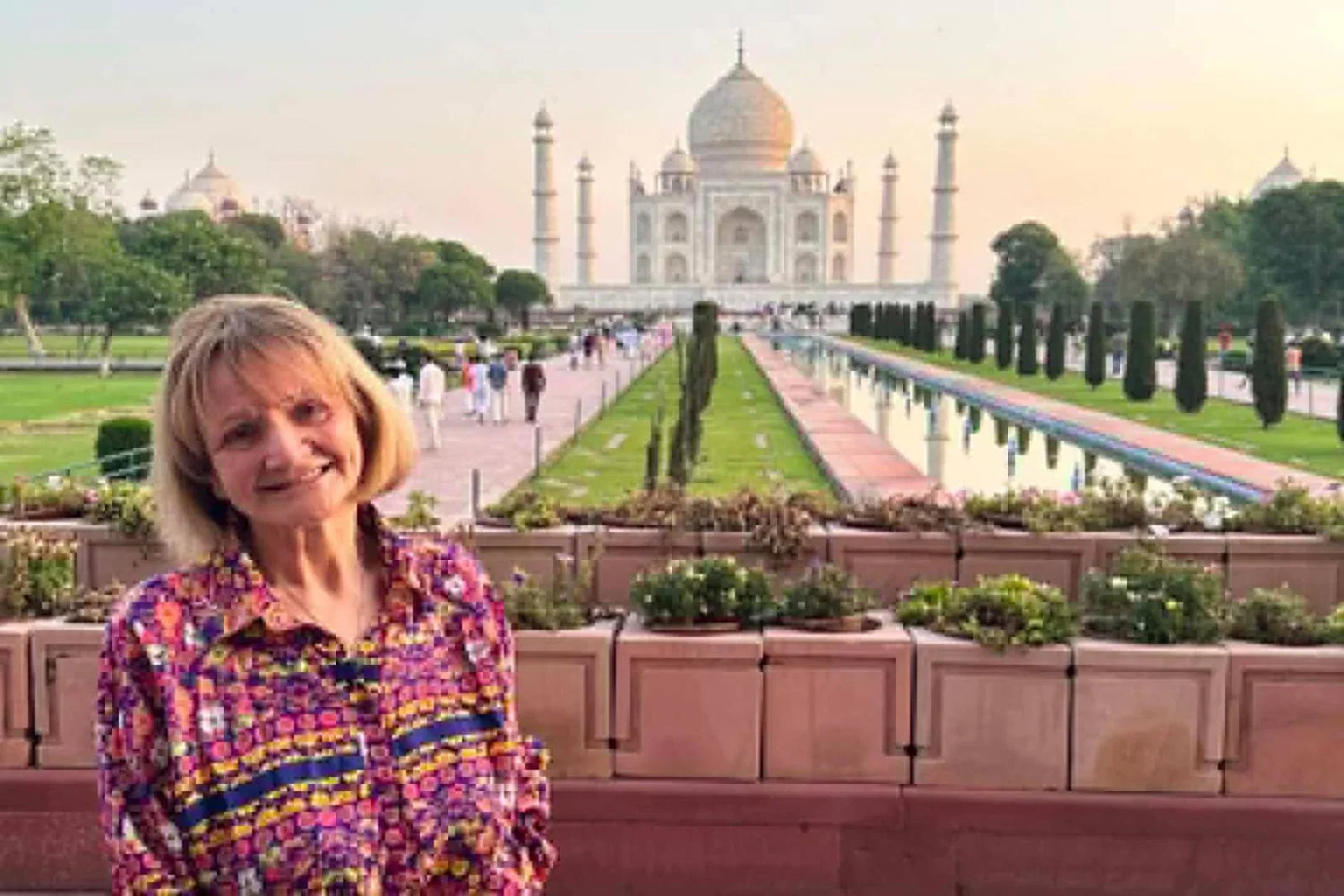
We visited at first light. Early morning, before the tour groups arrive in numbers, before the heat builds. The Taj in those conditions is something else entirely. It is quieter, cooler, and the marble shifts in colour as the light changes. Two hours is not enough if you want to understand it.
The context matters too. The city of Agra, where the Taj Mahal is situated, is not a one-night stop. Agents who treat it as one are underselling it significantly. Your clients should also be seeing Agra Fort, a Unesco World Heritage site 2.5km from the Taj; Itmad-ud-Daulah, sometimes called the Baby Taj and an architectural prototype for the Taj itself; and the lanes of Taj Ganj on the Beyond the Taj Sunset Tour, which reveals street life, hidden monuments and views of the Taj from angles most visitors never find. Factor these in and Agra needs a full day and a half, at least.
The character hotels are not where you expect them
India has its famous names. What surprised me was the depth of what sits alongside them. The Imperial in Delhi carries genuine colonial history and does it without apology. Samode Haveli in Jaipur is a family property in the heart of the old city where the hospitality feels personal rather than processed.
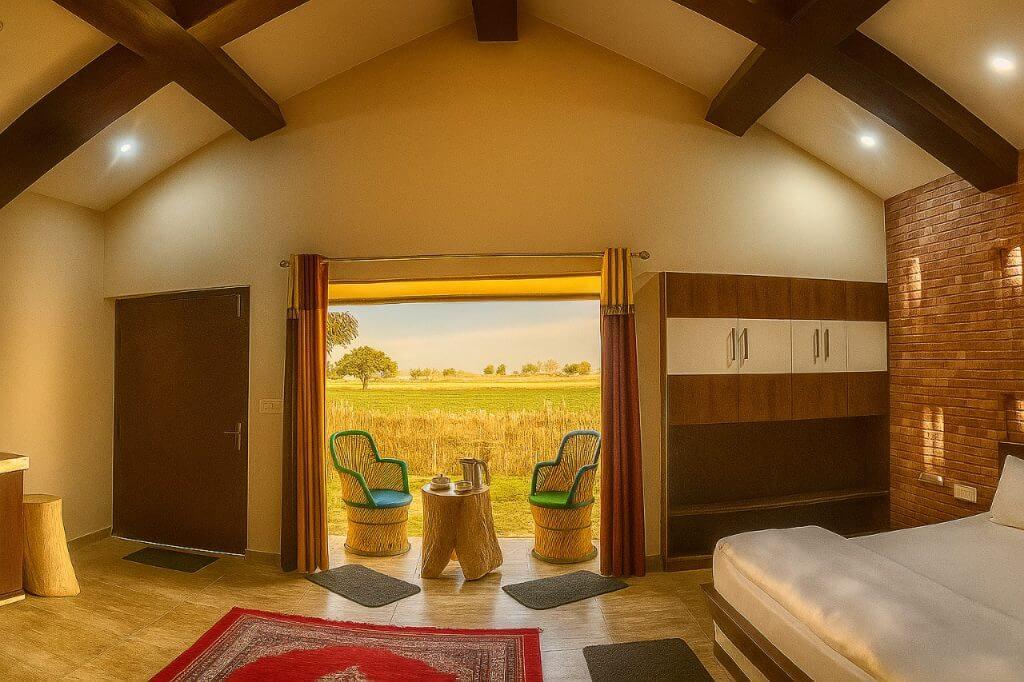
Chambal Safari Lodge can reorient a whole itinerary, says Lizzie
Chambal Safari Lodge is a complete change of register: a lodge in a wildlife sanctuary that is one of the last strongholds of the gharial, a critically endangered fish-eating crocodile found almost nowhere else on earth. The river also has other critically endangered species – the Gangetic river dolphin and the red-crowned roof turtle. A boat safari at dawn put me alongside all of them on the sandbanks and in the water, and it’s unlike any other wildlife experience in India. Ekaa Villa in Agra is small, considered, and placed close enough to the Taj to make the early morning visit effortless. Saraca in Lucknow is a boutique property in a city most agents never include at all, because it sits off the Golden Triangle axis, but it amply rewards the diversion with its architecture and cuisine.
None of these are difficult to find. Most agents are not looking for them.
History is the point, not the backdrop
We go to Egypt for the pyramids. We go to Greece for the classical world. India sits alongside both with a civilisation that reaches further back than most of us were taught. Indian history does not sit behind glass – you stand inside it. The stepwell at Abhaneri, built to solve a water management problem in the 9th century with an elegance that modern engineering has not improved upon. The astronomical instruments at Jantar Mantar in Jaipur, constructed in the early 18th century and accurate to fractions of a degree.
The Lucknow Residency, where 3,000 British inhabitants held out during the 1857 uprising, still in ruins, still carrying the weight of what happened there. The Bada Imambara: one of the world's largest arched halls, built without supporting beams.
Clients who think they know Indian history are usually working from a fraction of it.
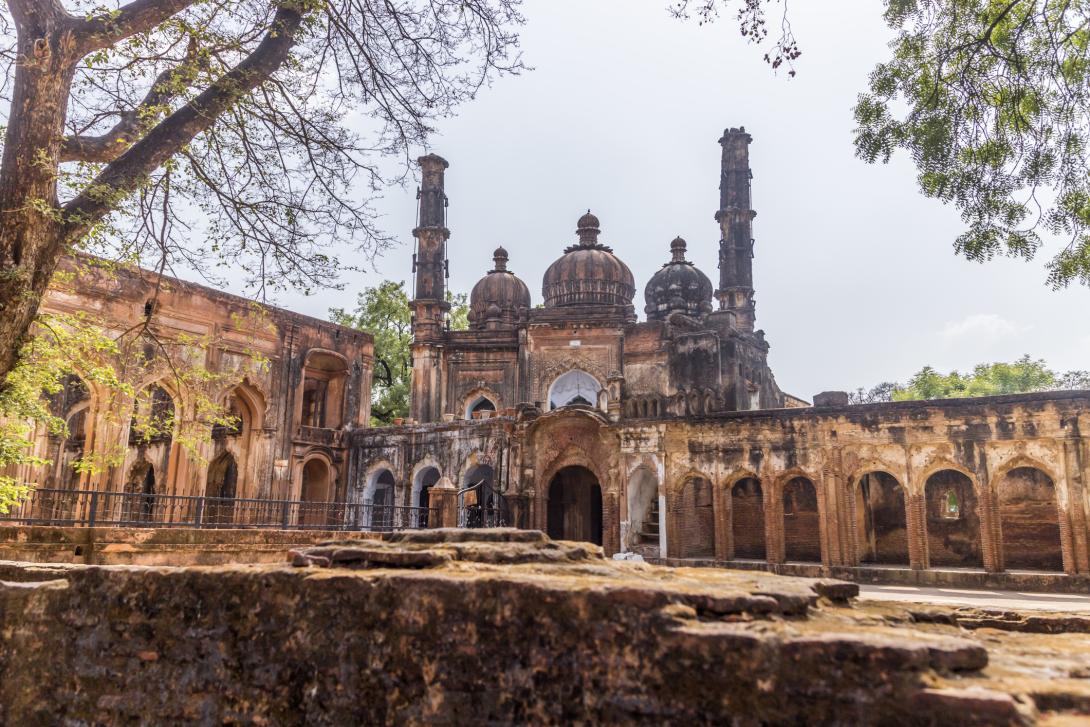
The British Residency in Lucknow was a centre of fighting during the 1857 Rebellion © iStock RahulDsilva
Entrepreneurship is woven into the fabric
The Salaam Baalak Trust in Old Delhi runs heritage walks led by former street children who have gone on to build independent lives. Pink City Rickshaws in Jaipur puts women from low-income households behind the wheel of eco-rickshaws running curated city tours. These are not charity projects performing themselves for tourists. They are working businesses built on intelligence, resilience, and a clear read of what a visitor actually wants. The entrepreneurial energy I encountered across this trip was not naive optimism. It was backed by momentum.
Wellness is not a trend here
India has been practising what the rest of the world is now marketing as wellness for thousands of years. En route to Lucknow, we visited Kannauj, a town producing natural fragrance for over 600 years using methods unchanged by modernity. The essential oils made there are something no laboratory has yet improved upon. Ayurveda predates Western medicine by millennia. For clients whose travel is shaped by genuine interest in longevity, metabolic health, and the relationship between environment and physical state, India is not a cultural destination with a wellness add-on. It is a living curriculum.
The moment I keep returning to
At the Gurudwara Bangla Sahib in Delhi, we were taken behind the scenes of a community kitchen that feeds thousands of people every single day, free, unconditionally, to anyone who arrives regardless of faith or circumstance. The scale is extraordinary, but it was the people working there who really left their mark on me. They were not performing an act of generosity. They were glad to be allowed to give. I have not encountered anything quite like it in 26 years of travel.
What agents need to understand
Most clients who think they have done India have seen a fraction of it. The Golden Triangle is an introduction, not a conclusion. The agents who will sell India well over the next decade are the ones who invest properly in understanding what sits beyond it: Chambal, Lucknow, Kannauj, the character properties, the histories that do not appear in standard itineraries.
Vivek and the TBI team built a trip that showed me what proper destination knowledge looks like. Every agent selling India owes it to their clients to go and find out what they do not yet know.
I thought I knew India.
I did not know India. Not until now.